On this page
*The Stage Is Yours* is Chapter 2 of *Madhurima*, the new NCERT arts textbook for Grade 9 (First Edition, April 2026). It opens the theatre section, and the book's prelims say Chapter 1 and the first chapter of each art-form section are compulsory for students at Learning Standards 1 and 2.
What is The Stage Is Yours about?
The chapter does two jobs. First, it revises the theatre skills from earlier grades with the help of the Vidūṣhaka, the witty companion of classical Indian theatre. Then you form a team and build a short play about something that matters to people near you.
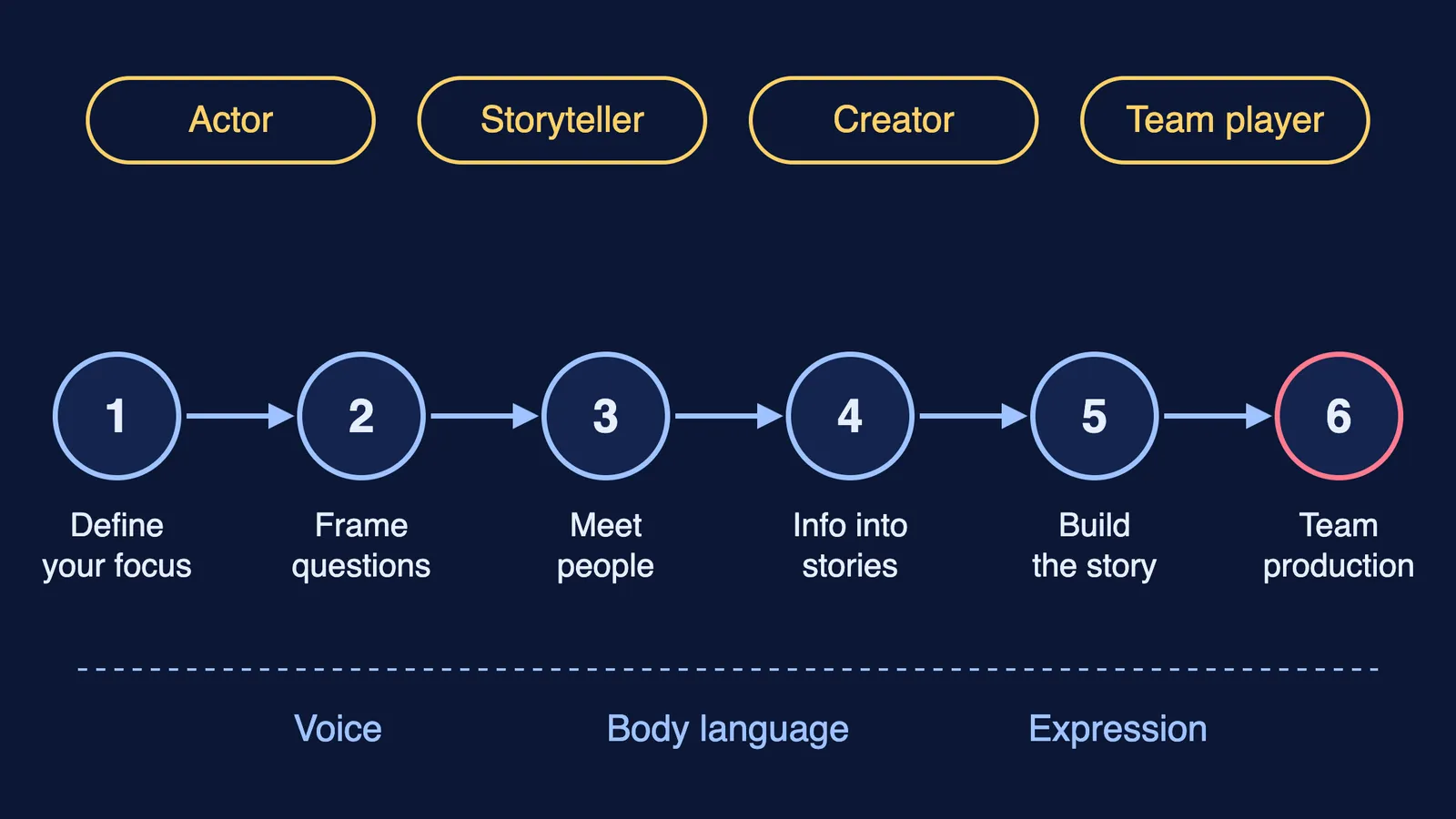
It names four roles a theatre artist can take: actor, storyteller, creator and team player. It also recalls the navarasa, the nine emotions: hāsya, karuṇa, vīra, raudra, śhṛiṅgāra, adbhuta, bhayānaka, śhānta and bībhatsa. (Chapter 1 notes the Nāṭyaśhāstra bases eight rasas on eight bhāvas.)
How do voice, body language and expression work on stage?
Body language is your posture, movement and gestures; it tells the audience who you are before you say a word. Expression and voice cover tone, volume and your face, which carry the emotion behind a line. Improvisation is adapting on the spot without dropping your character. Story building means every scene, however short, has a beginning, a middle and an end.
Try this exercise of ours. Take one line, "The last bus has gone," and play it in three rasas:
Hāsya (humour): a bright voice, a shrug, a grin.
Karuṇa (compassion): a soft, slow voice, shoulders dropping, eyes down.
Bhayānaka (fearful): a quick whisper, a glance behind you, arms held tight.
Same words; voice, body and face change the meaning.
How do you form a theatre team, name and logo?
With your teacher's help, form teams of six to eight; the teacher may adjust the size. Your team picks a name that reflects what members share, whether that is humour, calm or boldness. The logo works like a costume, the book says: it tells the audience something at a glance, so keep it simple and pick colours that carry your idea.
A genre is a category of theatre by form and style; the chapter lists tragedy, comedy, fantasy and musical theatre, and lets you mix them. Two forms you can borrow:
Puppetry: India has string, shadow, stick or rod, and glove puppets, among others. Activity 2.2: a recycled-material puppet and a two-minute show.
Mime: a story told only through movement, gesture and expression, with no speech.
What are the six steps of purposeful theatre?
The big idea: decide who the play is for before choosing the plot. The six steps, shown in the diagram above:
Define your focus: pick one social theme close to your life.
Frame questions: mix open-ended questions (people answer in their own words) with close-ended ones (yes/no or fixed choices that are easy to count).
Meet people: use questionnaires for larger groups, interviews for depth, and observation of daily life. Note how people speak and gesture in your journal.
Turn information into stories: note the emotions and surprises.
Build the story: choose three key moments, create a situation for each, use improvisation to grow characters and the script, and decide genre, props and backstage roles.
Team production: with characters and a basic script ready, prepare and perform.
Our example, for a team studying a local park: "What do you remember most about this park?" (open) and "Do you visit it every week? Yes/No" (close-ended).
How is Art Education assessed in Class 9 for 2026-27?
The CBSE 2026-27 Art Education curriculum makes the subject a fully school-based assessment out of 100: theory 40 marks and practical 60 marks. In the theory paper, Theatre carries 4 marks, and that figure covers all the theatre chapters together, not this one alone. History of Arts carries 20 marks.
The theatre practical is marked out of 60, with 10 minutes per student. Technique (voice, body language, expression) carries 10 marks, concept/idea/story 5, confidence and creativity 5, application of concepts from the book 10, and viva 10. School events, the project report and formative assessment add 5, 5 and 10. The final practical score averages all four art sections.
What questions can you practise?
Our own questions; mark values are our suggestion.
Explain, with one example, how the same line can carry two different rasas. (2 marks)
Your team's play is about water shortage in a housing society. Choose a genre and either puppetry or mime, and justify both. (3 marks)
When would you use an interview rather than a questionnaire? Give one reason for each. (2 marks)
A classmate says a team logo is just decoration. Reply using the chapter's costume comparison. (2 marks)
Outline three key moments for a short scene about a first day at a new school. (3 marks)
Not sure where to start revising? Fermi's AI tutor works out what you already know and builds a plan for the session.
Related reading: our Class 9 Kaveri guide to Follow That Dream and team cohesion in Class 11 psychology and sports.