On this page
Chapter 4 of the NCERT Class 11 textbook Introducing Sociology, Culture and Socialisation, treats culture as something you live every day. The CBSE 2026-27 Sociology curriculum gives this unit 12 of the 80 theory marks and lists four topics: defining culture, dimensions of culture, socialisation, and agencies of socialisation.
What does culture mean in Class 11 sociology?
In daily talk, "cultured" means refined taste. In the NCERT chapter, culture is a shared way of life in which every member of a society takes part, learnt through interaction and always changing.
Know the thinkers the chapter names:
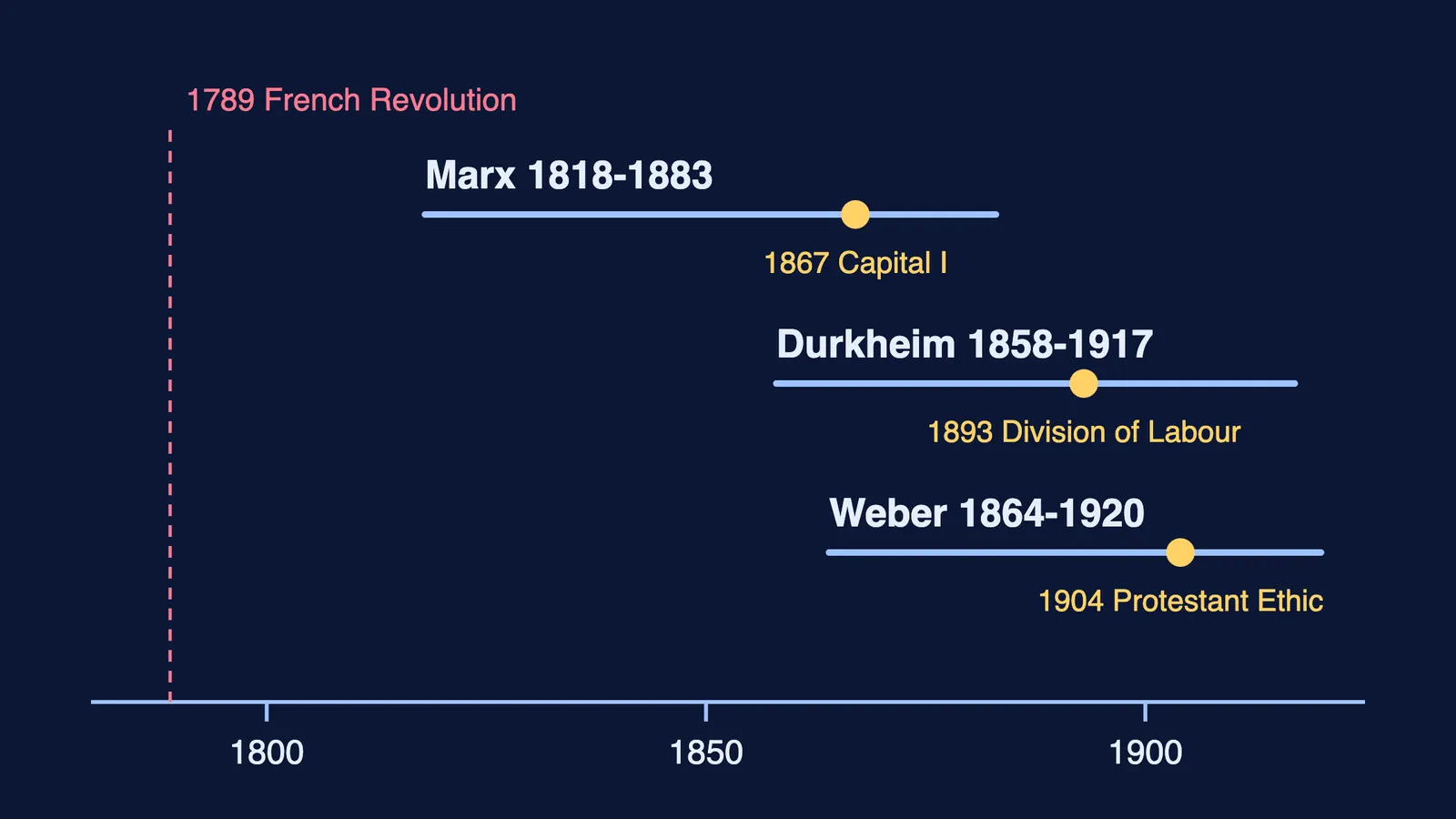
Edward Tylor (1871): a complex whole of knowledge, belief, art, morals, law and custom.
Bronislaw Malinowski: adds inherited artifacts and goods.
Clifford Geertz (1973): reads human action for meaning, not causes.
Kroeber and Kluckhohn (1952): surveyed the many definitions.
On 26 December 2004, island communities such as the Onges and Jarawas used experiential knowledge to move to higher ground. NCERT's point: cultures cannot be ranked, only judged by how well they cope with the strains nature imposes.
What are the three dimensions of culture?
Here are the three through Aanya, a Class 11 student in Pune.
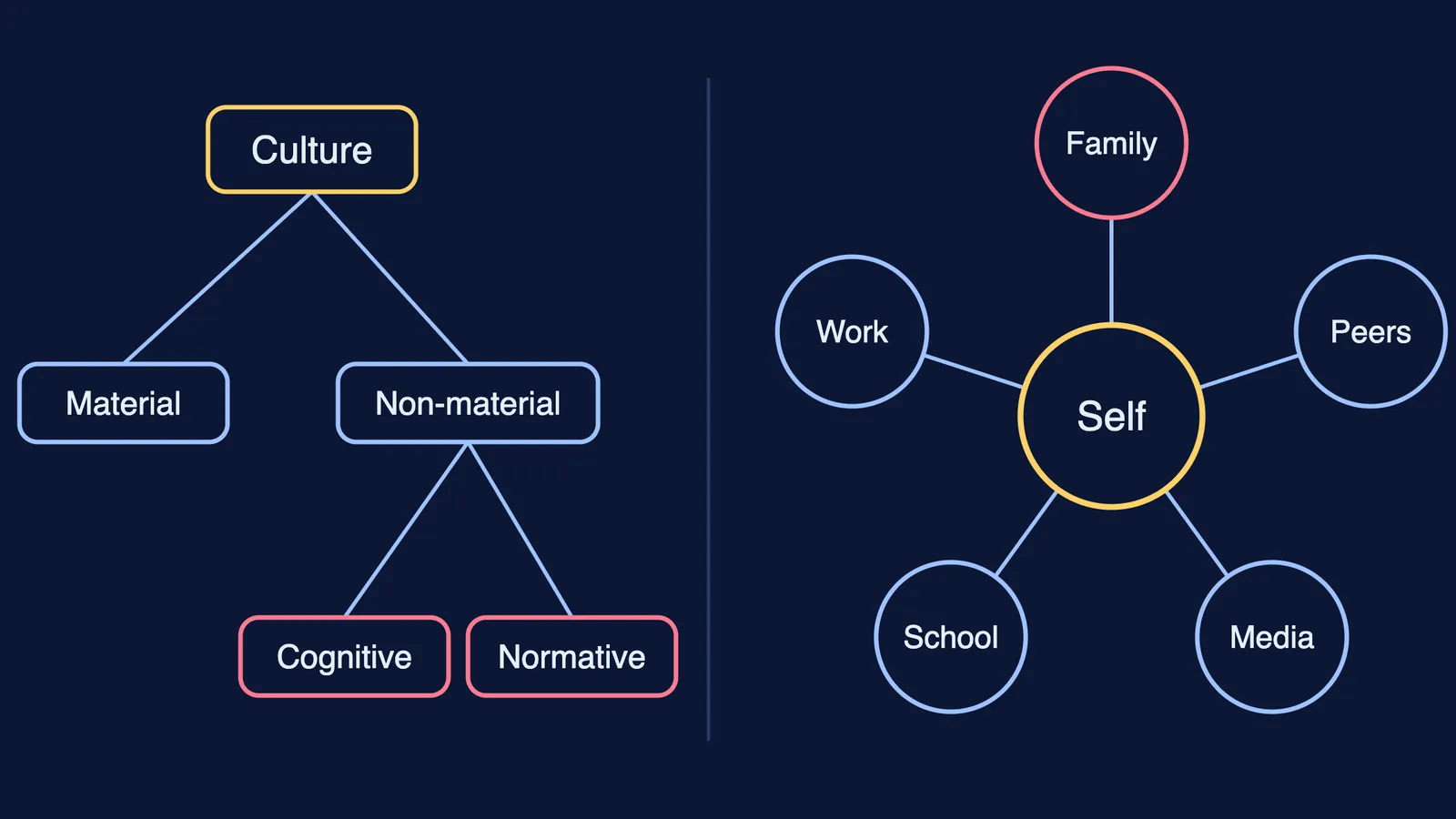
Cognitive: how you make sense of what you see and hear. Aanya knows that three short bells mean a fire drill.
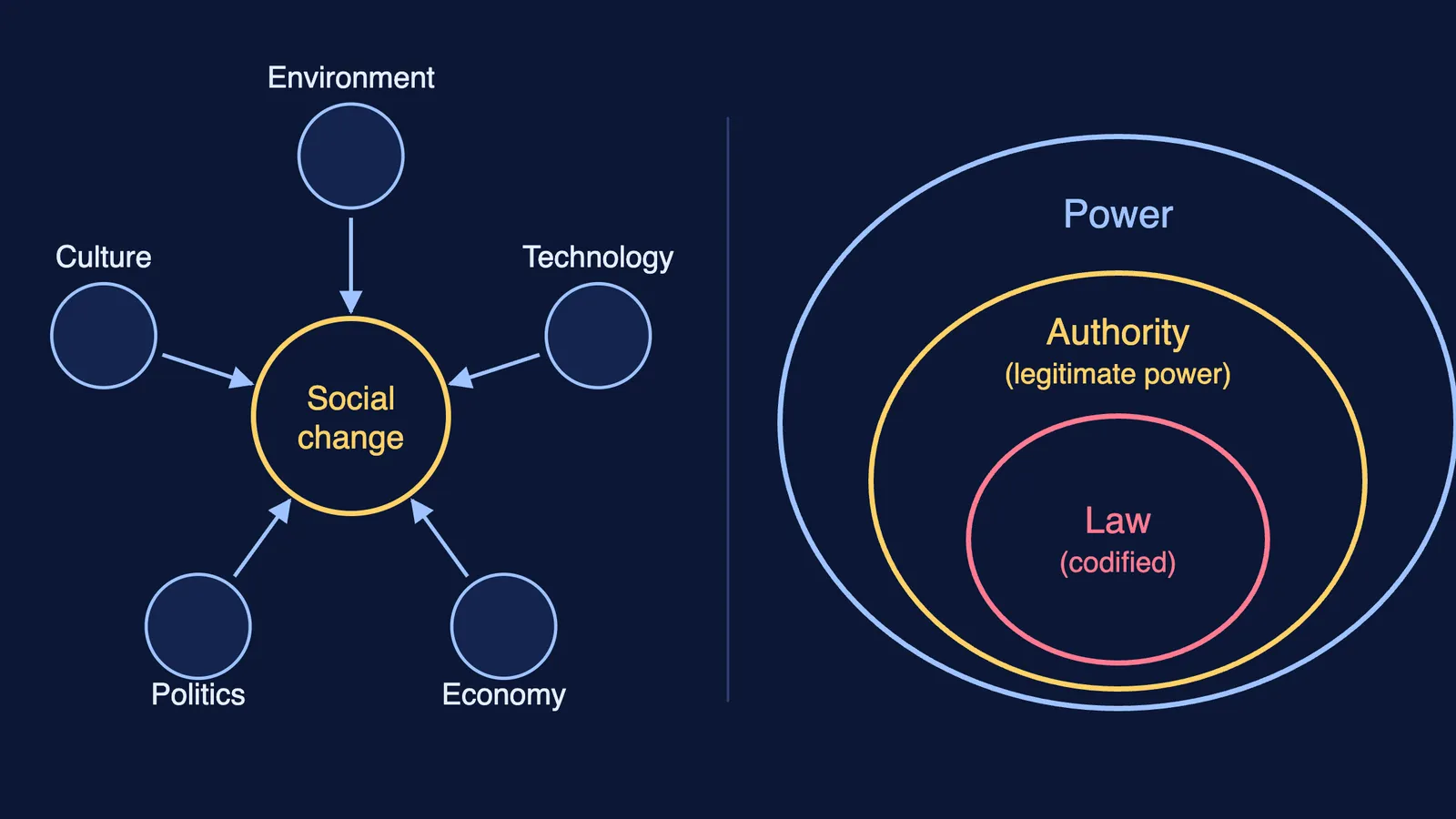
Normative: rules of conduct, made of folkways, mores, customs, conventions and laws. Her family's rule that she is home by 7 pm is a norm. Stealing a classmate's cycle breaks a law; laws come from the State, apply to everyone and carry penalties.
Material: tools, machines, buildings and transport, such as her metro card and calculator.
Cognitive and normative together make up the non-material side. When technology moves faster than values and norms, the chapter calls the gap culture lag. A fresh example: a family group chat appears overnight, but the shared sense of when it is rude to message elders takes years to settle.
NCERT also notes that dominant groups have imposed discriminating norms, such as barring dalits from shared water sources.
What is ethnocentrism, and what is its opposite?
Ethnocentrism means judging other people's beliefs and behaviour by your own culture's values, treating yours as the standard. It arises only when cultures meet. NCERT's illustration is Thomas Babington Macaulay's 1835 Minute on Education, which aimed to create a class of Indians who would be English in taste and outlook (NCERT).
The opposite is cosmopolitanism: valuing other cultures for being different and borrowing from them without losing your own character. The chapter's examples are English absorbing foreign words and Hindi film music drawing on Western pop, bhangra and ghazal.
Cultural change can be internal or external, evolutionary or revolutionary; the French Revolution of 1789 is NCERT's revolutionary case.
What are the agencies of socialisation?
Socialisation is how a helpless infant becomes a self-aware person skilled in the ways of their culture. Primary socialisation happens in the family; secondary socialisation runs through school and other institutions for the rest of life. The chapter cites the "wolf-children of Midnapore", two girls reportedly discovered in 1920 inside a wolf den in Bengal, to show what is missing without it (NCERT).
Aanya's week shows each agency:
Family (Monday): her grandmother expects her to greet guests a certain way.
Peer group (Tuesday): friends of the same age argue as equals, so she tests rules she would never question at home.
School (Wednesday): the formal timetable, plus a hidden curriculum, like NCERT's example of schools where girls, rarely boys, sweep the classroom.
Mass media (Thursday): NCERT reports a British study finding that children's television time equals almost a hundred school days a year.
Work (Saturday): helping at her uncle's shop teaches her how adults treat customers.
Agencies can clash, yet NCERT argues socialisation also builds the capacity for independent thought. The chapter also shows that it is gendered, citing Krishna Kumar's 1986 account of boys using the street freely while girls hurried home in groups.
For the basics, read our guide to sociology and society in Class 11. For family and education as institutions, see understanding social institutions.
Practice questions to try
The curriculum weights the theory paper at 37.5% for "Knowledge & Understanding", 40% for "Application of Knowledge and Concepts" and 22.5% for "Formulate, Analyse, Evaluate & Create" (CBSE). Application is the largest share, so these questions lean on it.
Distinguish a norm from a law, using one example of each from your school.
A village gets mobile internet before its elders agree on how young people should use it. Which concept explains the tension? Explain.
Classify these as cognitive, normative or material: a bus pass, recognising your friend's handwriting, standing up when the principal enters.
A tourist calls a local festival "noisy and pointless". Is this ethnocentric? What would a cosmopolitan response look like?
Using one week of your own life, show how two agencies of socialisation pulled you in different directions.
Fermi's AI tutor can work out what you already know and build a plan for the session, so you sit down to a clear next step.