On this page
The mammal section of NCERT's Class 11 chapter Animal Kingdom (section 4.2.11.7) ends with a list of 14 examples, and those exact names turn up in match-the-list questions. The NCERT Animal Kingdom chapter splits them into one oviparous example, Ornithorhynchus (Platypus), and 13 viviparous ones. Figure 4.24 in the same chapter shows only four of them: Ornithorhynchus, Macropus, Pteropus and Balaenoptera.
This post gives you each genus with its common name, sorts the unusual ones into four groups you can picture, and ends with a drill.
What are Pteropus, Macropus, Balaenoptera and Delphinus called?
These are the pairings the NCERT chapter prints, reordered so the five unusual genera come first:
Ornithorhynchus: Platypus
Macropus: Kangaroo
Pteropus: Flying fox
Delphinus: Common dolphin
Balaenoptera: Blue whale
Camelus: Camel
Macaca: Monkey
Rattus: Rat
Canis: Dog
Felis: Cat
Elephas: Elephant
Equus: Horse
Panthera tigris: Tiger
Panthera leo: Lion
The last nine are land mammals you already know. The first five are the ones examiners like, because each one breaks a rule you might assume about mammals.
How do you sort NCERT mammals into flying, aquatic, egg-laying and pouched?
Group the five unusual genera by how they live. Once you can see the animal, the name is much easier to hold on to.
Flying: Pteropus
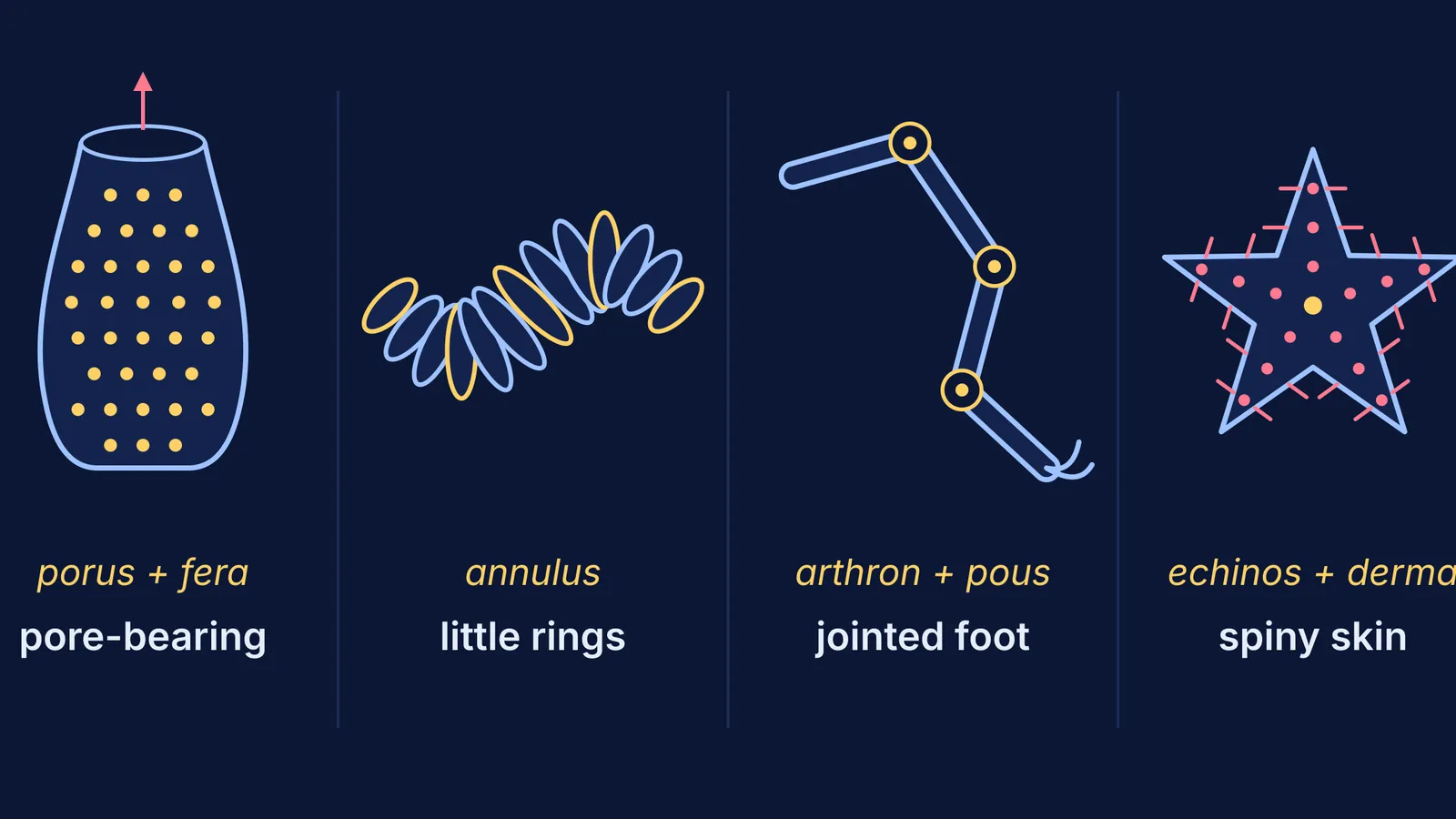
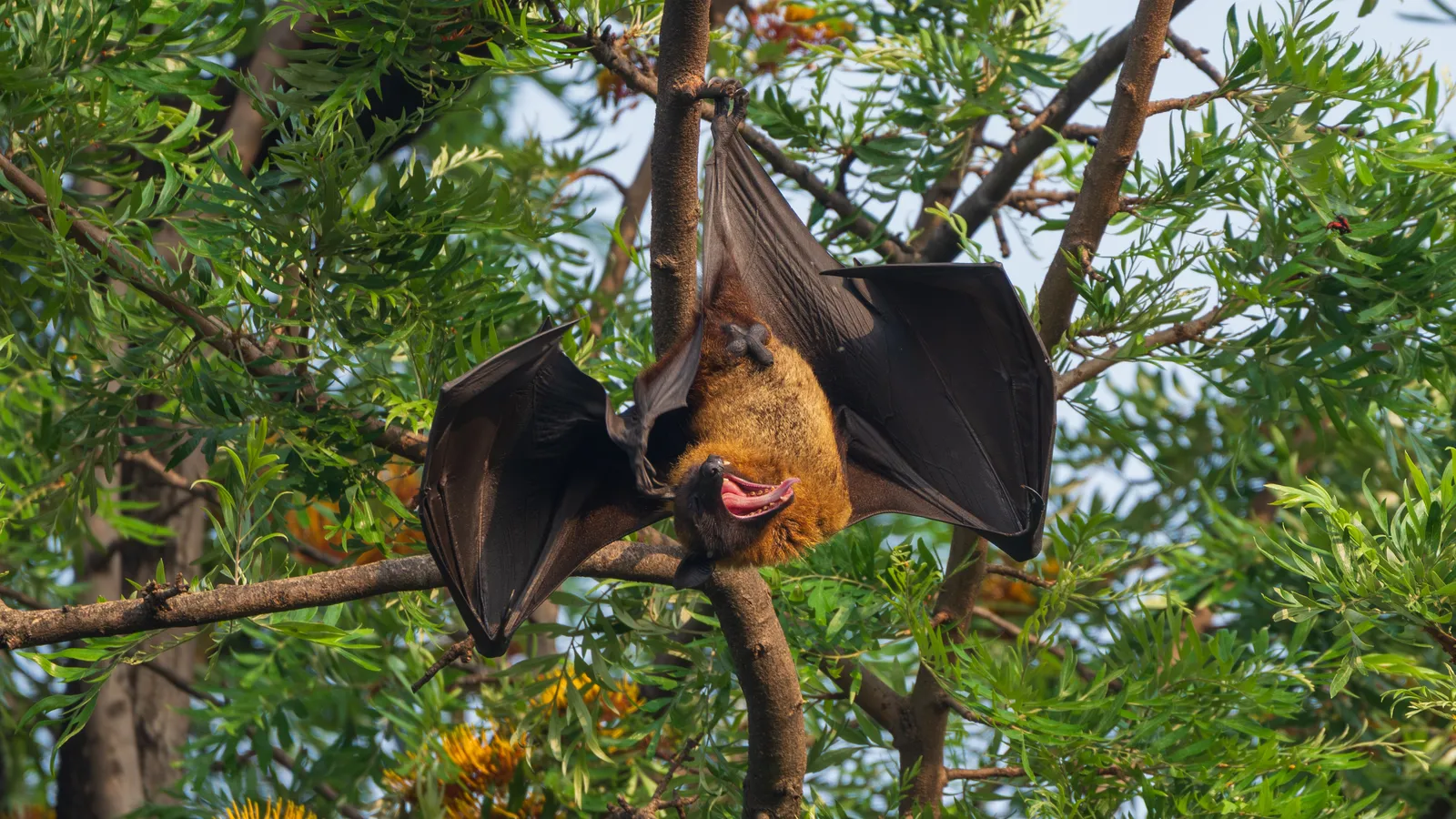
Pteropus is a fruit bat, not a fox. Wikipedia's Pteropus article describes it as a genus of megabats commonly known as fruit bats or flying foxes, with at least 60 living species. The same page notes that flying foxes cannot echolocate and find their way by sight and smell, and that the name comes from Greek pteron, wing, and pous, foot. The Indian flying fox, Pteropus medius, is one of the species in this genus.
Aquatic: Delphinus and Balaenoptera
Both are mammals that live in water and breathe air with lungs. NOAA Fisheries calls the blue whale, Balaenoptera musculus, the largest animal on Earth, at up to 110 feet long (NOAA Fisheries). Wikipedia's common dolphin article gives Delphinus delphis as the only member of the genus Delphinus, with one subspecies living in the Red Sea and Indian Ocean.
Egg-laying: Ornithorhynchus
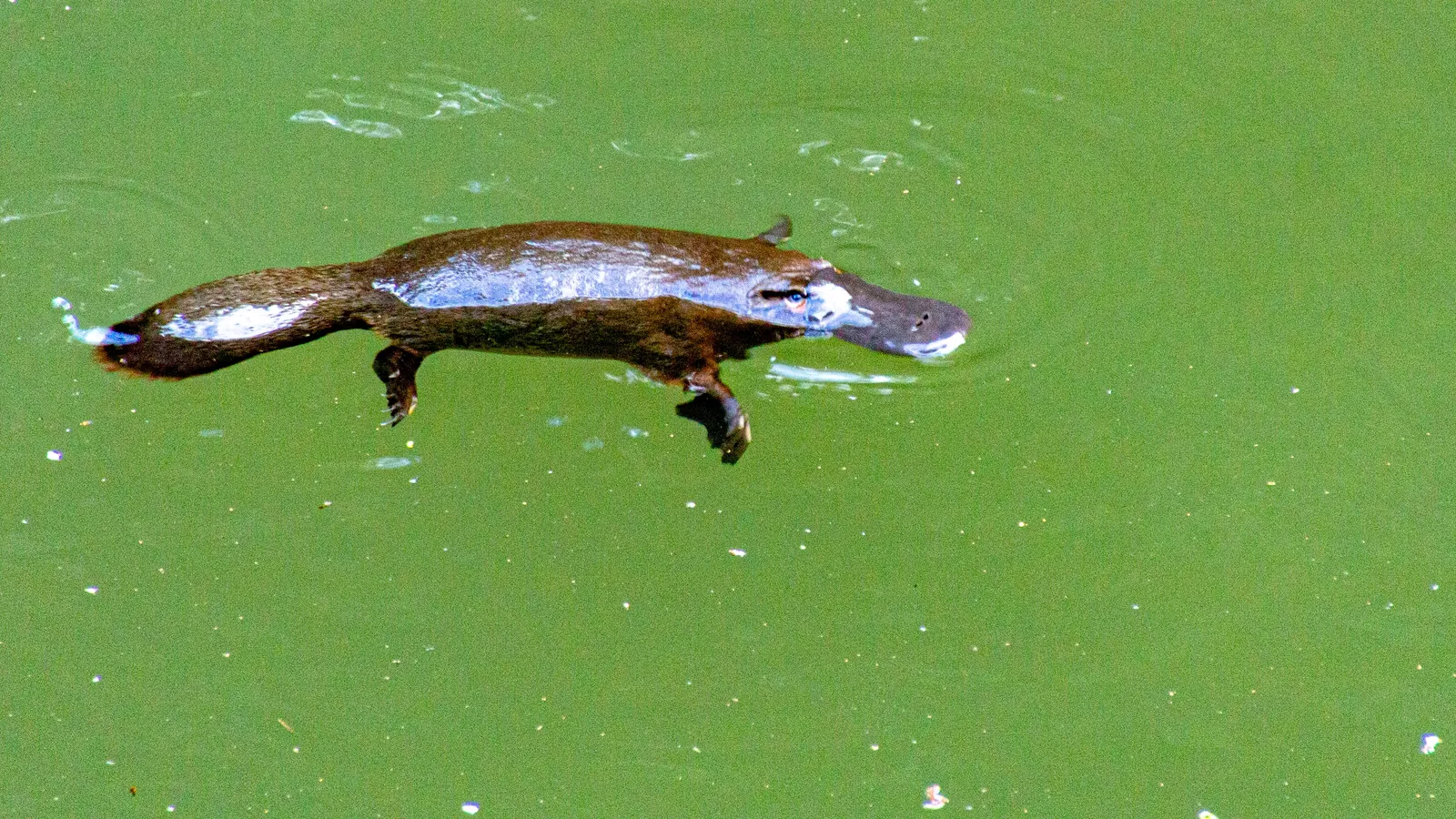
The platypus is the only oviparous mammal in the NCERT list. The Australian Museum says a female lays 1 to 3 eggs, usually 2, and the young suckle milk from two fur-covered milk patches on her abdomen. For the full story of why a mammal lays eggs, read our post on platypus and echidna, the egg-laying mammals.
Pouched: Macropus
NCERT puts the kangaroo under viviparous, and that is correct: the young is born alive, just very small. For the eastern grey kangaroo, Macropus giganteus, the Australian Museum's eastern grey kangaroo page says the newborn weighs less than one gram, climbs into the pouch unaided, and begins to leave it at about 9 months. Our explainer on why the kangaroo has a pouch goes further.
The source for that note is Wikipedia's Macropus article, which also gives the meaning of the name: Greek makros, long, and pous, foot.
Which NCERT animal names are easy to confuse?
The trap options in match-the-list questions often come from the fish section of the same NCERT chapter. Keep these pairs apart:
Pteropus (Flying fox, a mammal) and Exocoetus (Flying fish, a bony fish)
Pteropus and Pterophyllum (Angel fish): both start with Ptero-, from the Greek for wing, and only one is a mammal
Canis (Dog) and Scoliodon (Dog fish, a cartilaginous fish)
Delphinus (Common dolphin) and Balaenoptera (Blue whale): both aquatic mammals, so check the common name, not just the habitat
If the difference between a mammal, a bony fish and a cartilaginous fish is itself shaky, fix that first. The Fermi Concept Library has a lesson for every biology concept and shows its place in the map, so you can rebuild the class features before you memorise examples.
How do you practise a match-the-list on mammal examples?
Cover the answers, then match List-I with List-II.
List-I:
Pteropus
Balaenoptera
Ornithorhynchus
Macropus
Delphinus
Exocoetus
List-II:
(i) Kangaroo
(ii) Flying fish
(iii) Common dolphin
(iv) Flying fox
(v) Platypus
(vi) Blue whale
Step two: put each one in a group, either flying, aquatic, egg-laying, pouched, or not a mammal.
If you got all six, write the full list of 14 from memory tomorrow and check it against the book. If you missed one, say the genus, the common name and the group out loud three times, then try again in two days. For more questions built on the chapter's examples, work through our NCERT examples questions for Animal Kingdom. When a question has you stuck on why an option is wrong, the Fermi Problem Library has worked problems with a step-by-step solver that explains the reasoning rather than printing an answer.