On this page
Teflon, PVC, polythene and polyacrylonitrile look like four separate facts to memorise. They all follow one rule: each comes from a small molecule with a carbon–carbon double bond, and the polymer forms when that bond opens and the units join end to end. Learn the rule and you can rebuild the whole list in an exam, along with the mechanism and the conditions for the two kinds of polythene.
What are the monomers of Teflon, PVC, polythene and polyacrylonitrile?
Every name, formula and use below comes from the NCERT Class 12 Chemistry unit on polymers (2019-20 edition, Unit 15), which covers these as addition polymers.
Polythene: ethene, CH2=CH2. Low density polythene goes into wire insulation, squeeze bottles, toys and flexible pipes. High density polythene goes into buckets, dustbins, bottles and pipes.
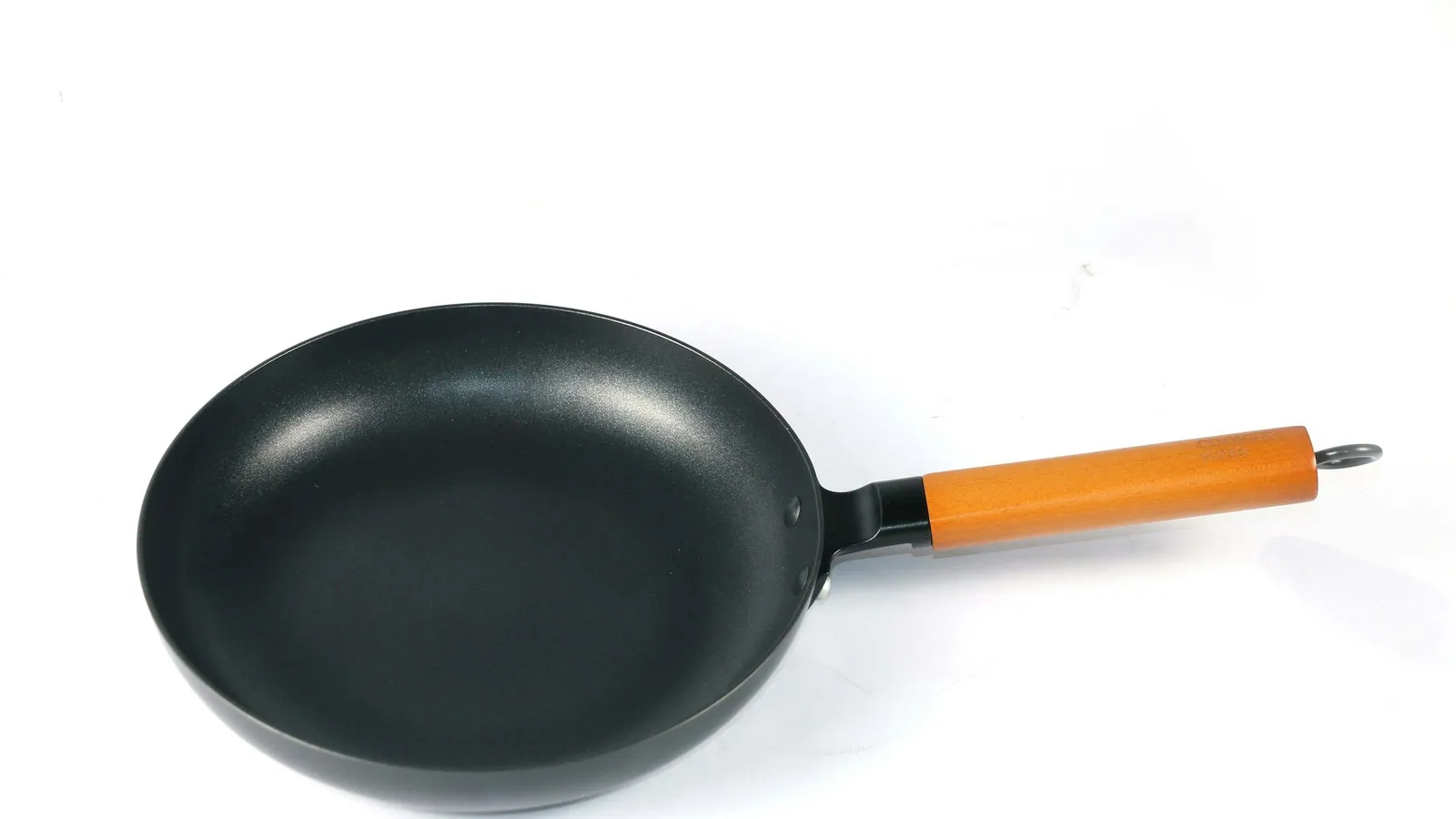
Teflon (polytetrafluoroethene): tetrafluoroethene, CF2=CF2. It is chemically inert and used for oil seals, gaskets and non-stick coatings on cookware.
PVC (polyvinyl chloride): vinyl chloride, CH2=CHCl. Uses include raincoats, handbags, vinyl flooring and water pipes.
Polyacrylonitrile: acrylonitrile, CH2=CHCN. It replaces wool in fibres sold as orlon or acrilan.
Polypropene and polystyrene: propene and styrene, from the same NCERT table of commercial polymers.
How does free-radical addition polymerisation work?
NCERT describes the free-radical route as the most common kind of addition polymerisation. It starts with an initiator such as benzoyl peroxide, acetyl peroxide or tert-butyl peroxide (NCERT, section 15.2.1.1). For polythene, you heat ethene with a little benzoyl peroxide, or expose the mixture to light. The reaction then runs in three steps:
Chain initiation: benzoyl peroxide splits into radicals that give phenyl radicals, C6H5•. A phenyl radical adds across the double bond: C6H5• + CH2=CH2 → C6H5–CH2–CH2•.
Chain propagation: the new radical adds another ethene, which makes a longer radical, and the step repeats: C6H5–(CH2–CH2)n–CH2–CH2•.
Chain termination: the long radicals can end in more than one way. In the mode NCERT shows, two growing radicals combine, so the unpaired electrons pair up and the chain stops growing.
How do the same three steps work for PVC?
NCERT draws the steps only for ethene, but swap in vinyl chloride and the logic stays the same. Only the substituent moves along with each unit.
Initiation: C6H5• + CH2=CHCl → C6H5–CH2–CHCl•
Propagation: C6H5–CH2–CHCl• + CH2=CHCl → C6H5–CH2–CHCl–CH2–CHCl•, then again and again
Termination: two such chain radicals combine into one long PVC molecule
Check it with the double-bond test. Every second carbon in the chain carries a Cl, so the repeat unit is –CH2–CHCl–. Now try the same steps for CF2=CF2 and CH2=CHCN on your own. If you lose track of which carbon holds the radical, the Fermi Problem Library has worked problems with a step-by-step solver that explains the reasoning rather than printing an answer.
Why is LDPE made at high pressure and HDPE at low pressure?
Both come from ethene, but the NCERT polymers unit gives two very different recipes.
Low density polythene is made at 1000 to 2000 atmospheres and 350 K to 570 K, with traces of dioxygen or a peroxide initiator. It forms through free-radical addition plus H-atom abstraction. That gives a highly branched chain, which is tough but flexible.
High density polythene is made in a hydrocarbon solvent with triethylaluminium and titanium tetrachloride (the Ziegler-Natta catalyst), at 333 K to 343 K and 6 to 7 atmospheres. Its chains are linear and pack closely, so it is denser, tougher and harder.
A memory line for the comparison:
LDPE: free radicals, very high pressure, branched chains, flexible.
HDPE: Ziegler-Natta catalyst, mild pressure, straight chains, hard.
How should you revise addition polymers before an exam?
Syllabi change from year to year, so check the current official syllabus for your board or entrance exam before you decide how much time this chapter gets. If it is on your list, this short check covers the core:
From memory, write the six monomers above with their formulas. Then check them.
Write all three free-radical steps for ethene, then for vinyl chloride.
Write both condition sets for polythene: pressure, temperature and catalyst.
Sort polymers into addition and condensation. Teflon, PVC and polythene are addition polymers. Terylene and Bakelite are condensation polymers.
Do two numericals on chain length, such as the ones in our guide to calculating degree of polymerisation from molar mass.
For the next layer, see how polymers are classed by intermolecular force, from elastomers to fibres, and how copolymers work in Buna-S, Buna-N and neoprene. If radicals or Ziegler-Natta catalysts still feel shaky, the Fermi Concept Library has a lesson on each concept in chemistry, with its place in the map, so you can fill the gap before your next test.
Start with step 1 of the checklist today, using a blank sheet and no notes.