On this page
In the NEET (UG) 2026 syllabus, this chapter sits in Unit 9, Biotechnology and Its Applications. Each fix cites Chapter 10 of NCERT Class 12 Biology, Biotechnology and its Applications (Reprint 2026-27) by section; every check is our own. Shaky on the tools themselves? Read our NEET guide to biotechnology principles first.
This is a study summary, not medical advice.
Answer each check before reading the bracket.
Where does the work actually happen?
"Bt cotton is cotton that farmers spray with Bacillus thuringiensis."
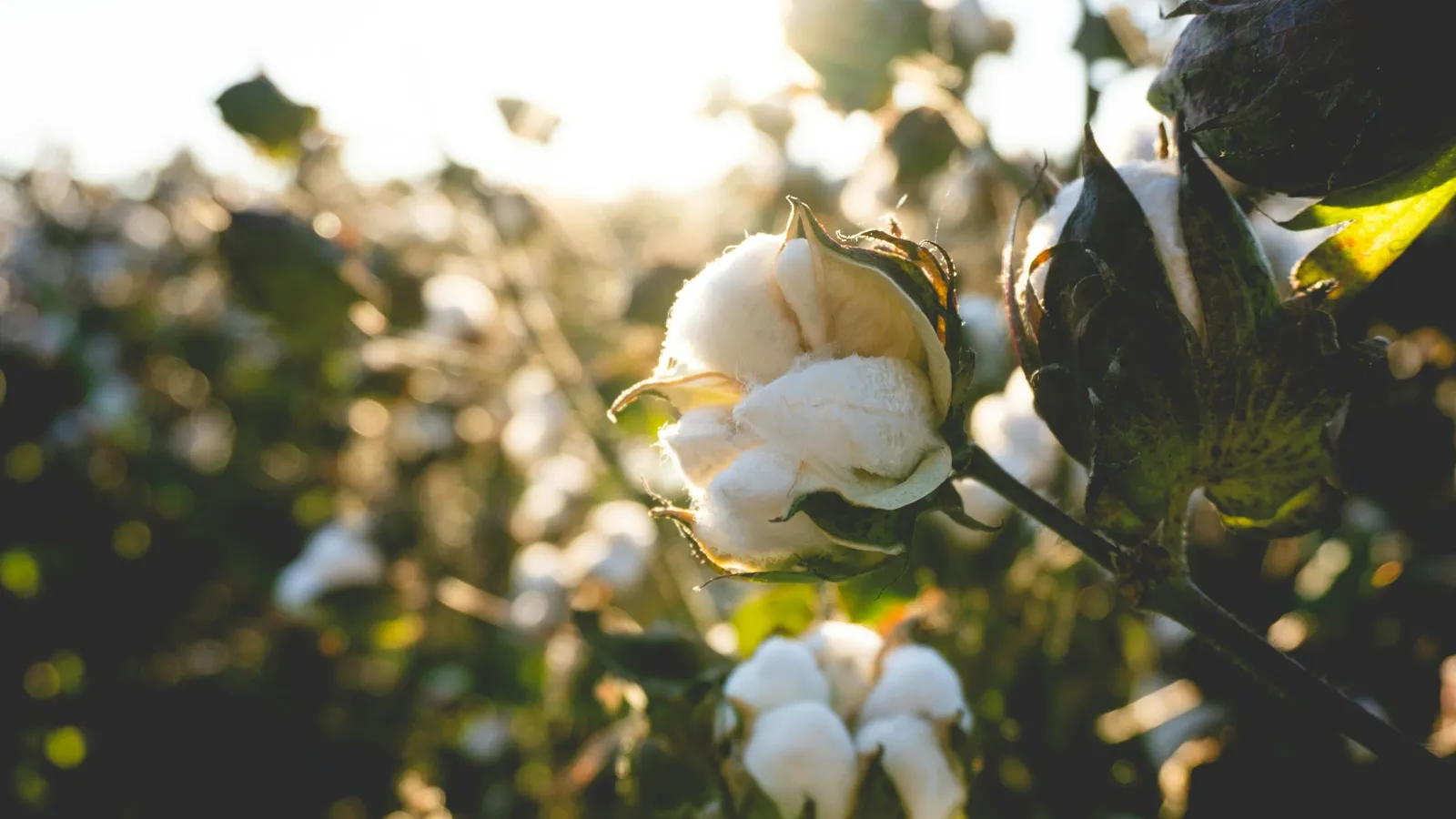
Why it happens: Bt really is sprayed elsewhere. In NCERT's Microbes in Human Welfare chapter (lebo108, 8.5), dried Bt spores mixed with water are sprayed on crops such as brassicas and fruit trees as a biocontrol agent. That is not Bt cotton. What NCERT says (10.1): a Bt toxin gene, cry, was cloned from the bacterium and is expressed in the cotton plant, so the plant makes the toxin itself and resists insects without the need for insecticides. Check: farm P sprays Bt spores on its cabbages; farm Q grows Bt cotton. Which crop carries a cry gene in its own DNA? (Only the cotton on farm Q. The cabbages carry bacteria on their surface, and their DNA is unchanged.) Habit: spray means a biocontrol agent outside the plant; "Bt crop" means a gene inside it.
"Any piece of an infected plant can give virus-free plants, because every plant cell is totipotent."
Why it happens: totipotency gets stretched to every tissue culture question. What NCERT says (10.1): totipotency is the ability to regrow a whole plant from a cell or explant; freedom from virus comes from choosing the right explant, because even in an infected plant, its apical and axillary meristems are virus-free. Check: a potted plant carries a virus. A leaf disc or a shoot-tip meristem: which gives clean plantlets, and which property decides it? (The meristem. Both could regrow; only the meristem is free of virus.) Habit: ask two separate questions, "can it regrow?" and "is it clean?"
Copy, hybrid or modified?
"Micropropagation creates new, improved plant varieties."
Why it happens: the section is about better crops. What NCERT says (10.1): micropropagation turns one plant into thousands in a short time, and each plantlet is genetically identical to its source, a somaclone. Combining characters of two plants is a different technique in the same section: fusing protoplasts into a somatic hybrid. Check: a nursery micropropagates 10,000 guava plantlets from one tree that fruits well but carries an inherited weakness to a fungus. How many plantlets inherit that weakness? (All of them. They are genetic copies of that one tree.) Habit: read micropropagation as photocopying.
"Every GM crop is a pest-resistant Bt crop."
Why it happens: Bt cotton gets the most space. What NCERT says (10.1): pest resistance is only one of the listed gains; others are tolerance of cold, drought, salt and heat, fewer losses after harvest, better use of minerals and higher nutritional value, with golden rice, enriched in vitamin A, as the example. Check: a crop is given a gene that lets it grow in salty soil. Is it a GM crop, and is it a Bt crop? (GM, yes. Bt, no: no Bt toxin gene is involved.) Habit: treat GM as the family and Bt as one member.
"Giving an animal a human protein makes it transgenic."
Why it happens: Rosie's milk carried a human protein, so any human protein in an animal sounds transgenic. What NCERT says (10.3): an animal is transgenic when its DNA has been altered so that it carries and expresses an extra, foreign gene. Check: a calf gets a weekly injection of a purified human protein. Is it transgenic? (No. Its DNA is unchanged, and its own cells make none of that protein.) Habit: look for a new gene in the DNA, not a new protein in the blood or milk.
What does the mechanism change?
"RNAi protects tobacco by destroying or rewriting the nematode's gene."
Why it happens: "silencing" sounds like switching off the DNA itself. What NCERT says (10.1): in RNAi, a matching dsRNA pairs with one particular mRNA and blocks its translation. Check: a nematode feeds on the transgenic tobacco roots. Has the base sequence of its own gene changed? (No. The gene is untouched; its mRNA is what gets blocked, so the protein is not made.) Habit: in every RNAi option, underline the words mRNA and translation.
"Gene therapy works by repairing the patient's faulty gene where it sits."
Why it happens: "correction of a gene defect" sounds like editing the broken gene in place. What NCERT says (10.2.2): correction means delivering a normal gene that takes over the function of the non-functional one. NCERT traces ADA deficiency to deletion of the ADA gene; in the first clinical gene therapy (1990), a functional ADA cDNA was introduced with a retroviral vector into the patient's lymphocytes grown in culture, which were then returned to the patient. Check: in ADA deficiency as NCERT describes it, is there a copy of the gene in place to mend? (No. NCERT says the gene is deleted, so a working copy is introduced instead.) Habit: think "add a working copy", not "mend the broken one".
Is it done, or only hoped for?
"Transgenic mice have already replaced monkeys in polio vaccine safety testing."
Why it happens: NCERT says the mice are being used to test polio vaccine safety, so a hope is remembered as a result. What NCERT says (10.3): transgenic mice are being developed for vaccine safety testing, and if they prove successful and reliable they could replace monkeys in testing vaccine batches. Check: true or false by NCERT, "Transgenic mice are now used instead of monkeys to test polio vaccine batches"? (False. NCERT says they could replace monkeys, if found successful and reliable.) Habit: circle could, if and attempts in this chapter; they mark plans, not results.
A 60-second check before you mark an answer
Then test yourself on our NEET statement and match questions for this chapter.
Not sure which of these to revise first? Fermi's AI tutor works out what you already know and builds a plan for the session.