On this page
Ecosystem is Chapter 12 of NCERT Class 12 Biology (lebo112, Reprint 2026-27), and the NEET (UG) 2026 syllabus lists it under Unit 10 of Biology (Ecology and Environment). Its lists crowd together: five decomposition steps, several percentages and three pyramids. We wrote each of the eleven hooks below ourselves from the NCERT Class 12 Biology Chapter 12 PDF.
A mnemonic only holds a list you already understand. For ideas students swap here, see eight Ecosystem mistakes and their NCERT fixes. Then test each letter with our guide on how to check AI-made NEET biology mnemonics.
How does an ecosystem work as a unit?
Rote is fine for the two structural features (species composition, stratification) and the three forest layers.
The four functional aspects, in NCERT's (i) to (iv) order (12.1)
Puppies Dig Every Night. (First-letter sentence.)
P: productivity
D: decomposition
E: energy flow
N: nutrient cycling
Check: an option that slips stratification into this list has mixed a structural feature into the functional ones.
What regulates how fast a pond works (12.1)
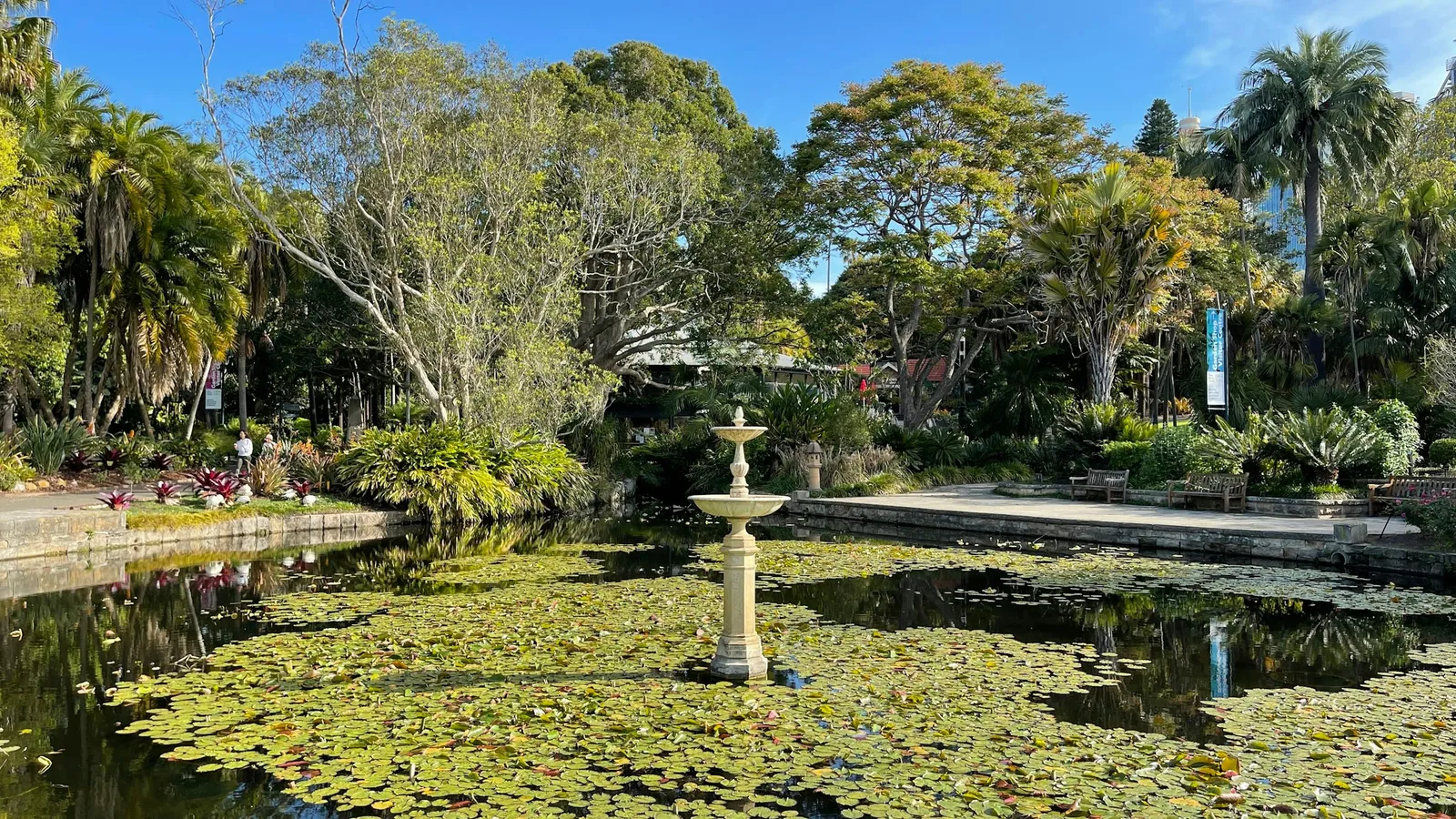
A sun, a thermometer, a clock and a weather vane stand on the bank. (Picture image.)
Sun: the solar input
Thermometer: the cycle of temperature
Clock: day-length
Weather vane: other climatic conditions
Check: everything on the bank is abiotic; phytoplankton and the pond plants are autotrophs in the water.
How do you remember the productivity facts?
What primary productivity depends on (12.2)
Silver Eels Nibble Pebbles. (First-letter sentence.)
S: the plant species living in that area
E: a variety of environmental factors
N: how available nutrients are
P: the photosynthetic capacity of plants
Check: these explain why productivity varies between ecosystems; GPP − R = NPP is a definition, not a factor.
Where the biosphere's yearly NPP is made (12.2)
A 170-page book whose sea chapter has only 55 pages, though the sea covers about 70 per cent of the cover. (Number hook.)
170: approximate annual NPP of the whole biosphere, billion tons of dry organic matter
55: the oceans' share, in billion tons
70: about 70 per cent of the surface, which the oceans occupy
The other pages are land (115, by subtraction)
Check: the small number belongs to the ocean, not land.
How do you remember decomposition?
The five steps NCERT names (12.3)
Fresh Lemons Cool Hot Mornings. (First-letter sentence.)
F: fragmentation, as detritivores such as earthworm break detritus into smaller particles
L: leaching, as water-soluble inorganic nutrients move down the soil horizon and precipitate as unavailable salts
C: catabolism, as bacterial and fungal enzymes turn detritus into simpler inorganic substances
H: humification, which builds humus, a dark, colloidal nutrient reservoir that resists microbes
M: mineralisation, as microbes degrade humus and release inorganic nutrients
Check: this is NCERT's listing order, not a timetable. NCERT says the steps operate simultaneously on detritus (Figure 12.1), and the chapter Summary names only F, L and C.
What detritus is made of (12.3)
Little Bears Fold Dusty Futons. (First-letter sentence.)
L: leaves
B: bark
F: flowers
D: dead remains of animals
F: fecal matter
Check: NCERT gives the plant parts as examples ("such as"); fecal matter counts within animal remains.
What slows or speeds decomposition (12.3)
Lazy Camels crawl; Nimble Squirrels dash. (Contrast pair.)
Lazy Camels: lignin-rich and chitin-rich detritus decays slowly
Nimble Squirrels: detritus rich in nitrogen and in water-soluble substances such as sugars decays fast
Check: this holds within one climate. Warm and moist conditions favour decomposition; low temperature and anaerobiosis inhibit it.
How do you remember energy flow and trophic levels?
The energy percentages (12.4)
Under 50 gets in, 2 to 10 gets caught, 10 gets passed up. (Number hook.)
Under 50: PAR is below half (under 50 per cent) of the incoming solar radiation
2 to 10: the share of that PAR that plants actually capture, in per cent
10: the 10 per cent law, the energy moved to each trophic level from the one below
Check: 2-10 is a share of PAR, not of all sunlight. Figure 12.4(d) adds a separate 1 per cent, the share of available sunlight producers turn into NPP.
Grazing food chain levels, bottom to top (12.4, Figure 12.3)
Pick Hot Pakoras Slowly. (First-letter sentence.)
P: producer
H: herbivore, the primary consumer
P: primary carnivore, though a secondary consumer
S: secondary carnivore
Check: Pakoras is a carnivore by rank but a secondary consumer by count.
Which ecological pyramids can turn upside down?
The three pyramids and when they invert (12.5)
The tree flips the count, the sea flips the mass, the heat keeps energy upright. (Story chain.)
Tree: numbers can invert, with many insects on one big tree, then small birds, then larger birds
Sea: biomass in the sea is generally inverted, fish far outweighing phytoplankton (Figure 12.4c shows zooplankton)
Heat: energy is always upright, since some is lost as heat at every step
Check: tree, sea, heat follows NCERT's number, biomass, energy. In most ecosystems all three are upright.
Limitations of ecological pyramids (12.5)
Ducks Swim Without Shoes. (First-letter sentence.)
D: double duty, as one species at two or more trophic levels is not accounted for (a sparrow eating seeds and insects)
S: a simple food chain is assumed
W: a food web cannot be accommodated
S: saprophytes get no place, despite their vital role
Check: the first S is an assumption; the last is a group left out.
Check yourself
In Puppies Dig Every Night, what does Every stand for?
Which object on the pond bank stands for day-length?
In Fresh Lemons Cool Hot Mornings, which word builds the nutrient reservoir?
In Lazy Camels crawl, which two substances do the capitals name?
In the energy number hook, the 2 to 10 is a share of what?
In Ducks Swim Without Shoes, which word covers the sparrow?
Answers, one line each:
Energy flow.
The clock.
Hot: humification, which forms colloidal humus.
Lignin and chitin, which slow decomposition.
PAR, not all incident sunlight.
Ducks: one species working at two or more trophic levels.
Which of these lists still feels shaky? Fermi's AI tutor works out what you already know and builds a plan for the session.