On this page
CBSE has published the marks split for every Class 10 and Class 12 subject in the 2026-27 board examinations. The CBSE circular dated 5 November 2026, signed by Dr. Sanyam Bhardwaj, Controller of Examinations, lists 83 Class 10 and 121 Class 12 subjects with each one's code, theory, practical, project and internal assessment marks, theory paper length, and whether an external examiner will be appointed.
According to the circular, schools sometimes make mistakes while uploading practical, project and internal assessment marks. The list is meant to help teachers award and upload marks correctly, so that no request is made later to change them, and to tell students how much time each theory paper allows.
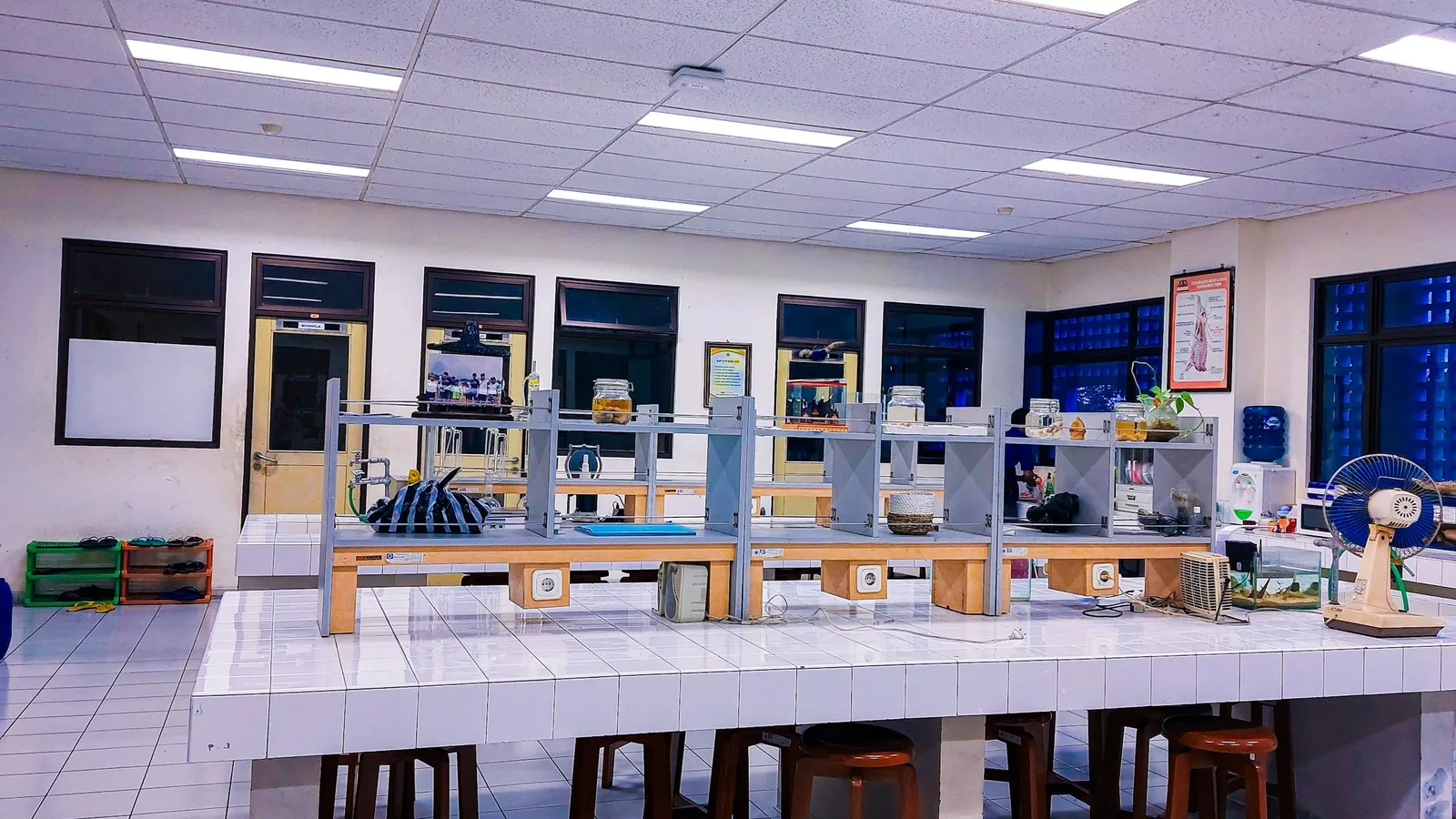
When are CBSE practicals and internal assessment for 2027?
The same circular gives two windows for practical examinations and internal assessment:
Winter-bound schools: 9.11.2026 to 19.12.2026.
Regular session schools: 01.01.2027 to 13.02.2027.
The theory papers follow: the CBSE date sheet says the board examinations begin on 16 February 2027. Our CBSE 2027 date sheet explainer has the subject-wise dates.
How are Class 12 marks split between theory and practical?
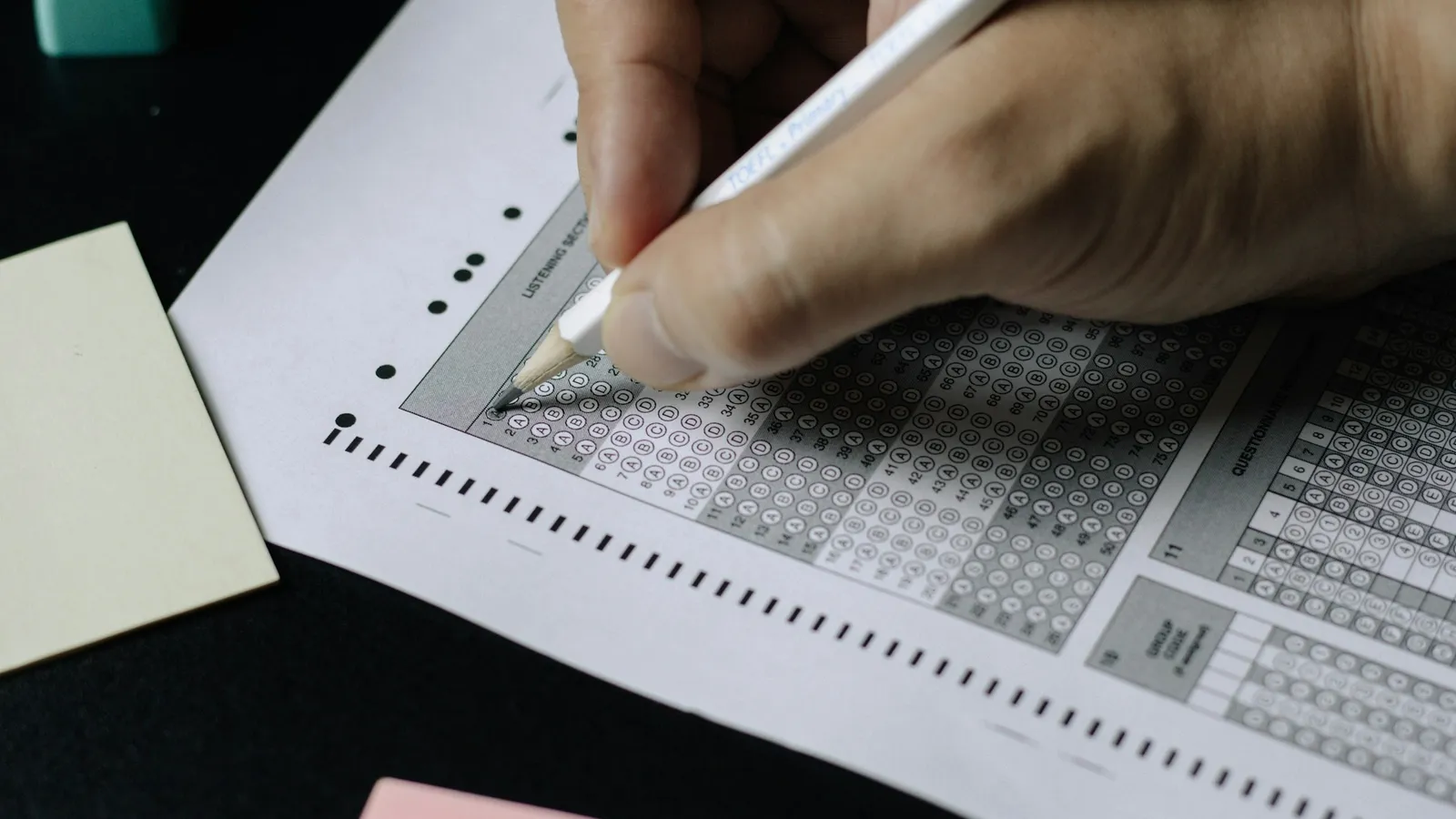
Every subject carries 100 marks in total, CBSE states. How those 100 are divided depends on the subject:
70 theory + 30 practical, 3-hour paper: Physics, Chemistry, Biology, Biotechnology, Computer Science, Informatics Practices, Geography, Psychology, Home Science, Physical Education, Engineering Graphics and NCC.
80 theory + 20 internal assessment, 3-hour paper: Mathematics (041), Applied Mathematics (241), English Core, Hindi Core and the other language papers.
80 theory + 20 project, 3-hour paper: History, Political Science, Economics, Sociology, Business Studies, Accountancy and Legal Studies.
60 theory + 40 practical, 3-hour paper: most skill subjects, such as Retail (801), Information Technology (802), Taxation (822) and Mass Media Studies (835).
50 theory + 50 practical, 2-hour paper: skill subjects including Yoga (841), Artificial Intelligence (843) and Data Science (844).
30 theory + 70 practical, 2-hour paper: Painting, Sculpture and the dance subjects.
The annexure also shows that CBSE will appoint an external examiner for the practical or project in most Class 12 subjects, including Physics, Chemistry, Biology, Accountancy and Economics. It says NO for Mathematics, English Core, Legal Studies and the language papers.
What is the split for Class 10?
For Class 10, the circular's subject list shows:
Science, Social Science, Mathematics (Standard), Mathematics (Basic), English (Communicative) and English Language and Literature: 80 theory + 20 internal assessment, 3-hour paper.
Computer Applications (165) and skill subjects such as Information Technology (402) and Artificial Intelligence (417): 50 theory + 50 practical, 2-hour paper.
Home Science: 70 theory + 30 practical. Elements of Business and Elements of Book Keeping and Accountancy: 70 theory + 30 project.
No Class 10 subject on the list has a CBSE-appointed external examiner, so schools assess these components with their own teachers.
What should you check now?
Use this checklist with your subject teacher before your school's practical dates:
Find your subject code in your registration details and match it to the CBSE list. Applied Mathematics (241) and Mathematics (041) are separate rows, so read the right one.
Write down your split: theory, practical, project and internal assessment. Your theory target is out of 70 or 80, not 100.
Ask your school which window applies: the winter-bound dates or 1 January to 13 February 2027.
If an external examiner is listed, finish your practical file, project file and viva revision before the window opens.
Note the theory paper length, 3 hours or 2 hours, and practise full papers in exactly that time.
A worked example: in Class 12 Physics (70 theory, 30 practical), if you score 27 out of 30 in the practical, you need 43 out of 70 in theory to reach 70 out of 100.
After practicals, our guide to semiconductor electronics for the Class 12 board exam shows how to write answers for step marks. For a concept that still feels shaky after the lab, the Fermi Concept Library has a lesson for every concept in physics, chemistry, biology, mathematics and computing.