On this page
The first Diwali break after you move to a coaching city often means your first train trip home alone. For your parents, it can mean a nervous night of checking their phone. This plan covers booking, documents, staying in touch and using the hours on the train well.
How do you book a train ticket home on your own?
Book from your own IRCTC account, or from a parent's account with your name and age entered exactly as they appear on your ID. Booking windows and Tatkal rules change, so check the current advance reservation period on IRCTC before you plan around a date.
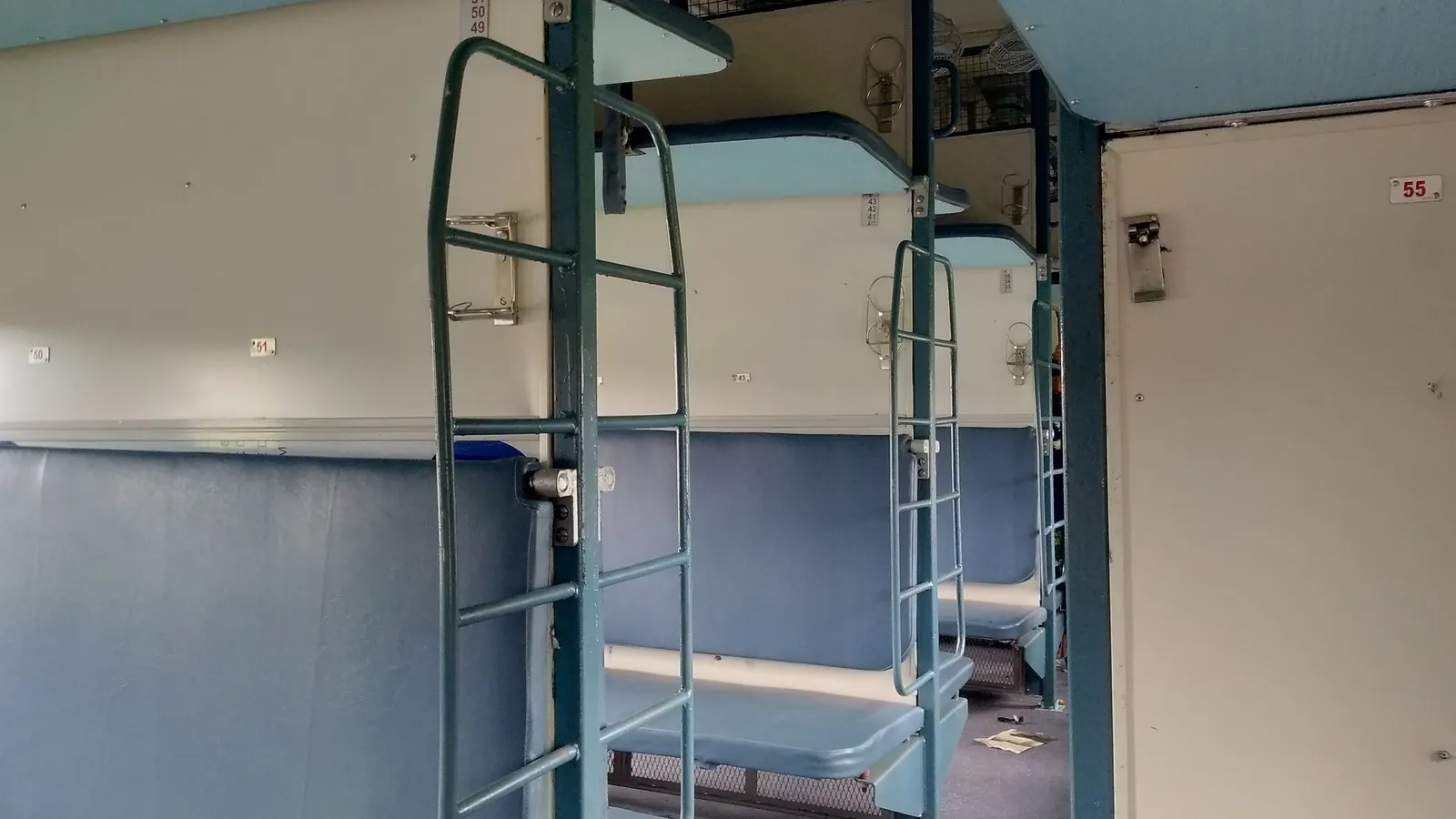
On an overnight train, a middle or upper berth gives you more privacy; keep your bag chained under the lower berth or with you.
Send the PNR, train number, coach and berth to one parent the moment you book.
Save 139 in your phone. Indian Railways' Rail Madad helpline 139 brought the older railway helplines into one number, does not need a smartphone to call, and is available in twelve languages.
The same release says pressing 2 on 139 gives PNR status, train running times and a wake-up alarm or destination alert, which helps on a night train when you are scared of sleeping past your station.
What ID do you need on an Indian train?
Carry an original photo ID, not a photocopy. Since 1 December 2012, one passenger on each PNR in any reserved class must show a prescribed ID in original, or everyone on that ticket is treated as travelling without a ticket. When you travel alone, that passenger is you.
The Ministry of Railways list of valid IDs includes a student identity card with a photograph issued by a recognised school or college, and Aadhaar, m-Aadhaar and e-Aadhaar. The same 2018 release says an Aadhaar or driving licence shown from the "Issued Documents" section of DigiLocker is accepted, but documents you upload to DigiLocker yourself are not. A coaching-institute card is not named on the list.
For a Tatkal ticket, the 2012 release says you must show the same ID that was entered when booking.
What should you pack for a solo overnight train?
Pack the night before, and keep the important things on your body, not in the big bag.
Original ID, plus the e-ticket on your phone and as a screenshot.
Phone, charger and a charged power bank.
A small chain lock for your bag, and a sling bag for phone, ID and cash.
Some cash in addition to UPI, kept in two places.
Water, a simple dinner, and any medicines you take.
One study pack: a formula sheet, a printed problem set or a downloaded chapter.
How should you share your location and stay in touch?
Turn on live location sharing with one parent before you leave your hostel; Google's Location Sharing starts from Maps or Messages and can be paused later. Agree on fixed check-in points.
If something goes wrong on board, such as harassment, theft or feeling unwell, call 139 and press 1 for security and medical help. In 2022 the Ministry of Railways said 139 runs 24x7 for passengers in distress and is integrated with the national emergency number 112. The same statement describes the Meri Saheli initiative, which focuses on the safety of women travelling alone by train from the starting station to the destination.
Say no to food from strangers. For safe payments, see our guide to staying safe while using UPI as a student.
Can you actually study on a train?
Yes, if you pick the right kind. New chapters go badly on a moving train; short recall works much better.
In a 2006 study, Roediger and Karpicke had students either restudy prose passages or take recall tests on them. Restudying looked better on a test 5 minutes later, but on tests 2 days and 1 week later the students who had practised recall remembered substantially more.
A train plan built on that idea:
First hour: write out every formula from one chapter from memory, then check your sheet.
After dinner: solve five short problems you printed or saved offline, without looking at solutions.
Morning: mark which ones you got wrong, to fix once you are home.
When you have signal again, the Fermi Problem Library has worked problems with a step-by-step solver that explains the reasoning rather than printing an answer, which helps you see where a train attempt went wrong.
What if the trip home feels harder than expected?
Feeling low or homesick on the way back to the coaching city is common. Our guide on how often to call home from hostel can help you find a rhythm that suits you. If the worry stays with you, talk to a parent, a teacher or a counsellor, or call Tele MANAS, the government's free 24x7 mental health helpline, on 14416.
If your next trip is to an exam, our plan for an exam centre in another city covers travel and documents for that journey.