
On this page
Translation turns written text from one language into another; interpreting does the same for speech, live. India has no shortage of language pairs: the Constitution's Eighth Schedule lists 22 languages, from Assamese to Urdu. No single exam makes you a translator: you take a degree, add training, then choose a government post, interpreting or freelance work.
Which course should you take after 12th to become a translator?
Most routes start with a bachelor's degree in a language. Two common choices:
A foreign language BA. JNU's 2026-27 undergraduate e-prospectus offers a four-year BA (Hons) in Arabic, Chinese, French, German, Japanese, Korean, Persian, Pashto, Russian and Spanish, with admission through CUET (UG). Applicants must take the CUET English test and the General Aptitude Test, and need at least 45% in Class 12 (relaxed for reserved categories); no stream is specified. The Russian BA lists translation and interpretation among its core courses.
A BA in Hindi, English or another Indian language. This suits you if you are aiming at government translator posts, which are built around Hindi-English work.
If CUET is your way in, our guide to preparing for the CUET English language test covers the paper JNU asks for.
After your degree, add formal training. IGNOU's Post Graduate Diploma in Translation is open to anyone with a bachelor's degree, can be completed in 12 to 36 months, and covers the theory and practice of English-Hindi translation, administrative and literary translation, machine translation and a practical translation project with translator's notes. Its medium of instruction is Hindi.
What do government translator jobs ask for?
The main central government entry is the Staff Selection Commission's Combined Hindi Translators Examination. The 2026 notice, published on 23 April 2026, listed 84 tentative vacancies for posts such as Junior Hindi Translator and Junior Translation Officer at pay Level-6 (Rs 35,400 to Rs 1,12,400), and Senior Hindi Translator at Level-7.
The bar is well above Class 12:
A Master's degree in Hindi or English, with the other language studied at degree level (other Master's subjects count with that Hindi-English combination).
Plus a recognised diploma or certificate in Hindi-English translation, or two years of translation work in a Central or State Government office for junior posts (three years for senior posts).
Age 18 to 30 as on 1 August 2026, with relaxation for reserved categories.
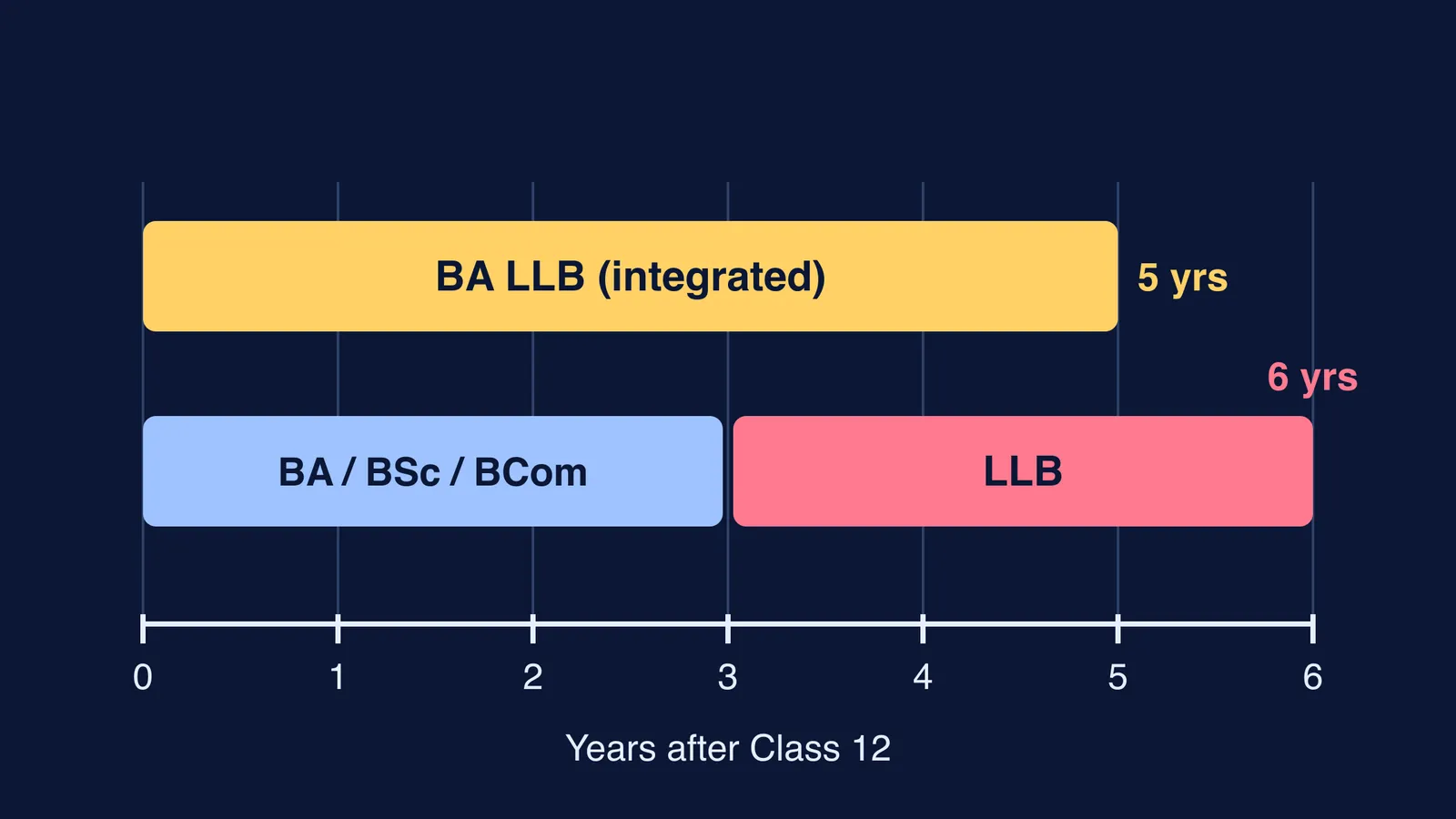
Paper-II tests the craft itself: one passage from Hindi to English, one from English to Hindi, and an essay in each language. Counting a BA and an MA, plan on roughly five to six years of study after 12th before you are eligible.
How do interpreters get hired in India?
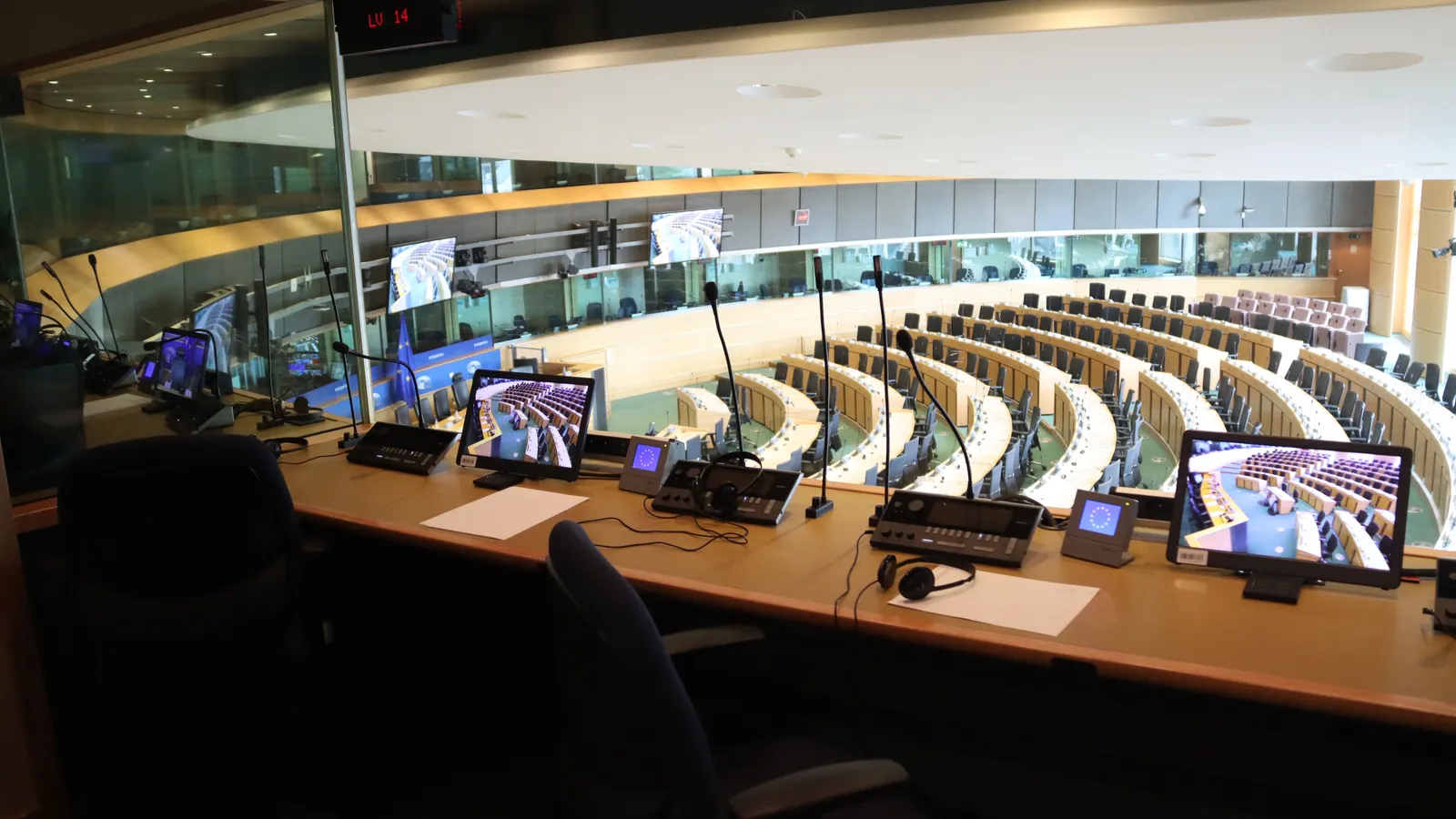
Interpreting means speaking the meaning while the speaker is still talking. Parliament is one visible employer. In its Advt No. 1/2025, the Lok Sabha Secretariat sought contract Consultant Interpreters for Kannada, Konkani and Tamil. It asked for a Master's degree in any discipline with the regional language studied at Class 10 level or higher, a diploma in it, or as mother tongue; or a bachelor's degree with five years of translation or interpretation experience. Selection started with an oration test: 3 minutes of unprepared speech in English or Hindi and 3 minutes in the regional language, followed by simultaneous interpretation tests.
So practise speaking fluently, on the spot, in both your languages.
How do you start freelance translation?
A client hiring a stranger needs evidence, so your samples do the talking. The National Translation Mission, run through the Central Institute of Indian Languages, keeps a National Register for Translators; it is worth joining once you have work to show.
Learn to check machine translation line by line against the source. Our explainer on how AI translates between Indian languages and how to check it shows where it slips. For rates, invoices and finding first clients, read how to start freelancing as a college student.
A six-week plan to build your sample portfolio
Week 1: Pick one language pair and one direction (say English to Hindi) and two fields you know, such as school science and short stories.
Week 2: Translate about 300 words of a text you are allowed to reuse: public domain, openly licensed, or your school's notice with permission.
Week 3: Add a translator's note listing three to five choices you made and why.
Week 4: Translate a 250-word science explanation.
Week 5: Ask a bilingual teacher to compare your version with the source; fix and log every correction.
Week 6: Record a three-minute interpreting sample of a short speech.
Put everything in one PDF, source and translation side by side.
A worked example. Source: "The current in the circuit is directly proportional to the voltage." Translation: "परिपथ में धारा विभवांतर के अनुक्रमानुपाती होती है।" Note: "current" here is धारा, not वर्तमान, which means the present time; a word-by-word tool can pick the wrong sense.
For science passages, the Fermi Concept Library has a lesson on every concept in physics, chemistry, biology, mathematics and computing, so you can check what a term means before you choose its Hindi equivalent.
Start week 1 this weekend.