
On this page
LLB students in India can draw on three sources: central schemes on the National Scholarship Portal (NSP), their university's own aid, and private trusts. Here is what each pays, and when to apply.
Which government scholarships can LLB students apply for?
PM-USP Central Sector Scheme (CSSS). The Ministry of Education's CSSS FAQ for 2025-26 says fresh applicants must be above the 80th percentile of their Class 12 board stream, study in a regular course, and have family income up to Rs 4.5 lakh a year. It pays Rs 12,000 a year for the first three years. Fresh applicants must have finished Class 12 the previous year, with no drop year.
If you are in Class 11 or 12 and maths or science marks stand between you and that cut-off, the Fermi Problem Library has worked problems with a step-by-step solver that explains the reasoning rather than printing an answer.
Post-matric scholarships. Your home state awards these. The Ministry of Tribal Affairs' post-matric regulations for ST students set a family income limit of Rs 2.5 lakh a year. The scheme for SC students, as Maharashtra's social welfare department describes it, uses the same ceiling and covers tuition and exam fees plus a monthly allowance. ST students at institutes on that Ministry's Top Class list are excluded; a separate ST scheme covers them.
Top Class Scholarship for SC students. The Ministry of Social Justice guidelines applicable from 2025-26 let National Law Universities be notified under the scheme, so check the current list. SC students with family income up to Rs 8 lakh get full tuition and non-refundable fees (capped at Rs 2 lakh a year at private institutions), plus Rs 86,000 in the first year and Rs 41,000 in each later year. Slots per institution are fixed and filled by entrance merit, with at least 30% for girls.
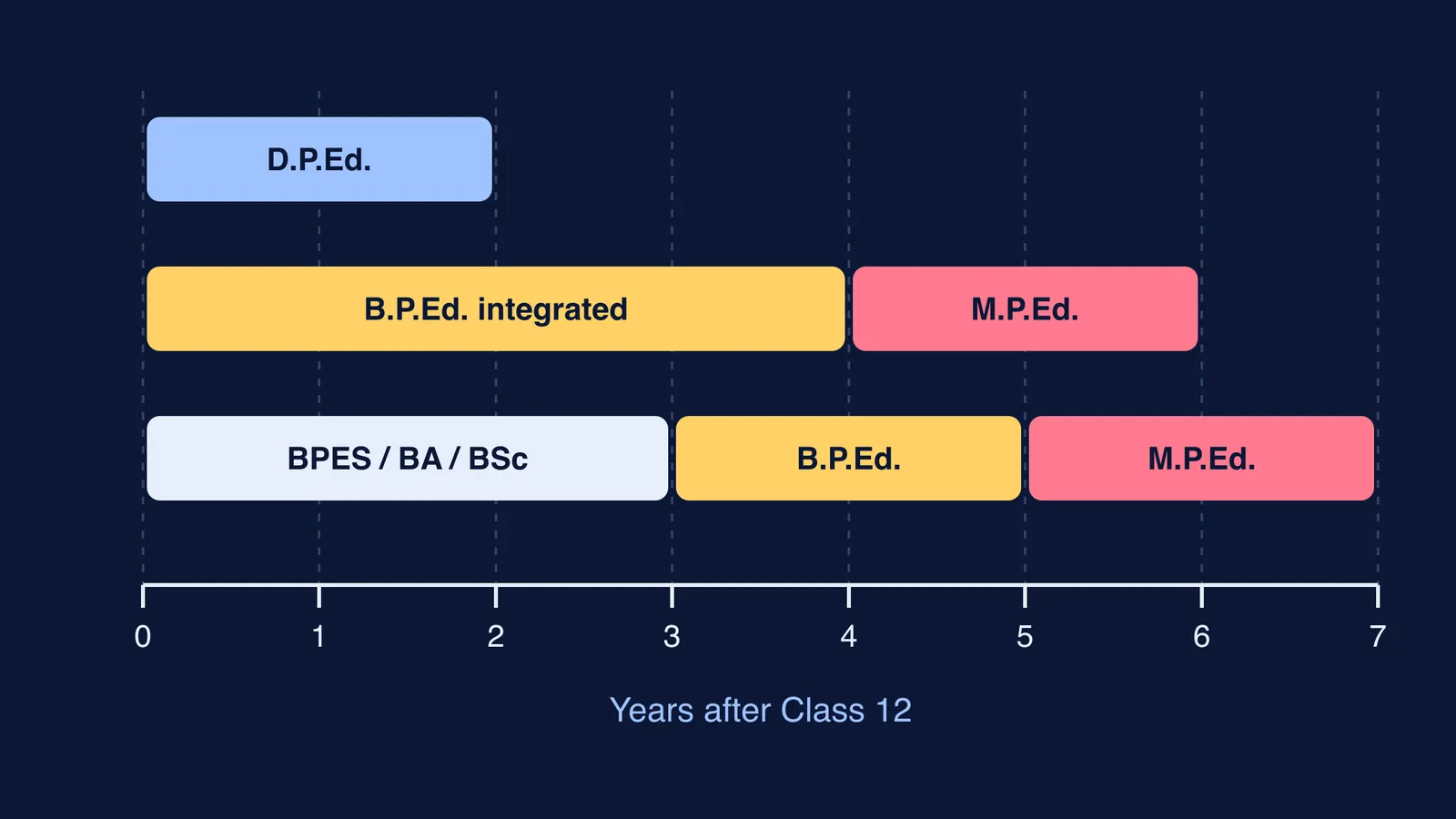
Which scholarships cover the five-year integrated LLB?
CSSS: the CSSS FAQ allows five years in total and pays Rs 20,000 a year in the 4th and 5th year to "technical courses". It does not name law degrees, so ask your Institute Nodal Officer how your BA LLB is listed. Renewal needs 50% marks and 75% attendance.
Top Class SC: the guidelines continue the award until the course ends if you keep getting promoted. Changing institution ends it.
Post-matric: renewed yearly; the ST regulations allow cancellation if you change subject or institution without state approval.
On a three-year LLB after a first degree, you cannot apply fresh for CSSS, so your routes are post-matric, state and university aid. Ask your state first: the ST regulations bar a degree in a second stream, such as a B.Com after a BA.
A worked example
Take a hypothetical SC student admitted to an NLU's BA LLB, with family income of Rs 6 lakh and a place in her board's top 20th percentile. Post-matric is out: Rs 6 lakh is above the Rs 2.5 lakh ceiling. CSSS fits, at Rs 12,000 a year. Top Class fits if her NLU is notified and she ranks within its SC slots: full tuition plus Rs 86,000 in year one. She can hold only one, so she applies for Top Class and keeps CSSS as a fallback.
More in our guide to whether you can hold two scholarships at once.
What do universities and trusts offer?
The National Law School of India University's financial aid page lists aid funded by the university, aid it runs for outside donors, and third-party aid. Named scholarships include ones funded by alumni batches and law firms such as Allen & Overy and AZB and Partners. Still choosing a course? Our comparison of BA LLB and BBA LLB helps.
Among trusts, Increasing Diversity by Increasing Access (IDIA) identifies underprivileged students with an aptitude for law, trains them for entrance exams over one to two years, and arranges scholarships once they are admitted to a law school.
When do law scholarship applications open and close?
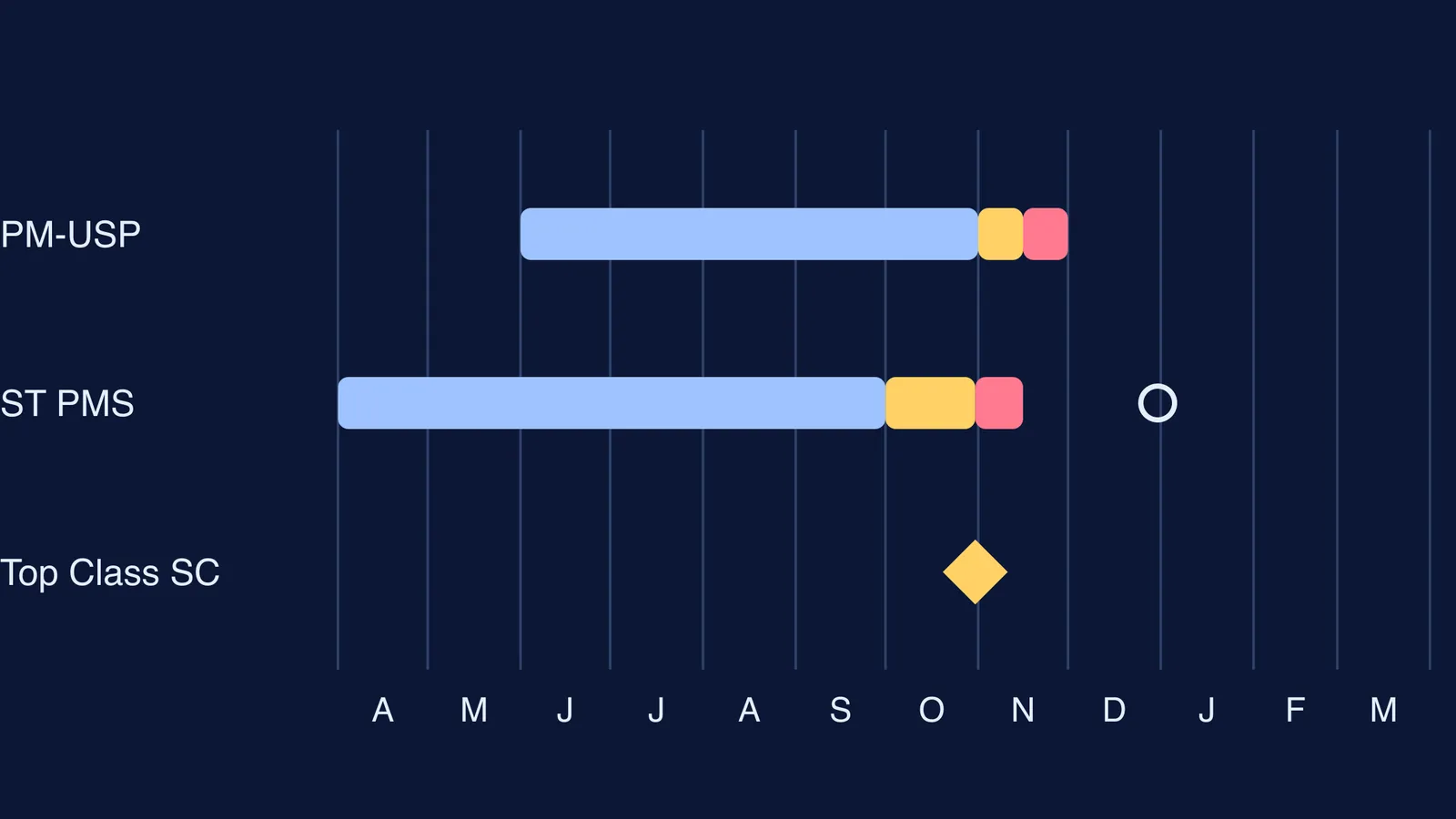
For 2026-27, the National Scholarship Portal opened on 1 June 2026. PM-USP renewal applications closed on 31 October 2026; institute verification runs to 15 November and the second-level check to 30 November. Your yearly plan:
April: the ST regulations suggest states take post-matric registrations from 1 April to 30 September.
May: get income and caste certificates; link Aadhaar to your bank account.
June: NSP opens. Create your One-Time Registration with our step-by-step NSP guide.
July to September: ask your university's scholarship cell about its aid and Top Class slots.
October: institutions must verify Top Class applications on NSP by 31 October (or a date the DBT Mission sets), under the guidelines.
November: log in weekly. A "defective" application can be corrected; a "rejected" one cannot.
December onwards: money arrives by direct transfer to your Aadhaar-seeded account; track it on NSP and PFMS.
Check each scheme's current dates on NSP before applying.