On this page
Every new medicine, pesticide, food additive and face cream has to answer one question before it reaches you: at what dose does it start to cause harm? The people who answer it are toxicologists, and the job needs chemistry and biology every day.
What does a toxicologist actually do?
The Society of Toxicology defines toxicology as "the study of the adverse effects of chemical, physical, or biological agents on living organisms and the ecosystem, including the prevention and amelioration of such adverse effects" (Society of Toxicology).
In practice, much of the work is measuring how an effect changes with dose. A toxicologist exposes cells, small organisms or lab animals to a range of doses and records how many respond. Plotted against dose on a log scale, the result is usually an S-shaped dose-response curve. The dose at which half respond (the ED50, or LD50 when the effect is death) lets you compare one chemical with another.
India's GLP authority lists the kinds of products that need these non-clinical safety studies: industrial chemicals, pharmaceuticals, veterinary drugs, pesticides, cosmetics, food products and feed additives (NGCMA, Department of Science and Technology). Forensic toxicology, which tests body samples in legal cases, is a related branch covered in our guide to forensic science courses and careers in India.
Which subjects do you need for a career in toxicology?
The Society of Toxicology tells undergraduates to "take as many biology and chemistry courses as you can, as well as physics, computer science, statistics and mathematics (including calculus)" (Society of Toxicology, Becoming a Toxicologist). In Indian terms, that means PCB or PCMB in Class 11 and 12, then a degree that keeps both sciences alive.
Common first degrees in India:
BSc in chemistry, zoology, biochemistry, biotechnology or life sciences, then an MSc
BPharm, which leads naturally into pharmacology and toxicology
BVSc or MBBS, for veterinary or clinical toxicology later
After that, the route is usually a specialised master's and often a PhD. NIPER campuses such as Guwahati run a two-year MS (Pharm) and a PhD in Pharmacology and Toxicology (NIPER Guwahati); check the current NIPER-JEE brochure for eligibility, since it changes. If you are weighing an MSc against a job, read should you do an MSc or a job after a BSc in chemistry.
Expect to study for a long time. Among recent graduates of toxicology programmes in the Society of Toxicology's figures, 55% earned PhDs, 22% master's degrees and 23% bachelor's degrees (Society of Toxicology). Those figures come from a US society, so treat them as a rough guide; in India, research roles often ask for a PhD too.
Which labs hire toxicologists in India?
CSIR-Indian Institute of Toxicology Research (IITR), Lucknow. Established in 1965, it works on molecular, environmental and computational toxicology and holds GLP compliance certification for toxicity and mutagenicity studies (India Science and Technology portal). Its site lists PhD admission through AcSIR, project assistant posts and short-term training (CSIR-IITR).
ICMR-National Institute of Occupational Health (NIOH), Ahmedabad. It began in 1966 and studies workplace hazards such as lead in battery plants and pesticide poisoning (India Science and Technology portal).
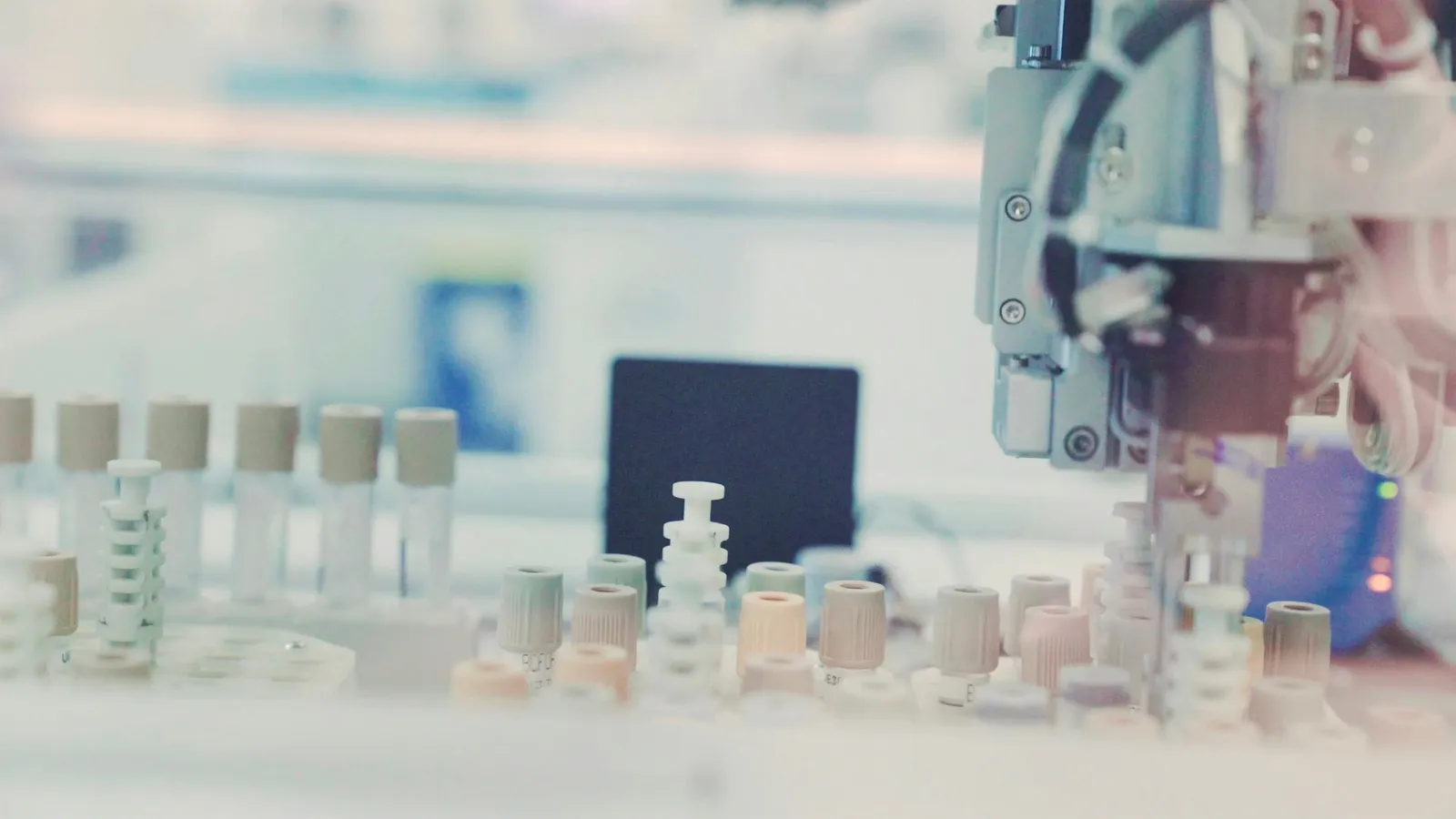
GLP-certified test facilities. India became a full member of the OECD's Mutual Acceptance of Data system on 3 March 2011, so safety data from Indian GLP labs is accepted across OECD countries (NGCMA). Contract research organisations and pharma, agrochemical and chemical companies run many of these labs.
Industry is the biggest employer in the Society of Toxicology's figures: 47% of toxicologists work there, against 21% in academia, 14% in government and 12% in professional services (Society of Toxicology). Pharmacology overlaps heavily; see our guide to what pharmacologists do and the routes in.
The methods are also changing. In March 2023 India amended the First Schedule of its New Drugs and Clinical Trials Rules on the use of induced pluripotent stem cells and additional testing methods (CDSCO). Cell culture, data analysis and computational skills are worth picking up early.
How do you start in Class 11 or 12?
Keep chemistry and biology equal. Toxicology lives where they meet: how a molecule's structure decides what it does to an enzyme or a cell. When a topic like enzyme action or reaction rates feels shaky, the Fermi Concept Library has a lesson for every concept in chemistry and biology, with its place in the map, so you can see how they connect.
Get comfortable with logs. Dose-response curves use log scales, so practise reading log axes until a tenfold step feels natural.
Choose a degree that keeps both sciences. Check each college's syllabus for a toxicology or pharmacology paper.
In college, chase lab time. Short-term training at a CSIR or ICMR lab, or a summer project with a professor, matters more than another certificate.
Try sketching a dose-response curve for yourself: if working out its ED50 feels interesting rather than dull, toxicology deserves a closer look.