On this page
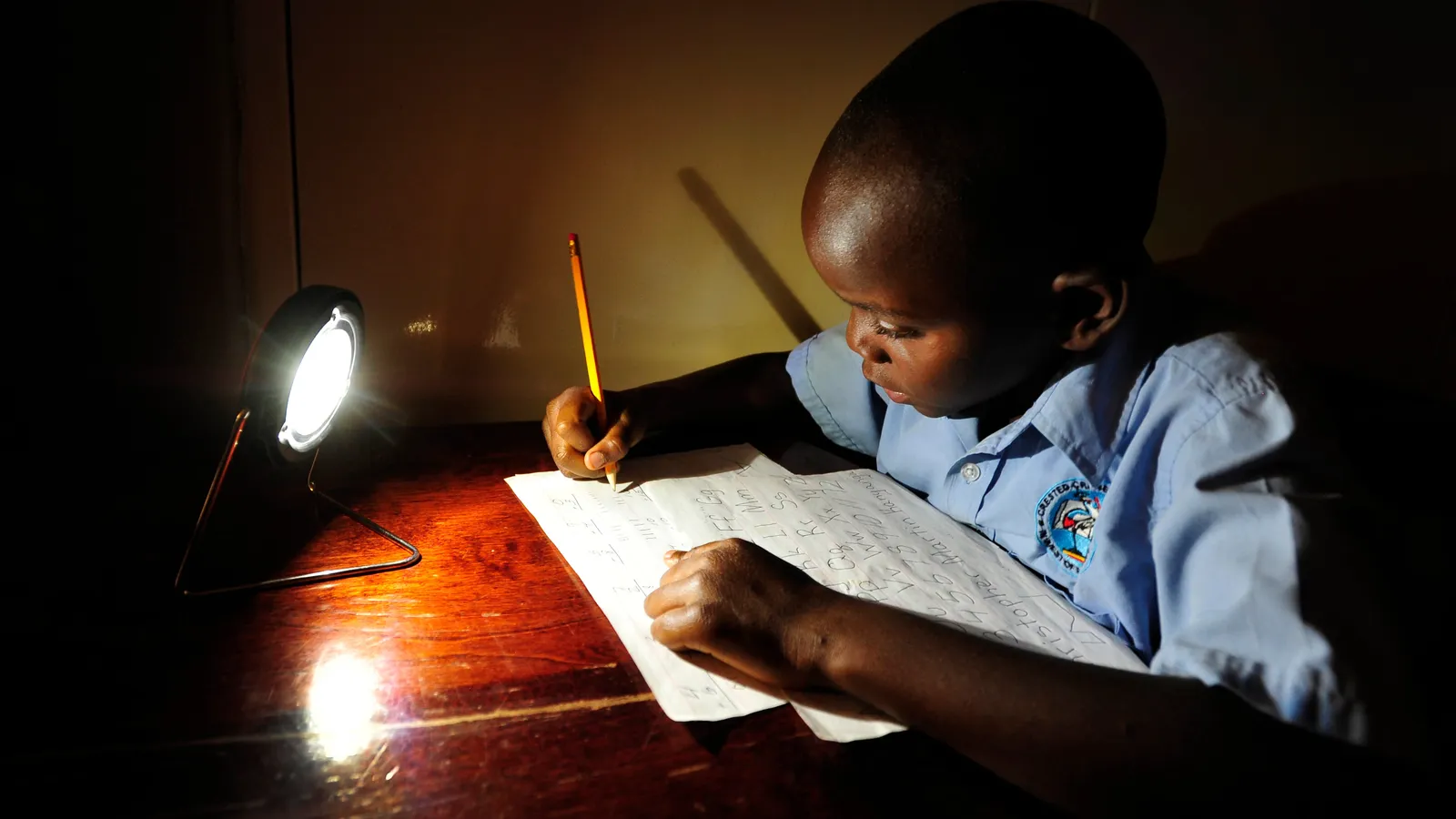
The lights go off at 7 pm, or your phone shows one bar and the lecture keeps buffering. If you prepared earlier, that evening still counts. The fix is a small offline kit you build while the internet works, so that when it stops you already know what to open, what to solve and what to save for later.
What should go in an offline study kit for JEE or NEET?
Think of it in four layers, from most important to least.
Textbooks on your device. NCERT's ePathshala app lets you download textbooks and read them offline, as many books as your device can hold, according to NCERT's ePathshala brochure. Download the chapters you are studying this month, not the whole library.
Downloaded lectures. On Wi-Fi, download next week's lectures in whatever app you already use, then open one in airplane mode to check it really plays. For a free option, SATHEE is a Ministry of Education initiative with IIT Kanpur that offers free JEE and NEET guidance, and it also has channels on the free SWAYAM Prabha DTH service. A TV with power can still reach these when mobile data does not.
Paper question banks. Print or copy out past papers and chapter-wise question sets with the answer key on a separate sheet. Paper does not need charging.
Simple tools. A one-page formula sheet per chapter, an error notebook, a basic watch or timer, and a charged rechargeable lamp or power bank kept in one fixed place.
Is studying offline as good as watching lectures?
For practice, often yes. In Roediger and Karpicke's 2006 study, students who took recall tests on prose passages remembered substantially more 2 days and 1 week later than students who reread them the same number of times, even though rereading made students feel more confident. (On a test 5 minutes later, rereading did better; the gain from testing showed up days later.)
A 2013 review by Dunlosky and colleagues rated ten study techniques and gave its highest rating to two: practice testing and distributed practice (spreading study out over time). Rereading and highlighting were rated low utility.
So an hour with a printed question sheet and no signal is not second-best. It is the kind of study that research rates highly. A good warm-up is to write down everything you remember about a chapter before you open the book, as in our guide to the blurting revision method.
How do you plan ahead for power cuts and weak internet?
Do a 20-minute "offline prep" every Sunday evening while you have power and signal. The aim is that offline time goes to practice testing, which the Dunlosky review rated highly, not to hunting for material.
Look at next week's timetable and mark every topic that needs a video or an online test.
Download those lectures and test that each one plays offline.
Print or write out one question set per subject for the week, with answers kept separate.
Charge the power bank and the lamp, and put them next to the printed folder.
Write tonight's "if the power goes" task on the top sheet, so you do not waste the first ten minutes deciding.
What can you study in a two-hour power cut?
Here is a worked plan for a Class 12 student doing the Electrostatics chapter, built around self-testing, the kind of recall practice that helped students in Roediger and Karpicke's study remember more days later:
First 10 minutes: blurt the chapter on paper: formulas, key ideas, one diagram.
Next 60 minutes: solve a printed set of mixed questions with the timer running and the book closed.
Next 30 minutes: check against the separate answer key and mark each mistake as concept, method or careless.
Last 20 minutes: copy every question you could not crack onto a "stuck list" for when the internet is back.
If the cut is longer, or happens every day at the same hour, build it into your timetable using our study plan for power cuts.
What should you do when the internet comes back?
Open your stuck list first, before any new video. For questions where the method went wrong, the Fermi Problem Library has a step-by-step solver that explains the reasoning rather than printing an answer, so you can see where your attempt went off track. For gaps in an idea, such as electric flux or Gauss's law, the Fermi Concept Library has a lesson for each concept in physics, chemistry, biology and mathematics.
Then restock the kit: download the next set of lectures and print the next set of questions. If you are curious about AI help that runs without signal, read our guide to offline AI models for students before installing anything.
Tonight, pick one chapter, print one question set and charge one lamp. That is enough to start your kit.