On this page
You have the admission letter. Now one short conversation stands between you and the flight: an F-1 interview for the US, or possibly a credibility interview, usually by video, for the UK. The officer wants to know whether your story holds together.
What does the visa officer actually decide?
Under US law, every applicant "shall be presumed to be an immigrant" until they satisfy the consular officer otherwise (8 U.S.C. 1184(b)). The burden is on you.
The US government's Study in the States site lists five things to prepare: proof of admission to an SEVP-certified school, proof that you can pay school and living costs in the amount shown on your Form I-20, proof that you are academically ready (test scores, transcripts, certificates), confirmation that your stay is temporary, and how you will use the degree when you return home.
In the UK, the University of Sheffield explains that the officer must be satisfied that you are a genuine student and that your English is at the right level, and the questions may cover your finances, your academic history, your intention to study and your personal background.
What questions are asked in a student visa interview?
The University of Huddersfield lists the topics UK officers cover, including your education, your course, why this university, your funding and your career plans. Questions can sound like this:
Your course: What will you study? Why this subject? What will you learn in the first year?
Your university: Why this university? Which others did you apply to?
Your past studies: Which board? How did you do in Class 12?
Your funding: Who is paying? What do your parents do? What does the first year cost?
Your plans: What will you do after graduating?
Huddersfield's advice is to "give detailed, genuine answers rather than short or rehearsed responses" and to make sure your answers are consistent with your visa application.
Which documents should you carry?
For a US F-1 interview, Study in the States says you are expected to have the original Form I-20, signed by you and the school's official, and by your parents if you are under 18. The I-901 SEVIS fee is $350 for F-1 applicants. Wesleyan University's F-1 checklist is a typical example of what to bring, with the academic papers from the Study in the States list added:
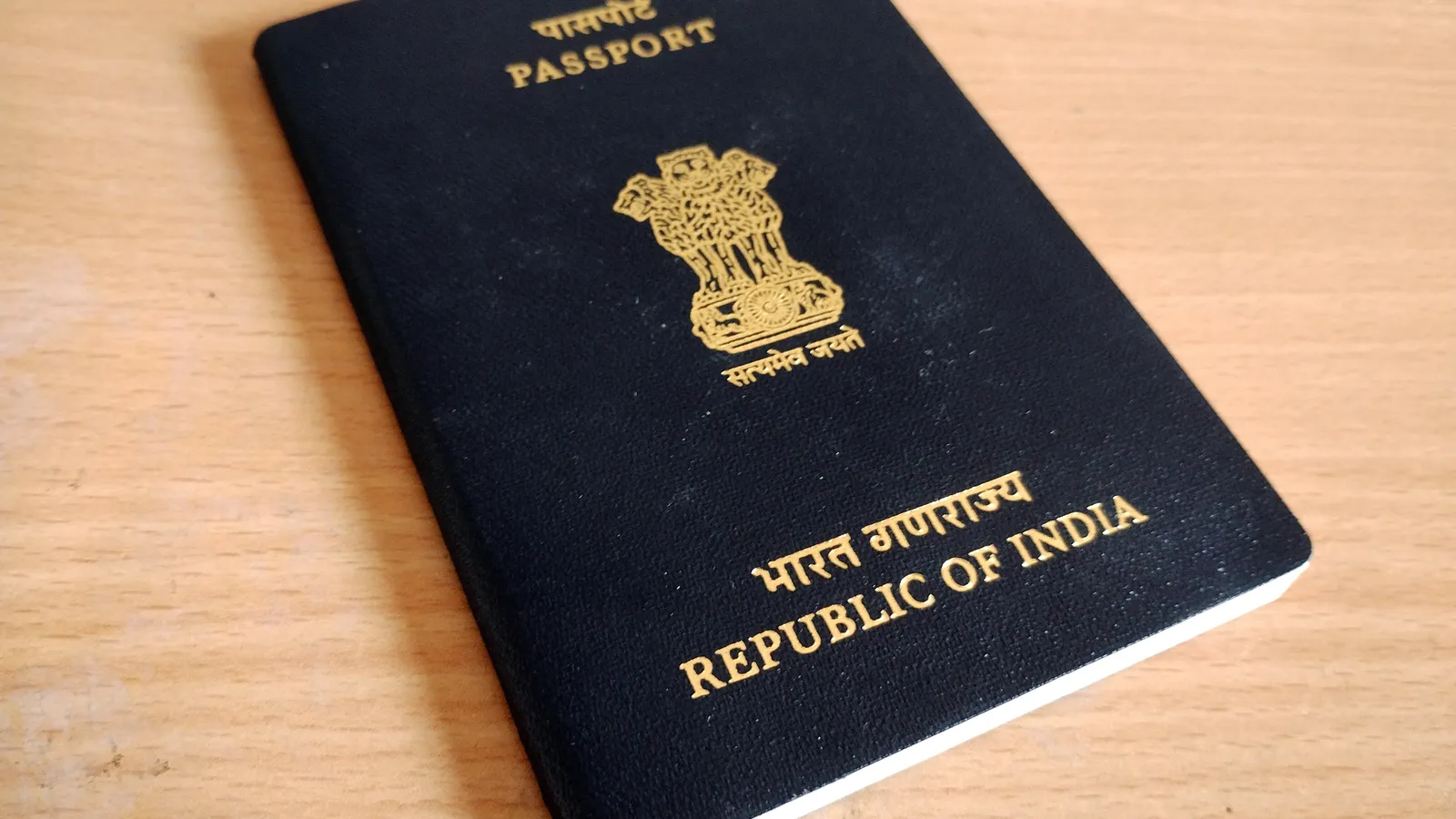
Passport, valid for at least six months beyond your date of travel
DS-160 confirmation page with your application ID (submit the form at least 48 hours before the interview)
Original Form I-20 and your admission letter
SEVIS fee receipt
Proof of funds: scholarship or aid letter, or a letter of support from your family, plus the bank statements or education loan sanction letter behind it
Class 10 and 12 mark sheets, test scores and certificates
Evidence that you plan to return, such as family ties, property, or a plan to work in India
For the UK, GOV.UK says you need £1,529 a month for courses in London or £1,171 a month elsewhere for living costs, for up to nine months, held for at least 28 days in a row. If a university asks for certified or apostilled copies, our guide to apostille and document legalisation covers how that works.
In June 2025 the US Embassy in India asked F, M and J applicants to set their social media accounts to public for vetting.
How do you explain your study plan and funding clearly?
Use a four-part answer: what you will study, why this course and university, how it is paid for, and what next. A worked example for a CBSE student going to study physics in the US:
"I'm going to study physics at [university]. I liked mechanics and optics most in Class 12, and this programme lets undergraduates join research labs from the second year. My first year costs the amount on my I-20. My father is paying part from savings and the rest is an education loan from [bank]; I have the sanction letter here. After graduating I want to work in India's space or electronics sector."
Every sentence points to a document in your folder. Work out the real cost first; our guide on estimating the cost of living abroad shows how.
Expect a follow-up about your subject. A few lectures in your field on Fermi Courses, university-level courses taught by working scientists, give you real things to talk about.
How should you practise in the last two weeks?
Check your four-part answer against your I-20 and DS-160 and fix any mismatch.
Do three mock interviews with a friend or parent asking the questions above in random order. Our guide to practising interview answers with a friend has a simple format.
Put your documents in one folder, in checklist order.
On the day, answer in your own words, and ask the officer to repeat anything you didn't follow.
Write your four-part answer tonight; the rest is bringing the papers that prove it.