On this page
If you are filling choices after JEE Main or reading a state counselling list, you will see Automobile Engineering sitting next to Mechanical. The names sound close because the degrees are close. The useful question is where they split, and whether that split suits you.
What is the difference between automobile and mechanical engineering?
Mechanical engineering is the broad branch: it covers machines of every kind. Automobile engineering keeps most of that core and then narrows the later semesters to one machine, the road vehicle.
You can see this in two programmes run by the same college. Sri Venkateswara College of Engineering, an autonomous college affiliated to Anna University, publishes both its B.E. Automobile Engineering curriculum and its B.E. Mechanical Engineering curriculum under Regulations 2022. First-year courses such as Engineering Physics, Engineering Chemistry and Engineering Materials are marked as common to both branches. Both programmes give the whole eighth semester to project work worth 10 credits.
What do you study in automobile engineering?
Here is how those two programmes compare from the third semester on, using the curricula linked above. Other colleges will differ, so treat this as a worked example, not a national standard.
Shared ground, under similar names in both:
Thermodynamics, fluid mechanics and thermal engineering
Mechanics of solids or materials
Design of machine elements and transmission systems
Manufacturing and computer-aided design work
Core courses only in the automobile programme:
Automotive Engines, and Automotive Fuels and Lubricants (semester III)
Automotive Chassis Components, and Automotive Electrical, Electronics and Microcontroller Systems (semester IV)
Automotive Transmission (semester V) and two vehicle maintenance laboratories (semesters IV and V)
Hybrid and Electric Vehicles, with Electric Vehicle Laboratory I and II (semesters VI and VII)
Vehicle Dynamics, and Artificial Intelligence for Automotive Applications (semester VII)
Core courses only in the mechanical programme:
Heat and Mass Transfer as a full course, with a heat transfer, refrigeration and air-conditioning lab (automobile covers it inside Thermal Engineering and Heat Transfer)
Hydraulics and Pneumatics for Automation
Metrology and Quality Control
Industrial Robotics, Digital Manufacturing and Computer Aided Engineering
The split is not total. The mechanical curriculum's list of professional electives includes Automobile Engineering and Electric and Hybrid Vehicles, so a mechanical student there can still pick up some vehicle courses.
The physics underneath, meaning thermodynamics, mechanics and fluids, is the same in both. If those topics feel shaky from Class 11 and 12, fix them early, because every later course builds on them. The Fermi Concept Library has a lesson for every concept in physics and mathematics, so you can patch one gap, such as the first law of thermodynamics, before your first semester starts.
How are electric vehicles changing automobile engineering?
The International Energy Agency's Global EV Outlook 2026 announcement reports that electric cars were 25% of new cars sold worldwide in 2025, with sales above 20 million. The IEA expects close to 30% in 2026.
India is moving at different speeds in different vehicle types. The IEA's chapter on electric cars says India's electric car sales rose 75% in 2025 to 165,000, nearly 4% of all cars sold. Its chapter on other EV modes says electric models took almost 70% of India's three-wheeler sales in 2025.
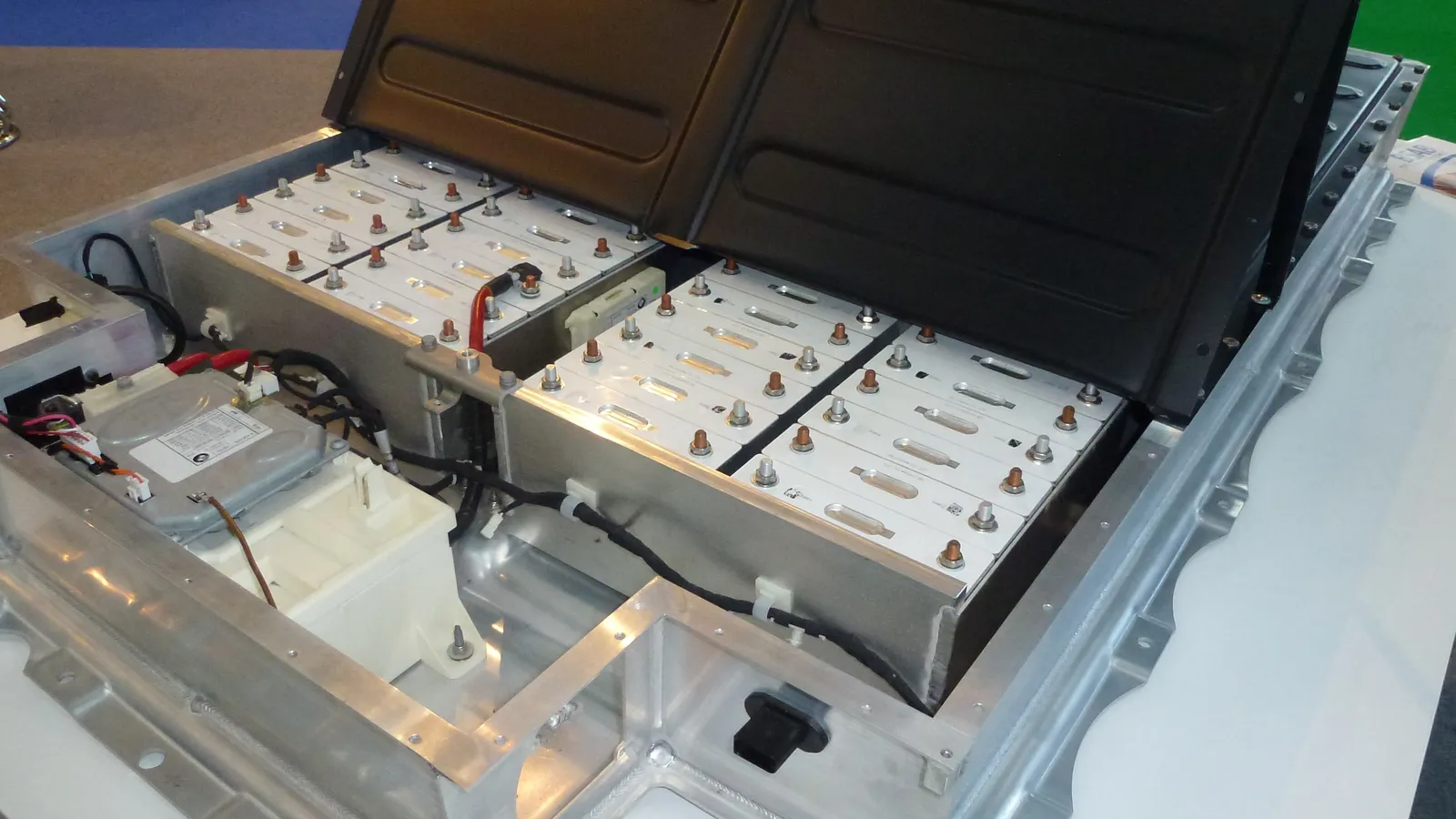
For a student, this means an automobile degree now carries a lot of electrical work. In the curriculum above, a microcontroller course arrives in the fourth semester, and the hybrid and EV course and two EV labs sit beside engines and gearboxes. Expect batteries, motors and electronics to be a growing part of the work.
Automobile or mechanical: which should you choose?
Run through these five checks before you lock a choice:
GATE plans. GATE 2027 has 30 test papers, and none of them is for automobile engineering. The nearest fits are Mechanical Engineering (ME), Production and Industrial Engineering (PI) and the new Robotics and Automation (RA) paper, so read the syllabus and eligibility for the one you would sit.
Interest. If you already take apart bike engines and want to work on vehicles specifically, automobile suits you. If you like machines in general, or are unsure, mechanical keeps more doors open.
College versus branch. A strong college with a mechanical seat can beat a weaker one with an automobile seat; our guide on whether college or branch matters more in counselling walks through the trade-off.
Escape routes. Read how branch change after first year works, and how a minor degree in another branch or vehicle electives can add electronics or EV courses to a mechanical degree.
Labs. Ask whether the college has a working engine lab, chassis lab and EV lab, not just course names on paper.
A short script for a senior or a faculty member at the college: "Which electives did your batch actually get, which labs did you use every week, and what did final-year projects work on?"
Next step: put the two curricula from each college on your list side by side and mark the courses only one branch has.