On this page
Nearly three in ten Indian middle-school students take private coaching. The Ministry of Statistics' Comprehensive Modular Survey: Education 2025 found that 29.6% of students at the middle level were taking, or had taken, private coaching in the current academic year. The real question is which format suits your child.
Does online tuition work for a Class 8 child?
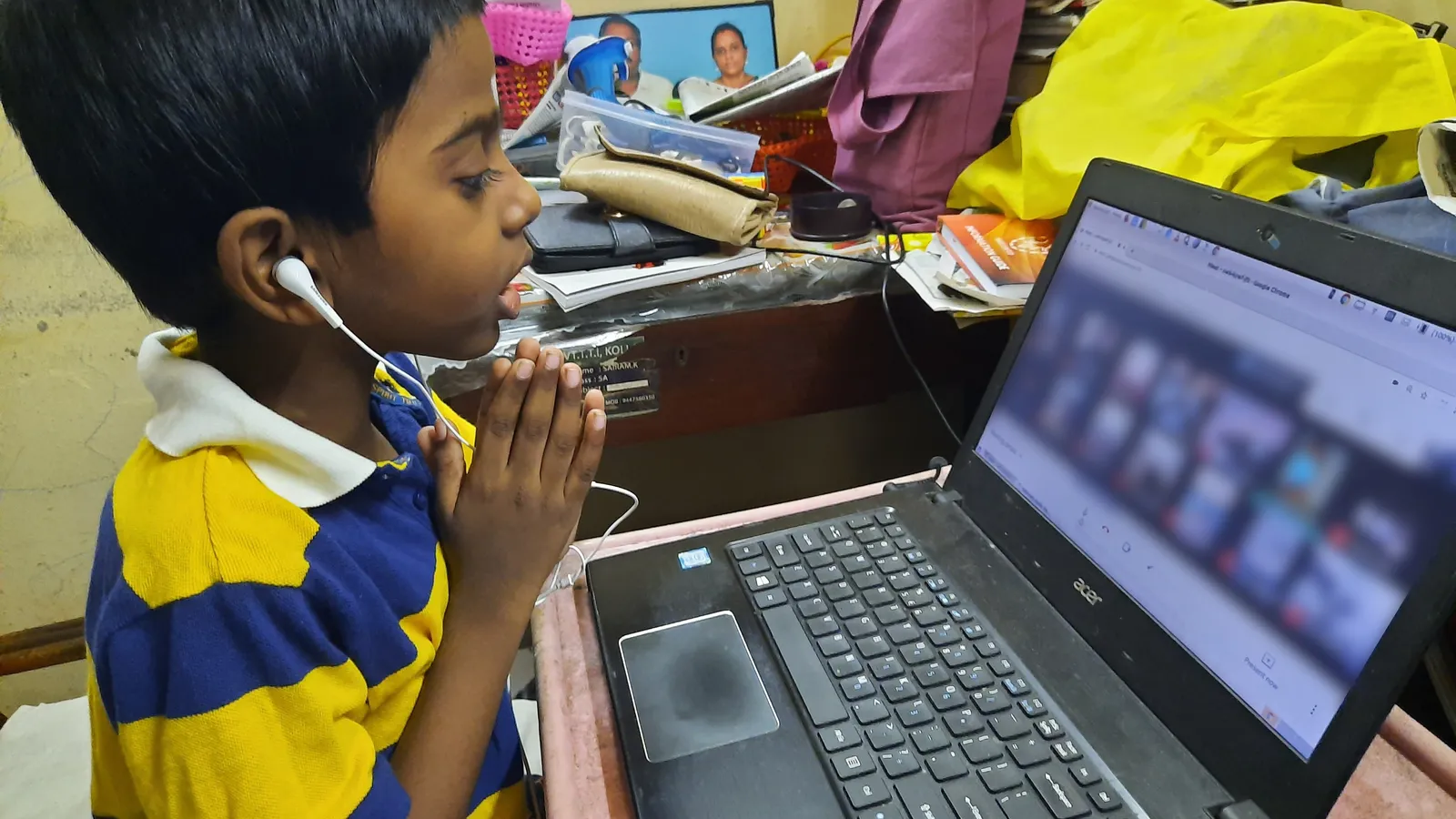
It can. Michela Carlana and Eliana La Ferrara ran a randomised trial in Italian middle schools, published in the American Economic Review in 2025, in which volunteer university students tutored disadvantaged children entirely online. Three hours of one-to-one tutoring a week raised maths scores by 0.22 standard deviations in 2020 and 0.20 in 2022. A higher dose of tutoring gave stronger effects, and group tutoring gave smaller ones.
Tutoring in general has a strong record. A 2020 review of tutoring experiments by Andre Nickow, Philip Oreopoulos and Vincent Quan found a pooled effect of 0.37 standard deviations, and tutoring by teachers and paraprofessionals did better, on average, than tutoring by non-professionals or parents.
One caution: the school closures of 2020 and 2021 were not a fair test of online tuition. A meta-analysis of 42 studies across 15 countries found that children fell behind during the pandemic, more in maths than in reading. That was whole school days moved online in a hurry, not one chosen tutor for an hour. The teacher, the group size and whether your child is engaged are likely to matter more than the screen itself.
What should you compare apart from fees?
Attention. Video calls tire people in specific ways. Stanford researcher Jeremy Bailenson proposed four causes of video-call fatigue: close-up eye contact, seeing yourself all the time, staying stuck in one spot, and the extra effort of sending and reading signals on a screen (plain summary of the paper). His suggested fixes are easy to try with a 13-year-old: hide self-view, keep the window smaller than full screen, and set up so there is a little room to move. If other tabs are the real problem, read what to do when your child opens YouTube during an online class.
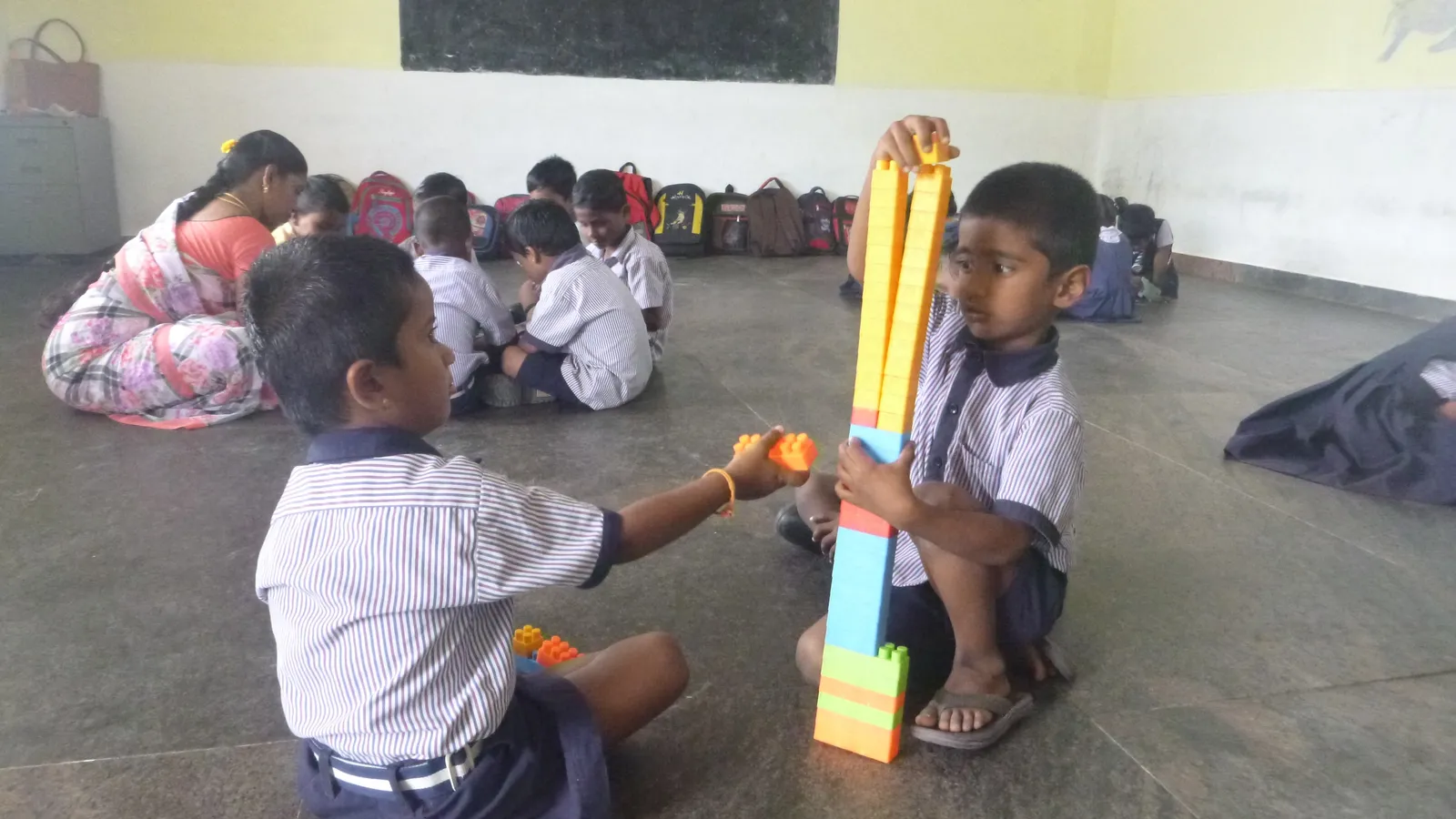
Offline has its own traps: the back bench in a big batch, and arriving tired.
Travel time. Count door to door, both ways. A worked example: a centre 25 minutes away, three classes a week, means 150 minutes on the road every week, or nearly 11 hours a month. Ask what that time would otherwise go to: sleep, play or homework. Travel is not all waste, though: it can separate home from class.
Teacher interaction. The Italian trial gives one clue here: group tutoring had smaller effects than one-to-one. Sit in on one class of each and count how many times your child is asked a question or explains something aloud. A small online group where the tutor hears your child every few minutes can beat a crowded offline batch. A warm offline teacher who notices a confused face can beat a video call with 30 tiles on the screen.
How do you run a two-week trial of each?
Pick one subject, usually maths, and ask both tutors for a short trial. You can say: "We would like to try two weeks before we commit. Can we pay for those classes only and decide after that?"
Run one format for two weeks, then the other for two weeks, on the same days and at the same times.
After every class, fill a short log: travel minutes, how often your child spoke, energy before and after on a scale of 1 to 5, and one thing they learned.
Twice a week, ask your child to teach you one idea from class in two minutes. Note whether they can.
At the end of each fortnight, look at school homework in that subject. Is it getting easier, or is it still a fight?
Ask your child which they preferred and why, before you share your own view.
How do you decide at the end of the trial?
Put the two logs side by side:
Choose online if attention held after the screen fixes, the commute would eat into sleep or homework, and the tutor talked with your child rather than at them.
Choose offline if your child drifted on screen even after the fixes, or needs a separate place to concentrate.
If both looked similar, pick the one your child preferred. They will go more willingly.
If neither helped, the problem may be a gap in basics or simply too many classes. This guide on how to judge each tuition and drop the overlap can help.
Whatever you choose, your child will still study alone between classes. If they sit down and do not know where to start, Fermi's AI tutor can work out what they already know and build a plan for the session, so they begin with a clear next step.
Review the choice after one term, and keep your child in the conversation. If they later want to stop, here is how to decide about quitting tuition together.