On this page
Many Indian families make the same quiet decision at the start of Class 10 or Class 12: the child studies, and everyone else does everything else. But a year with no jobs at home can leave a teenager with fewer breaks from the desk, less sense of being part of the household, and a shock when hostel or college life arrives. A small, fixed amount of housework works better than all or nothing.
Should my child do chores during board exam year?
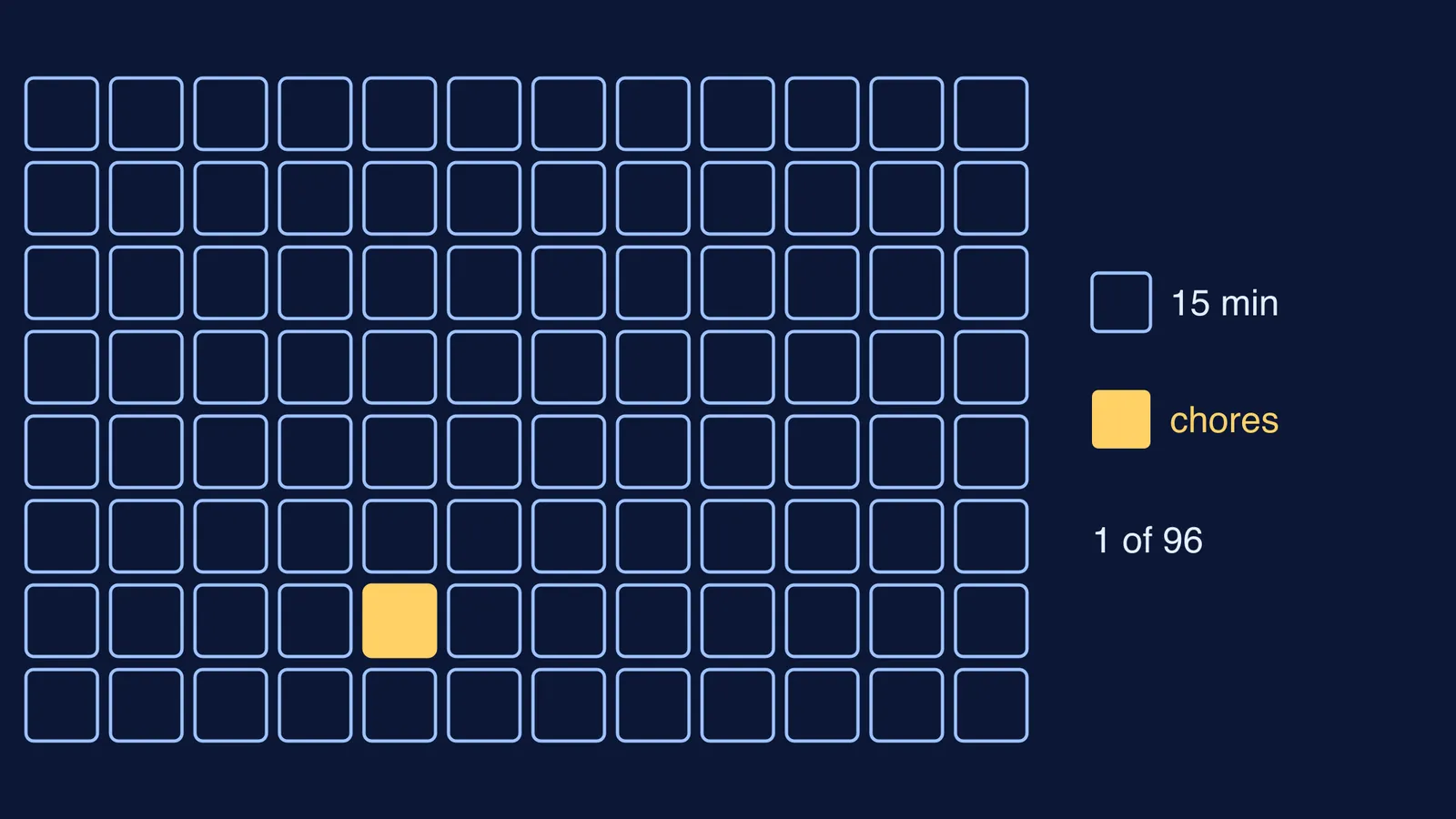
Yes, but keep them short, predictable and away from the hours that matter most. The aim is not a clean house. It is to give your teen a few minutes each day of moving, finishing something real and being useful to the family.
Exam days are the exception: on the day before a paper and on the day itself, the list drops to zero.
What does research say about teens and chores?
The most relevant study for this age group looked at teenagers, not small children. In a daily-diary study of 752 adolescents aged 14 to 15 from an ethnically diverse sample, Eva Telzer and Andrew Fuligni found that helping the family was generally not stressful. Helping was linked to more happiness, and the study's summary ties this largely to the sense of role fulfilment that helping gave them.
Two studies of younger children point the same way. A US analysis of 9,971 children found that doing chores more often in kindergarten was associated with higher self-rated social, academic and life-satisfaction competence in third grade. An Australian survey of 207 parents of children aged 5 to 13 found that self-care and family-care chores, such as making a meal, predicted better working memory and inhibition.
These studies show associations, not proof that chores cause better outcomes, and none was run on Indian board students. But none suggests that a little help at home does harm.
Why can excusing every chore backfire?
The desk never ends. The WHO guidelines say children and adolescents should average at least 60 minutes a day of moderate-to-vigorous physical activity across the week, and limit time spent sitting. A board-year timetable rarely leaves room for that. Carrying groceries up the stairs or sweeping a room is not a workout, but it does get your teen off the chair.
The message changes. "You only need to study" can quietly become "you are only your marks". After a bad mock test, a teen with no other role at home has nothing else to feel good about that day.
Skills slip. Some students move to a hostel or PG the year after boards. A teen who has not made tea, done laundry or cleaned a room for a year starts college behind.
Resentment builds. Siblings and parents who absorb every job can start keeping score.
What is a 15-minute board-year chore list?
Pick three jobs of about five minutes each, tied to times your teen already stops studying. Swap items to suit your home.
Morning: make the bed, open the windows, fill water bottles for the day.
After lunch or school: clear and wipe their own plate and the table, or fold one load of dry clothes.
Evening break: one job for someone else, such as making tea for a parent, chopping vegetables for dinner or watering the plants.
Rules that keep it working:
The same three jobs for a month, so nobody negotiates every day.
A timer. When it rings, the job is done even if it is not perfect.
Nothing on the day before an exam or on exam days, and a lighter list during pre-boards.
Never chores as punishment for marks. That turns them into a scoreboard.
For more ideas, our guide to age-appropriate household chores for Indian kids covers teenagers too. You can also write the list into a family agreement for the board year, alongside screen time and sleep.
How do you bring it up without a fight?
Talk at a calm moment, not right after a test. You could say:
"We know this year matters, and we are going to protect your study time. We'd still like you to do three small jobs a day, about fifteen minutes in total, because you are part of this house and it's good for you to get up from the desk. You choose two of the three. On exam days, nothing."
Then let your teen pick, and review it together after two weeks.
Protect the evening too: sleep matters more than any chore, so read how sleep after studying affects memory before you schedule anything late. If your teen sits down to study and does not know where to begin, Fermi's AI tutor can work out what they already know and build a plan for the session.
If your child seems persistently low, anxious or overwhelmed, a chore list will not fix that. Talk to their doctor or school counsellor, or call Tele MANAS on 14416, the government's free, 24/7 mental health helpline.