On this page
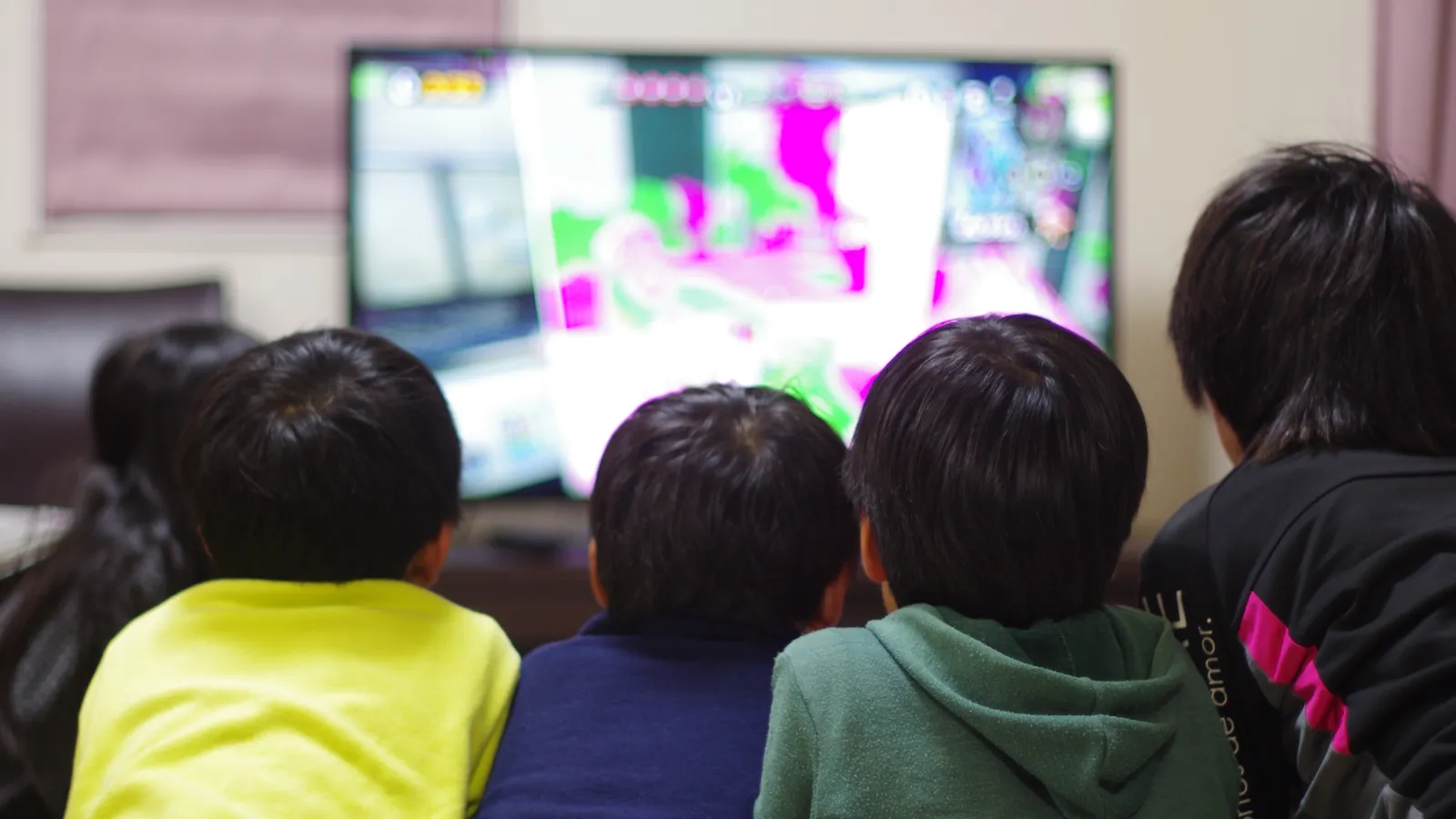
Your child finishes homework, opens YouTube and spends the evening watching a stranger build, race or fight in a game they could be playing themselves. It looks like the least useful screen time there is, but the reasons it holds attention also show you how to set limits that stick.
Why do kids watch other people play games for hours?
Researchers Max Sjöblom and Juho Hamari surveyed 1,097 users of Twitch, a game live-streaming site, about why they watch others play (Computers in Human Behavior, 2017). They were general users, not only children.
They found that seeking information was linked to more hours watched and to following more streamers (abstract). Wanting to release tension, to feel part of a group and to feel excitement were also linked to more hours watched.
In a child's life, that usually looks like this:
Learning: picking up tricks, routes and strategies they want to try.
Unwinding: after a long school day, watching asks for less effort than playing.
Belonging: the streamer's jokes and the chat are what classmates talk about the next day.
Excitement: close matches and big reactions, without the risk of losing.
Add a feed that always has another video ready, and there is no natural point to stop.
Does autoplay make kids watch longer?
A study at the University of Washington gave preschoolers in 24 homes a video app that, in one version, automatically played more videos after the ones they had planned to watch (Hiniker and colleagues, CHI 2018). That autoplay version lengthened viewing time, made children less likely to stop on their own and led to parents stepping in more often. The children were young, but the lesson carries over: remove stopping points and stopping gets harder. We look at the same problem with short clips in how short videos affect a child's attention.
Settings to change today, from YouTube Help:
On a phone or tablet: tap your profile picture, then Settings, then Autoplay, and switch it off.
On a computer: open any video and turn off the Autoplay switch at the bottom of the player.
Check that your child's account has their real age. YouTube says autoplay is off by default for users aged 13 to 17, and a parent can turn it off for a supervised account.
Turn on the break reminder: profile picture, Settings, General, then Remind me to take a break (YouTube Help). It is on by default for users aged 13 to 17.
How much gameplay watching is too much in a week?
We found no official limit for gameplay videos specifically, so build the cap around what comes first: sleep, school, homework, family meals and time outdoors. Then agree a weekly budget together, so your child owns it, and give every slot a clear end, since the autoplay study found that removing the stopping point extended viewing.
A worked example for a 12-year-old in a school week:
Three weekday slots of 30 minutes, after homework and never after dinner.
One 90-minute slot on Saturday or Sunday.
That makes 3 hours a week. Holidays can go higher, agreed in advance.
Each slot has an ending you can see: two videos, or one match. Not "until I'm done".
On Sunday evening, spend five minutes asking what worked, then adjust.
What you might say: "I'm not against you watching. I want it to fit around sleep and school. Let's decide together how much each week, and you can choose when."
How can you turn watching games into making something?
1. Build a small game. Scratch is a free tool, first built at the MIT Media Lab, where children make their own stories, games and animations. Start by copying one thing from the game they watch: a jump, a timer or a score. A jump teaches real physics, because each frame gravity changes the upward speed by the same amount and the path curves. If they want to see why their jump feels floaty, the Fermi Simulation Lab has interactive simulations for ideas that are easier to see than to read. For older children, our guide to learning to code because of games covers next steps.
2. Make the commentary. Ask your child to record or write a three-minute guide to one level they know well: the goal, the hard part and the trick. Planning, cutting and explaining clearly is the skill behind a good school presentation. Keep it within the family at first. If they then ask to post it, read what to do when a child wants a YouTube channel.
When should you get help?
Talk to your child's doctor or school counsellor if watching keeps replacing sleep or school, if stopping leads to anger that does not settle, or if your child seems withdrawn. For free mental-health support by phone in India, call Tele MANAS on 14416 or toll-free 1800-89-14416 (Directorate General of Health Services).
This week, switch off autoplay, agree the budget together, and ask your child to show you one thing they learned from a streamer.