On this page
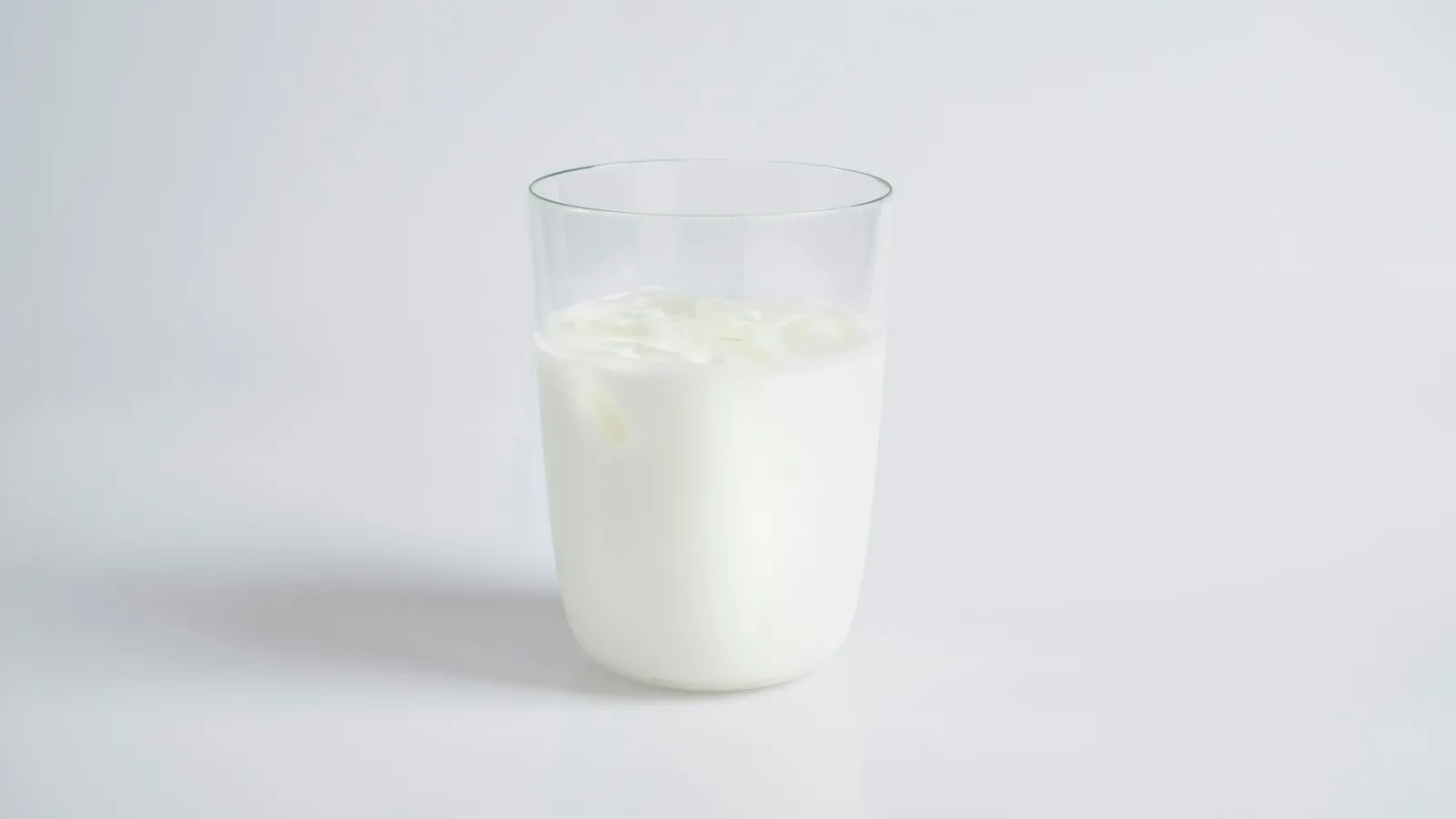
You drink a glass of milk at breakfast, and an hour or two later your stomach is rumbling, bloated or rushing you to the bathroom. Your friend drinks the same milk and feels nothing. The difference usually comes down to one enzyme, and how much of it your small intestine still makes.
What does lactase do to milk sugar?
Milk's main sugar is lactose, a disaccharide: two smaller sugars joined together. Your body cannot absorb lactose whole. It has to be split first.
Lactase is the enzyme that breaks lactose into glucose and galactose so they can be absorbed, according to MedlinePlus Genetics on the LCT gene. It is made by cells lining the small intestine and works at their brush border, the same surface you meet when you study how villi absorb food in the small intestine.
To see where lactase sits next to amylase, pepsin and lipase, read our guide to digestive enzymes in Class 10 biology.
Why does milk give some people a stomach ache?
Babies need plenty of lactase because milk is their whole diet. After infancy, most people gradually make less, a pattern called lactase non-persistence that MedlinePlus Genetics ties to falling activity of the LCT gene.
About 65 percent of the human population has a reduced ability to digest lactose after infancy, according to MedlinePlus Genetics.
When lactase runs short, the US National Institute of Diabetes and Digestive and Kidney Diseases (NIDDK) describes this chain:
Lactose passes through the small intestine without being split.
It reaches the colon, the large intestine.
Bacteria in the colon break it down and make fluid and gas.
In some people, that extra gas and fluid causes bloating, pain, rumbling or diarrhoea.
Step 3 is fermentation, the same kind of microbial chemistry that turns milk into curd with Lactobacillus. Here, though, the gas stays inside you.
NIDDK says symptoms usually appear within a few hours of having milk, and MedlinePlus Genetics puts the start at 30 minutes to 2 hours.
A 2019 review in the journal Gut by Benjamin Misselwitz and colleagues separates three terms that are easy to confuse. It also lists factors that affect how bad symptoms get, including the lactose dose, how much enzyme you make and the bacteria in your gut.
Is lactose intolerance common in India?
It is common, and it varies by region. A 2010 study in The American Journal of Clinical Nutrition by Janaki Babu, Uday Ghoshal and colleagues tested 153 healthy volunteers: 76 from southern India and 77 from northern India.
A lactose breath test was abnormal in 78.9% of southern and 57.1% of northern volunteers.
Symptoms after a lactose dose appeared in 47.4% of southern and 15.6% of northern volunteers.
The CC genotype at the lactase C/T-13910 site was found in 86.8% of southern and 67.5% of northern volunteers, and the authors concluded that genetic differences explained the gap.
Compare the first two lines: many people who did not fully digest lactose had no symptoms.
You may have seen a figure of 68% of adults worldwide. It came from a 2017 meta-analysis in The Lancet Gastroenterology and Hepatology that the journal retracted in January 2025, so we do not rely on it here.
How much milk can a lactose-intolerant person drink?
Research suggests that many people could have 12 grams of lactose, about 1 cup of milk, without symptoms or with only mild symptoms, according to NIDDK's diet guidance. The same page suggests small amounts of milk with meals, adding dairy back gradually, trying yogurt and hard cheeses, and lactase products.
If you suspect milk is the problem, a simple two-week milk diary turns a guess into a pattern:
Week 1: eat as usual. Each day, note what dairy you had, how much, whether it was with a meal, and any symptoms within a few hours.
Week 2: swap the plain glass of milk for half a glass with a meal, or for dahi. Keep noting symptoms.
Compare the weeks: did smaller amounts with food help?
Take the diary to a doctor rather than cutting dairy out on your own.
That last step matters. The Gut review notes that lactose is only one of several poorly absorbed carbohydrates that cause similar symptoms, so milk may not be the cause. NIDDK also suggests talking to a doctor or dietitian so you still get enough calcium. See a doctor promptly if symptoms are severe or do not settle.
How do you remember this for biology exams?
Draw it as a flowchart with two branches. Enough lactase: lactose is split at the brush border into glucose and galactose, which are absorbed. Low lactase: lactose reaches the colon, bacteria ferment it, gas and fluid follow. If you can explain both branches aloud, you understand enzyme specificity.
If enzymes and substrates are hard to picture, the Fermi Simulation Lab has interactive simulations for ideas that are easier to see than to read, and the Fermi Concept Library gives every biology concept its own lesson.