On this page
Not every bacterium makes you ill. Some are setting tonight's dahi, some are feeding pulse crops in a farmer's field, and some are breaking down peels in a compost pit. In ICSE Class 9 Biology this is the "economic importance of bacteria", and it becomes a straightforward answer once you can name one organism for each use.
What are useful bacteria in daily life?
The ICSE Class 9 Biology syllabus for 2026-27 lists the useful roles of bacteria as medicine (antibiotics, serums and vaccines), agriculture (the nitrogen cycle) and industry (curing of tea, tanning of leather), as quoted on this syllabus page. Two everyday examples, curd and decomposition, are worth adding, and NCERT's chapters cover both. That gives you five uses to learn:
Curd and other fermented foods
Nitrogen fixation in soil
Decomposition of dead matter and waste
Antibiotics
Industrial chemicals such as acids and enzymes
How do bacteria turn milk into curd?
Lactic acid bacteria (LAB) such as *Lactobacillus* grow in milk and turn it into curd, according to NCERT's Class 12 chapter Microbes in Human Welfare. As they grow, they make acids that coagulate and partly digest the milk proteins. The spoonful of old curd added to fresh milk is a starter that contains millions of LAB. The same chapter notes that this raises the vitamin B12 content, improving the curd's nutritional quality.
For the full kitchen science, read our explainer on how Lactobacillus turns milk into curd.
How do bacteria fix nitrogen for crops?
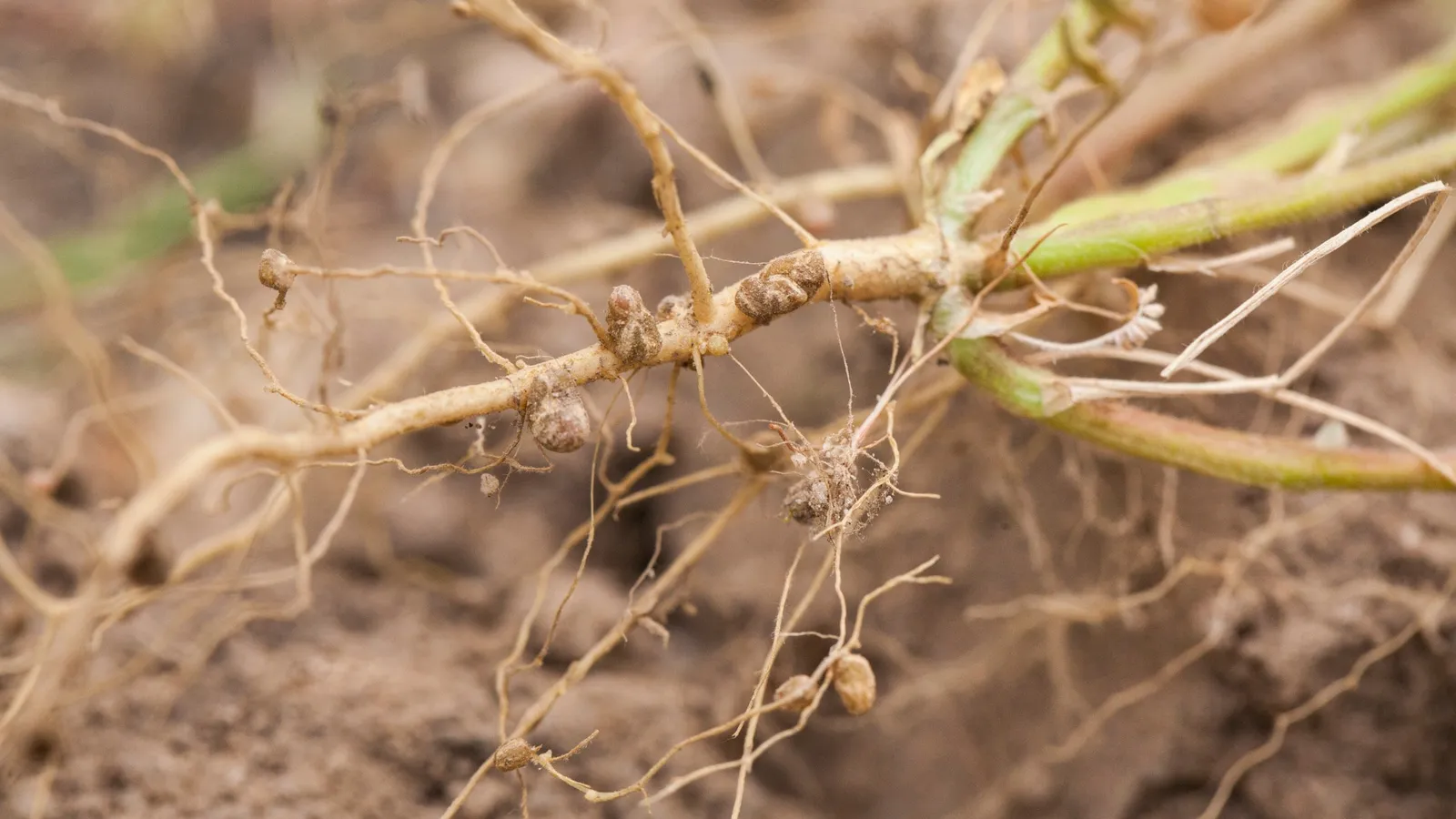
Plants cannot use the nitrogen gas in air directly. *Rhizobium* lives in the root nodules of leguminous plants and fixes atmospheric nitrogen into organic forms the plant can use, as NCERT's Class 12 chapter explains. *Azotobacter* and *Azospirillum* fix nitrogen while living freely in the soil, and cyanobacteria such as *Anabaena* and *Nostoc* serve as biofertilisers in paddy fields.
The syllabus also asks about nitrifying and denitrifying bacteria. They are easier to remember as stages of one cycle, which our post on the nitrogen cycle and the bacteria that run each step lays out.
Why are bacteria called nature's cleaners?
Bacteria break down organic waste such as vegetable peels, animal remains and faeces into harmless, usable substances, says NCERT's Class 8 chapter Microorganisms: Friend and Foe. The chapter suggests a test: put plant waste in one pot of soil and plastic items in another, then check after 3 to 4 weeks. The plant waste becomes manure; the plastic does not change, because microbes cannot act on it. The nutrients released can be used by plants again.
Which antibiotics and chemicals come from bacteria?
Streptomycin, tetracycline and erythromycin are common antibiotics made from fungi and bacteria, according to NCERT's Class 8 chapter. Streptomycin comes from a soil bacterium, *Streptomyces griseus*. By 1943 Albert Schatz, a PhD student in Selman Waksman's laboratory, had isolated it, and in 1944 it was shown to work against the bacterium that causes tuberculosis, according to Emerging Infectious Diseases. The first paper on streptomycin, by Schatz and Waksman with a colleague, appeared in 1944.
Bacteria also make useful chemicals on an industrial scale. NCERT's Class 12 chapter names *Acetobacter aceti* for acetic acid (vinegar), *Clostridium butylicum* for butyric acid and *Lactobacillus* for lactic acid. Streptokinase, made by *Streptococcus* and modified by genetic engineering, is used as a "clot buster" to remove clots from the blood vessels of heart-attack patients. Under industry, the ICSE syllabus also lists curing of tea and tanning of leather.
How do you write a 5-mark answer on useful bacteria?
A clear pattern is one point per line: role, bacterium, what it does, why it matters. Here is a full answer built that way:
Food: *Lactobacillus* turns milk into curd by producing lactic acid; curd also has more vitamin B12 than the milk.
Agriculture: *Rhizobium* in legume root nodules fixes atmospheric nitrogen, improving soil fertility.
Environment: decomposer bacteria break down dead plants and animals and return nutrients to the soil.
Medicine: *Streptomyces griseus* produces the antibiotic streptomycin, used against tuberculosis.
Industry: *Acetobacter aceti* produces acetic acid (vinegar).
Before the exam, check that you can:
Name one bacterium for each use without looking
Say which antibiotic comes from a fungus and which from a bacterium
Draw the nitrogen cycle and label fixing, nitrifying and denitrifying steps
Give one harmful role for each useful one, since the syllabus lists harmful roles (food spoilage, plant and animal diseases) right after the useful ones
If the nitrogen cycle will not stick, the Fermi Concept Library has a lesson for every biology concept and shows its place in the map, so you can see how fixation, nitrification and denitrification connect. For step-by-step practice, the Fermi Problem Library has worked problems with a solver that explains the reasoning.
Next, read how harmful bacteria spoil food and cause disease to finish the chapter.