On this page
Say "textile engineering" and most people picture sarees. The faster-moving part of the branch makes fabric you rarely notice: the airbag in a car, the mesh under a highway embankment, the gown a surgeon wears. This part is called technical textiles, and it now has its own government mission. For the syllabus itself, see our guide to what you study in the textile engineering branch.
What are technical textiles?
Technical textiles are "products, materials, and fibres that are used for their functional use rather than for aesthetic purposes", according to the IIT Delhi baseline study submitted to the Ministry of Textiles. The same study sorts them into 12 application segments: Agrotech, Buildtech, Clothtech, Geotech, Hometech, Indutech, Meditech, Mobiltech, Oekotech, Packtech, Protech and Sportech.
A few examples from the study make this concrete:
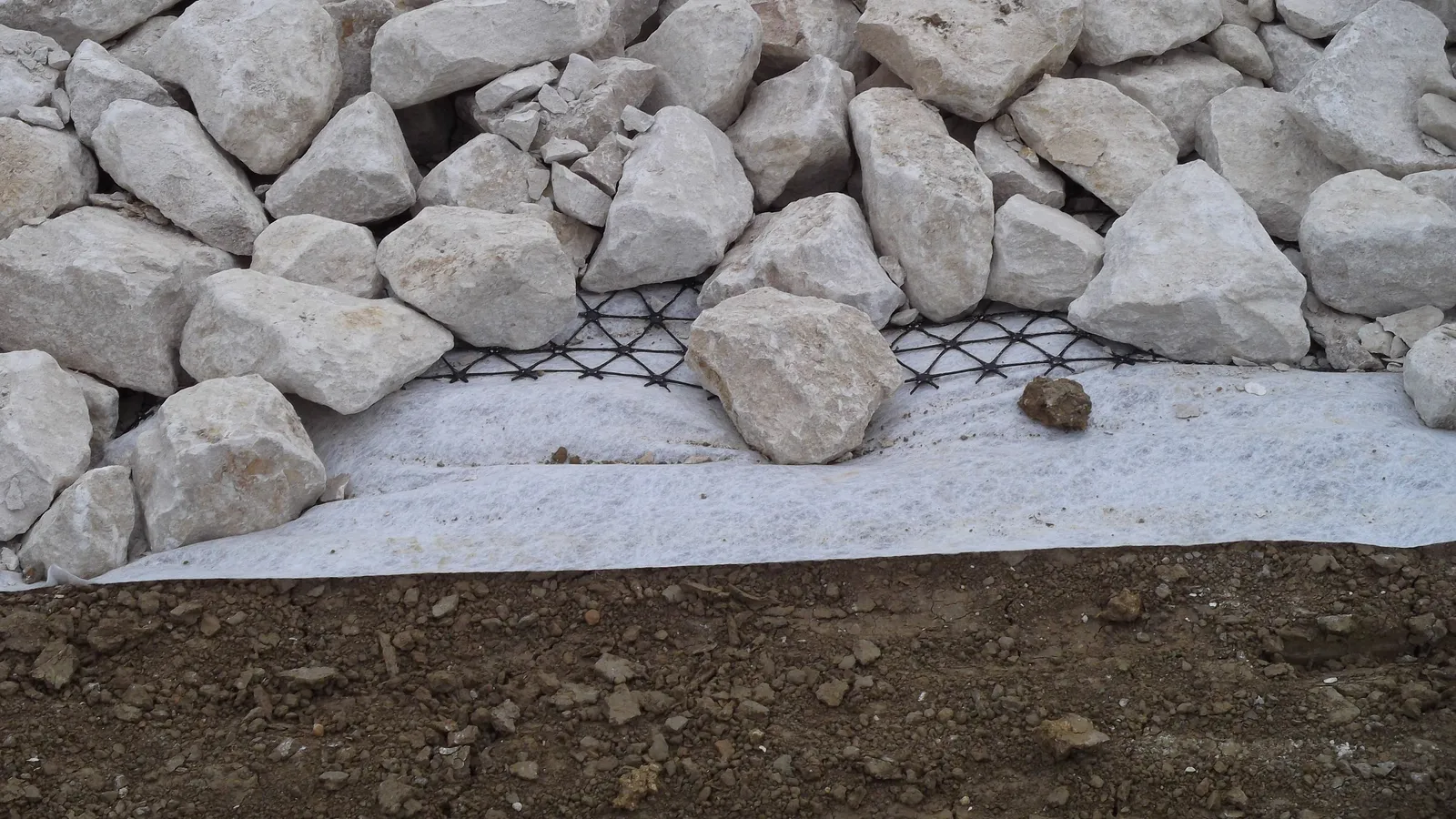
Geotech: geogrids and geocomposites in roads, railway tracks and embankments, for reinforcement, drainage and erosion control.
Mobiltech: seat belt webbing, airbags and nylon tyre cord.
Meditech: surgical gowns, masks, PPE kits and artificial implants.
Protech: protective gear for defence, fire services and police.
The study put India's technical textiles industry at US$18.89 billion in 2019-20, about 8.7% of the global market. Technical textiles made up 5-10% of textile use in India, against 30-70% in developed countries, a gap that suggests room to grow.
How many technical textiles jobs are there in India?
The IIT Delhi study estimated that the industry employed about 12 lakh people directly in 2019-20 and projected 14.78 lakh by 2024-25, assuming 4% growth a year. In its own survey of manufacturers, skilled workers made up 51% of the workforce, and 37% of firms had employees with formal textile education.
Government money has followed. The National Technical Textiles Mission began in 2020 with an outlay of ₹1,480 crore and aims to train 50,000 people, including undergraduate students. Its GIST 2.0 grant funds technical textiles internships for B.Tech students in their second to fourth year. The Ministry of Textiles' 2025 year-end review says 45 proposals from institutes, including IITs and NITs, were supported to start UG and PG programmes or papers in technical textiles. It also says the mission was extended until 31 March 2026; that date has passed, so check its current status.
What does a technical textiles engineer actually do?
The IIT Delhi study's review of job adverts shows a ladder of roles:
Floor managers and supervisors keep machines, workers and daily shifts running so orders finish on time.
Production and plant managers coordinate production, quality control and R&D, and make sure products meet standards.
R&D staff at textile research associations and centres of excellence work with material testing methods and standards, trace defects to their root cause and develop new products. These posts need a bachelor's and master's degree, and a doctorate is desirable for many.
For senior roles, adverts asked for degrees in textile technology, or electrical, chemical or mechanical engineering, a sign that the work draws on more than weaving. If the materials side pulls you, read our guide to polymer engineering courses and jobs; if dyes and finishes interest you more, see textile chemistry careers in dyeing and processing.
Who does the textile engineering branch suit?
The same study lists high attrition as a major concern: engineers and technologists trained for textiles "often leave for careers in IT services, data analysis and business management", which it links to the industry's inability to pay enough to keep them. Many of the roles in its list are based in plants and on factory floors rather than in offices.
The branch tends to suit you if most of these are true:
You like asking why a material behaves as it does: why one fabric stretches and another tears.
You enjoy labs, testing and fixing a process more than sketching new designs.
You are fine starting on a factory floor in your first years.
At least one segment (roads, hospitals, cars, safety, farming) genuinely interests you, because that is where you will specialise.
How can you test the fit before counselling?
Try this two-week plan with a parent:
Pick three technical textile products you have handled, such as a seat belt, a mask and a tarpaulin, and write the one property each must have: strength, filtration or water resistance.
Link each property to a Class 11 or 12 topic, such as elasticity or polymers, and spend an evening on each.
Check the course structure of two textile departments within your likely JoSAA range for technical textiles electives or labs.
Ask the department or a senior: "Which technical textiles electives and labs do you run? Which companies took interns last year? How many of last year's batch took core textile jobs?"
Compare the answers with the checklist above, together.
For step 2, the Fermi Concept Library has a lesson for every concept in physics, chemistry, biology, mathematics and computing, so you can check whether elasticity or polymer chemistry holds your interest before committing four years.
If the answers point towards yes, put the branch on your choice list with a clear reason.