On this page
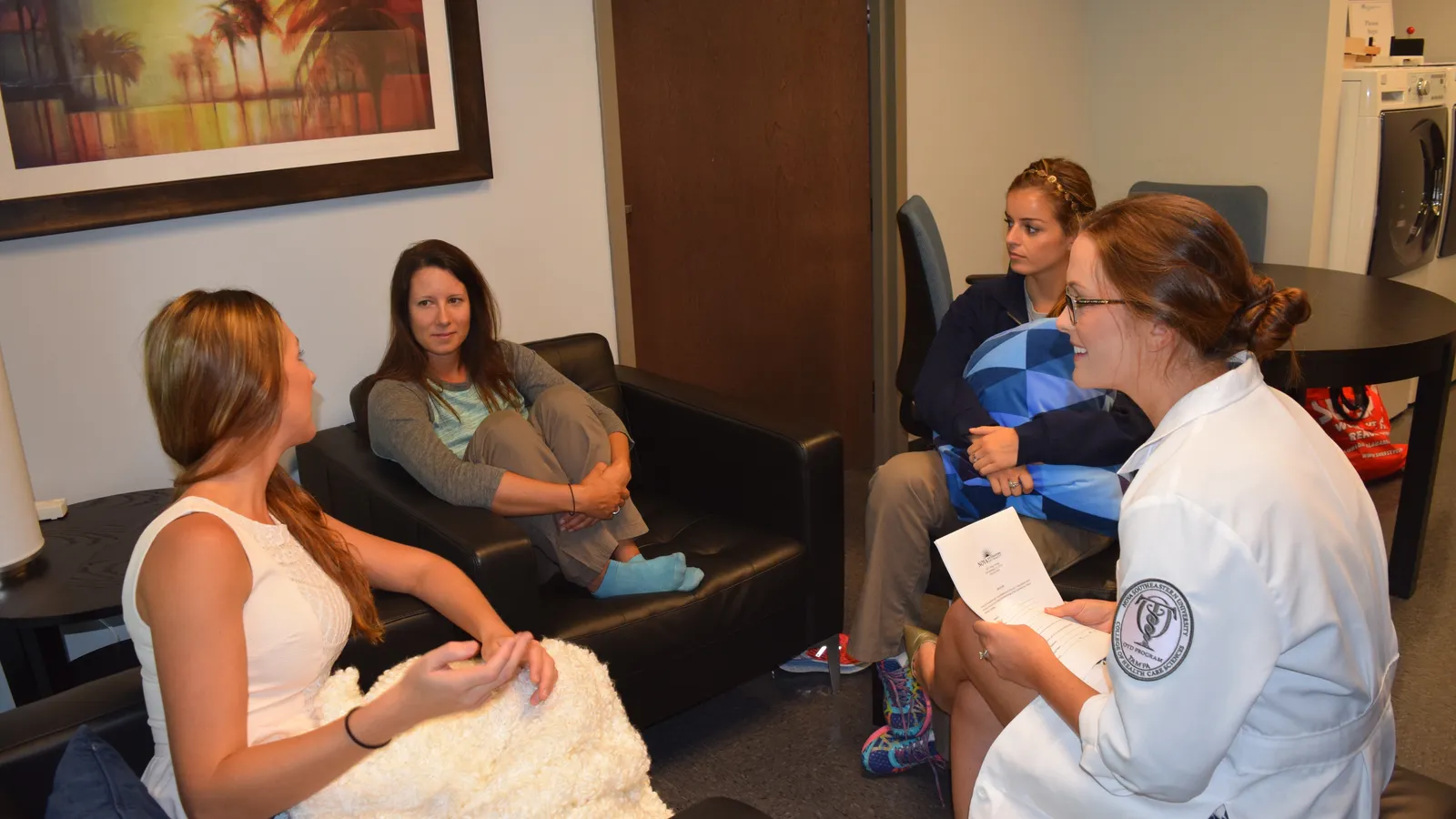
If you like healthcare but not the idea of an MBBS, two therapy degrees often come up together: the Bachelor of Physiotherapy (BPT) and the Bachelor of Occupational Therapy (BOT). Both help people after injury, illness or disability, but they ask different questions.
What is the difference between occupational therapy and physiotherapy?
India's National Commission for Allied and Healthcare Professions Act, 2021 lists them as two separate professions. It describes physiotherapy as treating "movement or functional dysfunction" with exercise, mobilisation, manipulation and electrical and thermal agents. It describes occupational therapy as promoting health "through occupation to enable people to participate in the activities of everyday life", by building a person's ability or changing the task or environment.
"Occupation" here does not mean a job: the NCAHP occupational therapy curriculum defines occupations as the everyday things people need to, want to and are expected to do. World Physiotherapy describes physiotherapy as developing, maintaining and restoring people's "maximum movement and functional ability".
A simple way to hold the difference:
Physiotherapy asks: can this part of the body move, bear weight and get stronger?
Occupational therapy asks: can this person do what their day needs, such as dressing, eating, writing, studying, working or playing?
What does the Bachelor of Occupational Therapy course cover?
Under the NCAHP occupational therapy curriculum, BOT is a five-year programme: four years of study plus a one-year compulsory rotatory internship. It sets 6,240 teaching hours and at least 2,016 internship hours, with supervised clinical practice from the second year. NCAHP's physiotherapy curriculum has the same shape, four years plus a one-year internship, so course length will not decide between them.
The subjects build year by year:
Year 1: anatomy, physiology, biochemistry and the fundamentals of occupational therapy.
Year 2: pharmacology, pathology and microbiology, psychology, biomechanics and kinesiology, and OT diagnostics.
Year 3: medicine, neurology and paediatrics, surgery and orthopaedics, psychiatry, ergonomics, and research methods.
Year 4: OT in musculoskeletal, neurological, paediatric and psychiatric conditions, and community rehabilitation.
Psychology and psychiatry run through the course, because OT treats mental health and thinking skills as part of everyday function. Biomechanics brings Class 11 physics back, with forces, levers and torque at the joints. If those chapters were shaky, the Fermi Concept Library has a lesson for every concept in physics and biology, so you can patch gaps before first year.
Who can apply for BOT in India?
The NCAHP occupational therapy curriculum sets these admission conditions:
you must have appeared for NEET;
you must have passed Class 12 with 50% aggregate marks in physics, chemistry and biology;
you must be at least 17 years old on the date of admission;
you need a medical fitness certificate from a registered medical practitioner.
Universities and state counselling bodies add their own rules and cut-offs, so check each college's current prospectus. Our guides to allied health science courses after 12th PCB and to your other routes when your NEET score is not enough for MBBS show where BOT sits among the alternatives.
What is the career scope after a BOT degree?
The NCAHP occupational therapy curriculum lists practice settings including:
hospitals, nursing homes and rehabilitation centres;
special and mainstream schools, preschools and child development centres;
mental health services;
geriatric clinics and hospices;
community-based rehabilitation, primary health centres and people's homes;
corporate offices and occupational health centres;
prisons, disaster management projects and public spaces, for accessibility.
It also lists roles such as counsellor, workplace health risk assessor (for example, ergonomic and driving evaluations), researcher and academic, and expects demand for occupational therapists to keep rising with chronic conditions and an ageing population. A two-year Master of Occupational Therapy (MOT) prepares you for specialist practice, research and teaching. Under the NCAHP Act, occupational therapists can practise independently or in a team, with a bachelor's degree as the minimum qualification.
How can you test whether occupational therapy suits you?
Spend a week on this before counselling.
Days 1 and 2: Read the BOT and BPT pages of two colleges you could join. Note fees and the hospital where students train.
Day 3: Ask a hospital or rehabilitation centre's OT department whether a therapist can spare a few minutes to describe a normal day and what they wish they had known before choosing it.
Day 4: Ask a physiotherapist the same questions.
Day 5: Try a few torque problems in the Fermi Problem Library, whose step-by-step solver explains the reasoning, and notice whether biomechanics interests you.
Days 6 and 7: List the tasks you would enjoy and those you would find draining, then compare with what each therapist said.
If helping a child hold a pencil or an older person cook safely again excites you, look closely at OT; if sports injuries and movement draw you more, look at physiotherapy. For a third option, read what audiology and speech therapy training involves before you decide.