

On this page
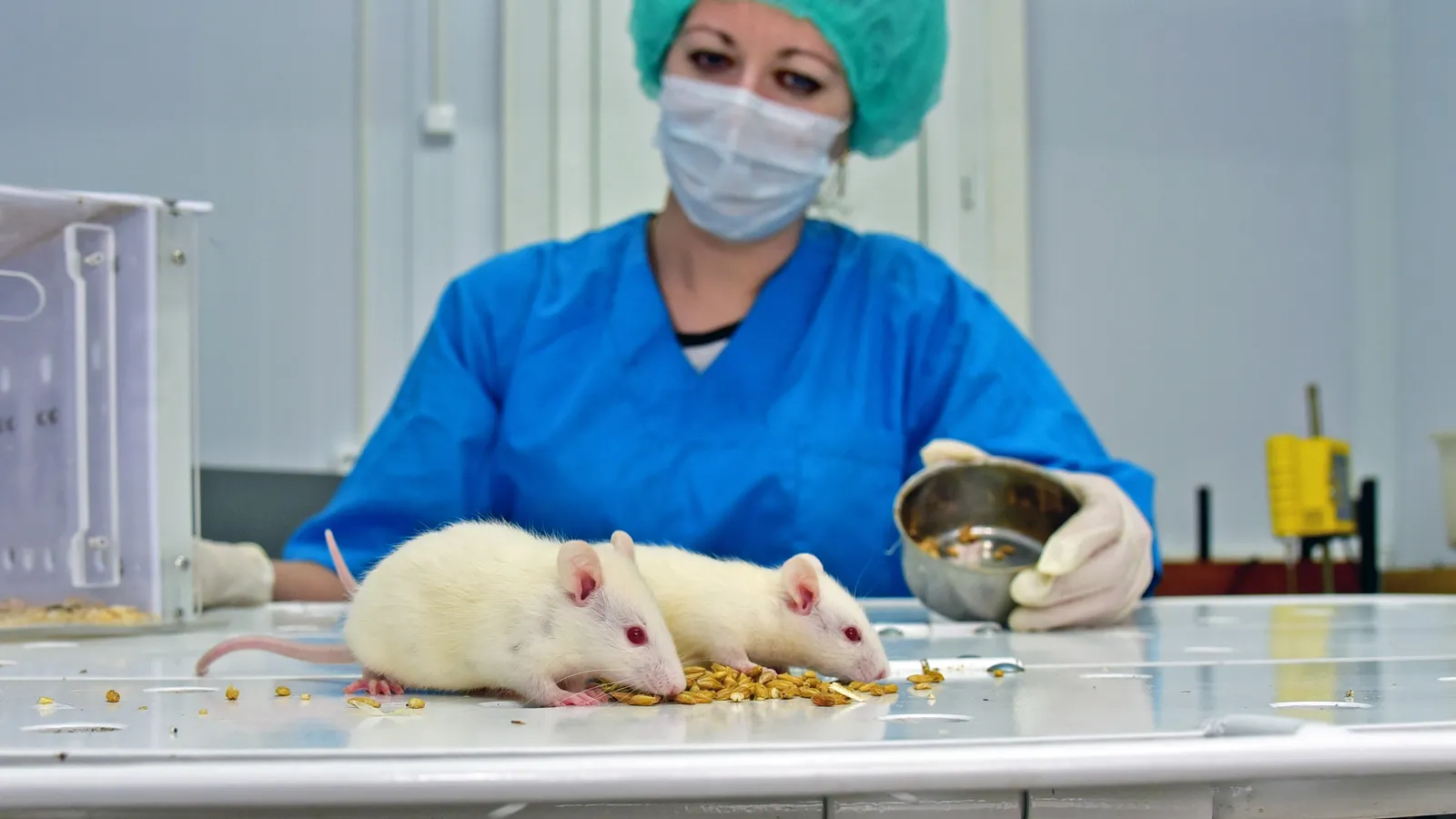
Behind much biomedical research sits an animal facility: mice, rats, rabbits or fish, looked after by people who keep them healthy and spare them needless suffering. That work is laboratory animal science. It suits two kinds of student: a vet who wants research rather than a clinic, and a biology graduate who wants hands-on lab work with clear ethical rules.
Who regulates animal research in India?
The Committee for Control and Supervision of Experiments on Animals (CCSEA) is a statutory committee of the Department of Animal Husbandry and Dairying, set up under the Prevention of Cruelty to Animals Act, 1960. Its stated duty is to ensure that animals are not subjected to unnecessary pain or suffering before, during or after experiments. Establishments engaged in biomedical research, or in breeding or trading laboratory animals, must register with it.
You may see older documents call it CPCSEA. The ministry shortened the name by an order dated 6 January 2023; the committee's functions and powers stayed the same.
The detailed law is the Breeding of and Experiments on Animals (Control and Supervision) Rules, 1998, which CCSEA lists as amended in 2001 and 2006. Three of its rules shape this career:
Rule 4: no establishment may perform any experiment on animals unless it is registered.
Rule 7: attendants must be suitably trained and experienced, and there must be arrangements for animal care during off hours and on holidays.
Rule 9(a): experiments must be performed by or under the supervision of a person holding a degree or diploma in veterinary science, medicine or laboratory animal science from a recognised university or institution.
What are the 3Rs in animal research?
The 3Rs are Replacement, Reduction and Refinement, first set out by William Russell and Rex Burch in their 1959 book The Principles of Humane Experimental Technique. Replacement means using methods that avoid animals where possible. Reduction means designing experiments well enough to use the fewest animals that still give a reliable answer. Refinement means cutting pain and distress and improving welfare, which the UK's NC3Rs also links to more reliable science, because pain and suffering can change an animal's behaviour, physiology and immunology.
How does a vet build a career in laboratory animal science?
If you are aiming for a BVSc, our guide to getting a BVSc seat through NEET covers admission, and career options after BVSc shows where research fits among other paths.
A vet with a recognised degree already meets the qualification in Rule 9(a), and every animal ethics committee needs a veterinarian, so vets are well placed to run facilities. A practical route:
During your BVSc, ask to spend part of an internship in a university or institute animal house.
After graduating, take a short specialised course. The Laboratory Animal Medicine Unit at TANUVAS, Chennai runs a Certificate Course in Laboratory Animal Sciences: 10 days for vets, 8 days for non-vets. It is accredited by FELASA, the Federation of European Laboratory Animal Science Associations, for work with rodents and fish. TANUVAS also offers a one-month training for vets in breeding, health and management of lab animal facilities.
Look for jobs in pharma companies, contract research organisations, research institutes and universities with animal facilities.
To specialise further, the European College of Laboratory Animal Medicine trains and certifies vets as European Veterinary Specialists in Laboratory Animal Medicine.
Can a biologist work with laboratory animals?
Yes, but unless you hold one of the qualifications in Rule 9(a), you will usually work as a researcher or facility scientist under a qualified supervisor. Most biologists come in through an MSc or PhD project that uses animals, so the career options after a BSc in Zoology are a useful map. Then:
Before your first animal work, take a recognised course, such as the 8-day TANUVAS certificate track for non-vets.
Learn the paperwork: how a protocol is written and how the number of animals is justified.
Keep a record of procedures you have been trained on. Facilities will ask for it.
Is this career right for you?
Ask yourself four questions:
Can you handle animals calmly every day, including off hours and holidays, which Rule 7 covers?
Can you accept that some animals will be humanely killed as part of the work, and still care for each one?
Do you like rules and records? Every animal, dose and observation is written down.
Would you speak up if a procedure was causing more suffering than approved?
If the ethics weigh on you, talk it through with a teacher or a vet already in the field. If stress starts to affect your sleep or mood, call Tele MANAS on 14416.
Welfare work rests on knowing what normal breathing, temperature and behaviour look like. If terms like homeostasis or drug metabolism still feel shaky, the Fermi Concept Library has a lesson on each concept in biology and chemistry, so you can fill the gap before a course or interview.


