On this page
If you like building things that have to work the first time, defence research is worth a look. In India much of that work happens at the Defence Research and Development Organisation (DRDO), whose labs recruit engineers and science graduates. This guide covers what the labs work on, how people get in, and a plan you can start in Class 11.
What do defence research labs actually work on?
DRDO had 46 labs and establishments in 2022, including five Young Scientists Laboratories, the government told the Lok Sabha (PIB, August 2022).
The five Young Scientists Laboratories were dedicated to the nation in January 2020, in Bengaluru, Mumbai, Chennai, Kolkata and Hyderabad. Each one works on a single area: artificial intelligence, quantum technologies, cognitive technologies, asymmetric technologies or smart materials (PIB, January 2020).
Three real projects show the range:
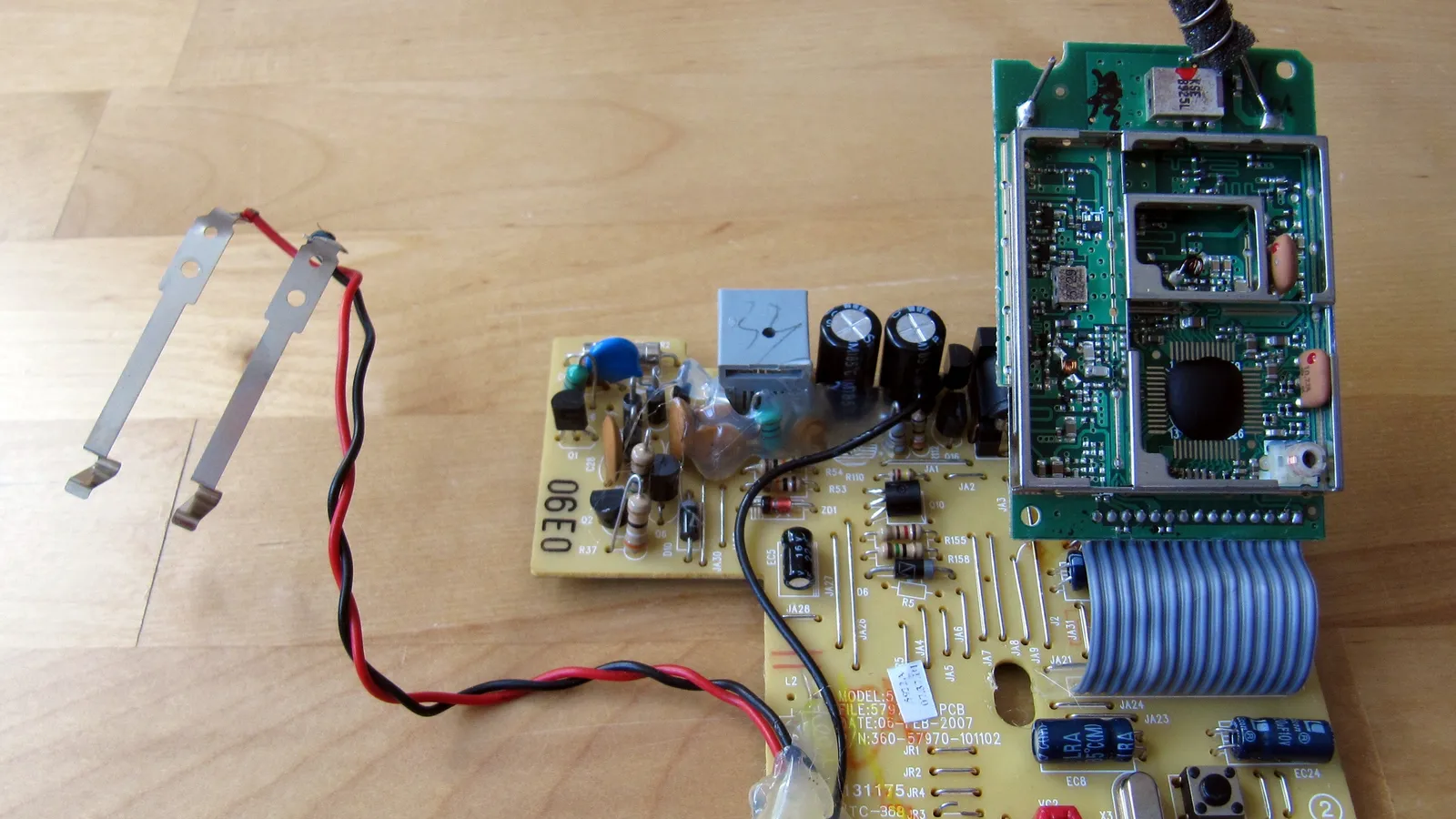
Quantum computing. In August 2024, scientists from DRDO's quantum lab and TIFR Mumbai finished end-to-end testing of a 6-qubit superconducting quantum processor. The DRDO team put together the control and measurement apparatus from off-the-shelf electronics and custom-programmed boards (PIB, August 2024).
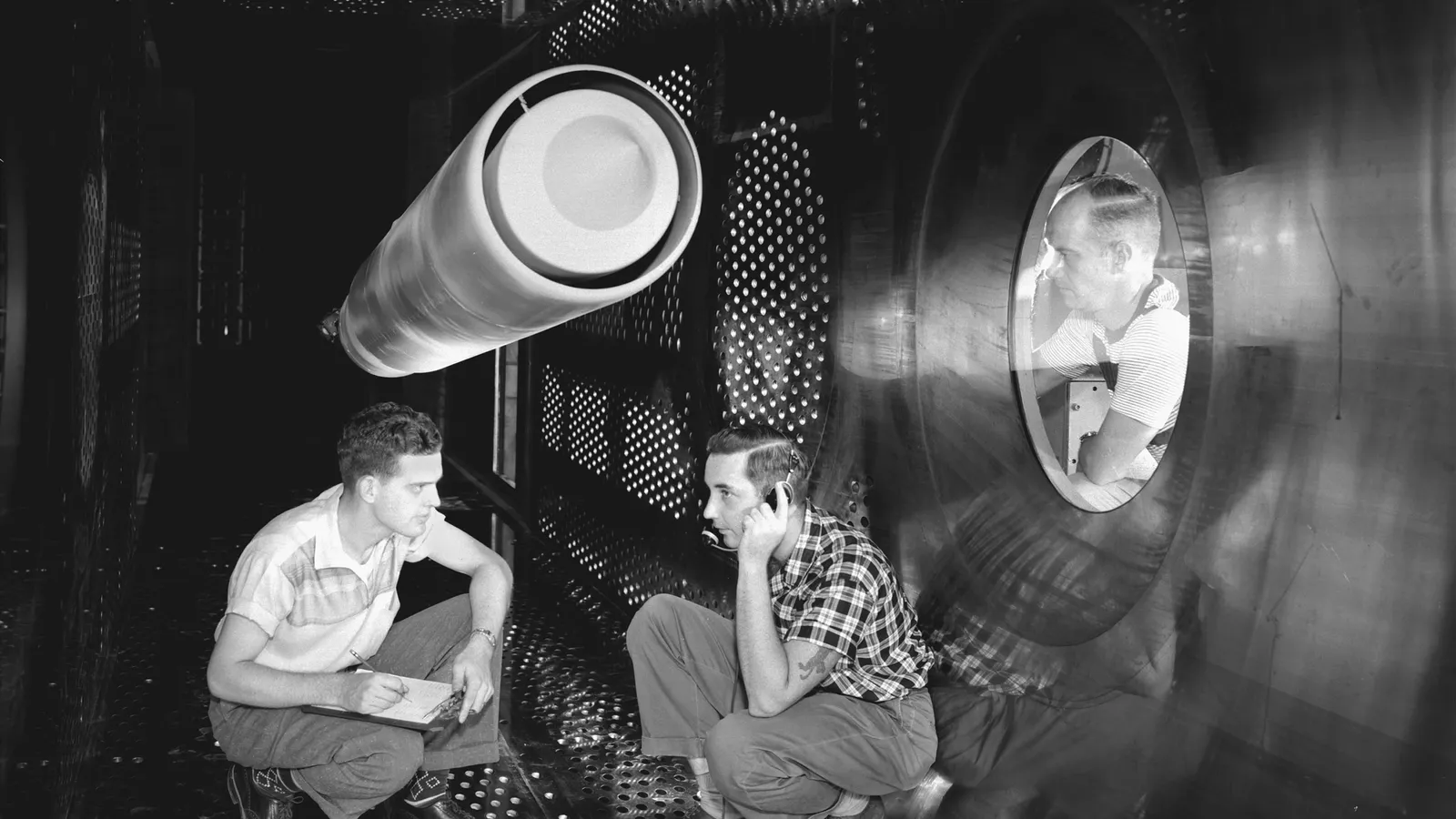
Hypersonics. In December 2020, a hypersonic wind tunnel that can simulate Mach 5 to 12 was opened at DRDO's missile complex in Hyderabad (PIB, December 2020).
Electronics and materials. During that same visit, the Hyderabad labs showed work on avionics, advanced materials, electronic warfare, quantum key distribution and gallium nitride technology (same PIB release).
None of these projects is just one subject. The quantum processor brought together qubits designed at TIFR, control electronics from DRDO and cloud software from TCS. A hypersonic wind tunnel is a problem in fluid flow, structures and instrumentation at once.
How do engineers get hired as DRDO scientists?
The main entry point is the Scientist 'B' post. DRDO's Recruitment and Assessment Centre (RAC) fills it using GATE scores. Engineers need a first-class B.E. or B.Tech. Science candidates need a first-class master's degree. RAC shortlists applicants on their GATE merit and then holds an interview (PW summary of the 2026 notice).
We have a separate guide comparing the routes to becoming a scientist at ISRO or DRDO if you are weighing the two.
Can you work in a defence lab while still a student?
Yes, through a few schemes. DRDO runs a paid apprenticeship scheme, internships for B.Tech, M.Tech and M.Sc students, and research fellowships for young scientists and engineers. It has also funded 10 Defence Industry Academia Centres of Excellence at IITs and universities (PIB, August 2022). If your college has one of these centres, a professor working there is a good first person to email.
DRDO's Dare to Dream contest had run every year since 2019 when the government reported on it in December 2022. It is open to individuals above 18 and to start-ups. Across its first three contests, 5,637 entries came in and 52 individuals and 34 start-ups won awards (PIB, December 2022).
Which branch leads to which kind of project?
Use this as a starting map, built from the projects above:
Electronics and communication: electronic warfare, avionics, gallium nitride devices, the control electronics for quantum hardware.
Mechanical and aerospace: hypersonic flow, wind-tunnel testing, structures. Our guide to aerospace engineering careers in India covers the degrees.
Computer science: the AI lab in Bengaluru, and the software layer on every system.
Metallurgy and materials: smart materials and advanced materials.
Physics and chemistry (via an M.Sc): quantum technologies and materials research.
A plan from Class 11 to your first application
Class 11 and 12: get mechanics, electricity, calculus and vectors solid. The projects above all build on them. If one topic keeps tripping you up, the Fermi Concept Library gives each concept its own lesson and shows where it sits in the map.
Choosing a degree: pick the branch from the map above that matches the projects you would enjoy. Whatever the college, protect first-class marks, because RAC asks for them.
Second and third year: apply for a DRDO internship, look for a project at an academia centre of excellence, and once you are 18, think about entering Dare to Dream if it is still running.
Third and fourth year: prepare for GATE alongside classes; here is how to prepare for GATE during your B.Tech. For worked practice, the Fermi Problem Library has a step-by-step solver that explains the reasoning rather than printing an answer.
Final year and after: keep checking rac.gov.in for Scientist 'B' advertisements, and apply as soon as you have a valid GATE score in your discipline.
A good first step this week is to read one DRDO project release from start to finish, then list the subjects it needed.