On this page
In many Indian homes, Class 11 is when a teenager is kept out of the kitchen so they can study. It feels kind. But in two years many of those students will be in a hostel, a PG or a college far from home, feeding themselves for the first time. If your family is already thinking about choosing a college far from home, cooking belongs on the list next to packing and budgeting. One dish on a Saturday is enough to start.
Does learning to cook actually help teenagers?
The best evidence comes from two studies led by nutrition researcher Jennifer Utter.
In a 2016 study of Youth'12, a national New Zealand survey of 8,500 secondary school students, about 80% of students said they could cook a meal from basic ingredients fairly or very easily. Students with the greatest cooking ability were about twice as likely to meet fruit and vegetable recommendations. They also reported fewer depressive symptoms, better mental well-being and stronger family connections. One caveat: greater cooking ability was also linked to a higher body mass index.
A 2018 longitudinal study from the US Project EAT followed 1,158 young people. Those who said their cooking skills were very adequate at age 18 to 23 were, at age 30 to 35, preparing meals with vegetables more often and eating fast food less often. Only about one in four had rated their skills that highly.
Both studies show links, not proof that cooking caused the difference. Still, the skill itself is plain independence: a recipe is a small project where you plan, gather, time several steps and clean up. That is the same muscle a study plan uses.
Is cooking a good break from studying?
It can be, if it is the right length. A 2022 meta-analysis in PLOS ONE pooled 22 study samples with 2,335 people. Short micro-breaks gave small but real boosts to vigour and cut fatigue, but did not significantly improve overall performance. Within these short breaks, longer ones gave a bigger boost to performance, and the authors suggest that recovering from very draining tasks may need breaks of more than 10 minutes.
This research looked at short breaks between work tasks, not at cooking, so treat it as a guide. But a long session of mechanics problems is draining work. A cooking slot of half an hour or so uses your hands, gets you away from the screen and ends with something finished, which a few minutes of scrolling does not.
Which five dishes should a beginner start with?
Each uses a normal Indian kitchen and teaches one new skill.
Poha. Teaches a tadka: heat the oil, add mustard seeds, then onions, and get the timing right before anything burns.
Egg or paneer bhurji. Teaches heat control: medium flame, keep stirring, take it off before it dries out.
Dal and rice in a pressure cooker. Teaches measuring water and handling a cooker safely. An adult should be in the kitchen the first few times.
Besan chilla. Teaches batter thickness and flipping something on a tawa.
Lemon rice or curd rice from leftover rice. Teaches using leftovers and storing food properly, which matters most once you are on your own.
The WHO's Five Keys to Safer Food are a good set of rules to stick on the fridge: keep clean, separate raw and cooked, cook thoroughly, keep food at safe temperatures, and use safe water and raw materials.
How do you fit cooking into a Class 11 weekend?
This six-week plan adds no extra hours, only a new use for the lunch break.
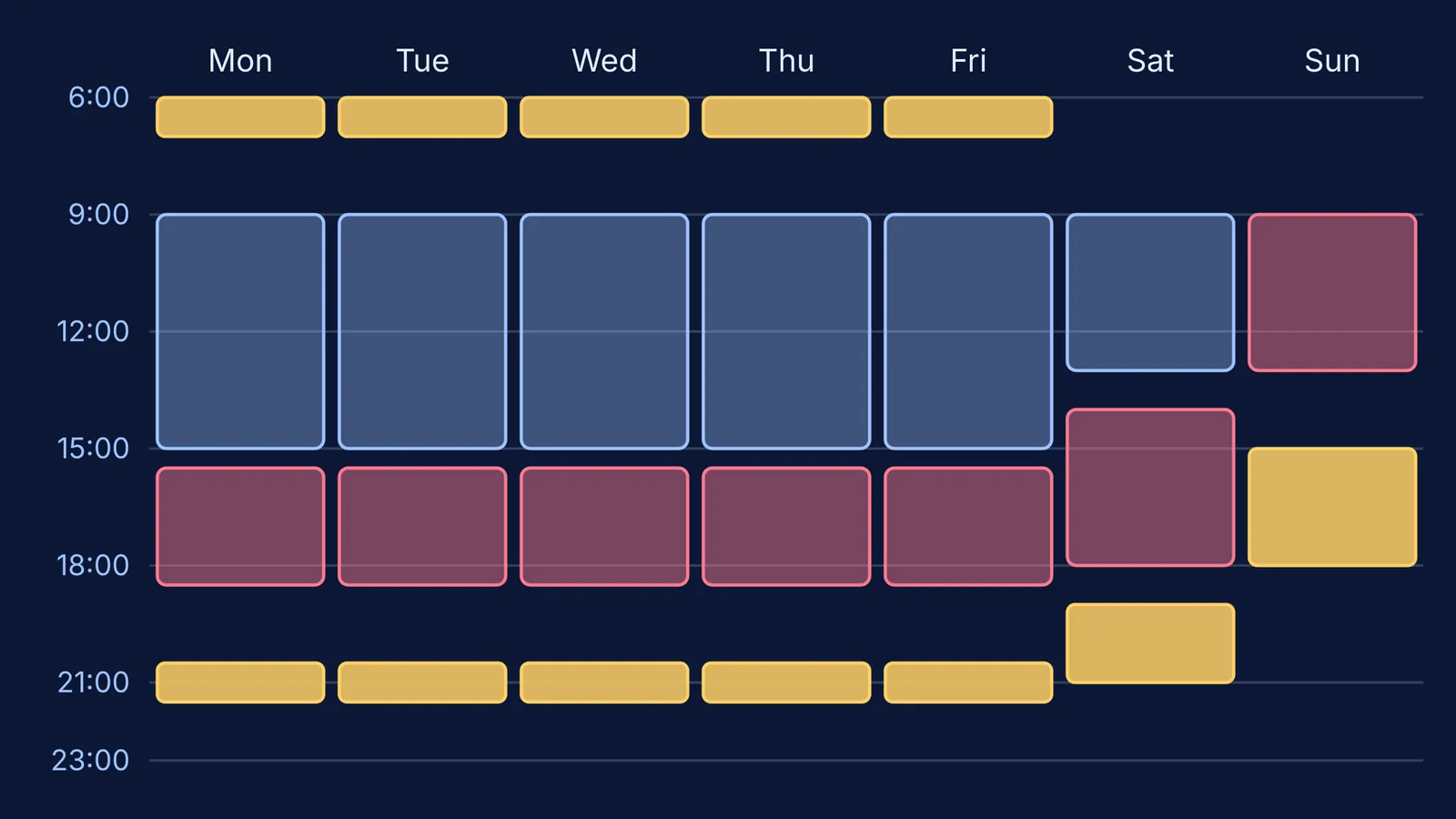
Weeks 1 to 5: one dish from the list each Saturday, cooked for lunch between the morning and afternoon study blocks. On Sunday, repeat it or help with a family meal.
Every Sunday evening: pick next week's dish and write the ingredient list. That is the planning practice.
Week 6: cook one full lunch for the family alone, from shopping list to clean kitchen.
If the week already has a weekly rest half-day, cooking can sit inside it. On weekdays with long coaching hours, keep the meals simple; our guide to tiffin and meals for long coaching days covers that side.
For parents, the opening line matters more than the recipe. Try: "I'm not asking you to cook for us. I want you to be able to feed yourself when you leave home. Pick one dish for Saturday and I'll stay in the kitchen the first time." Then let them make mistakes without comment.
When the student sits back down after lunch, start with one specific problem rather than a whole chapter. If you are not sure where to begin, Fermi's AI tutor can work out what you already know and build a plan for the session, so you come back to a clear next step.
This Saturday, pick the poha.