On this page
Board exams, JEE, NEET: for a few weeks every year the whole household bends around one child's timetable. That can be done well or badly. Families who manage it well usually agree a handful of routines before the season starts, rather than improvising under stress.
Sleep: the routine everything else depends on
The American Academy of Sleep Medicine consensus recommends that teenagers aged 13 to 18 sleep 8 to 10 hours per 24 hours on a regular basis. Exam season is when that number gets cut first, usually to make room for late-night revision. Sleep also helps the brain consolidate what was studied that day; our explainer on sleep before an exam covers the research.
What the household can do:
Fix a lights-out time and a wake-up time, and keep them on weekends too.
Leave a short wind-down gap between the last study block and lights out.
Keep the TV and loud conversations down after the agreed time.
Do not schedule family events late on the night before a paper.
Meals and movement
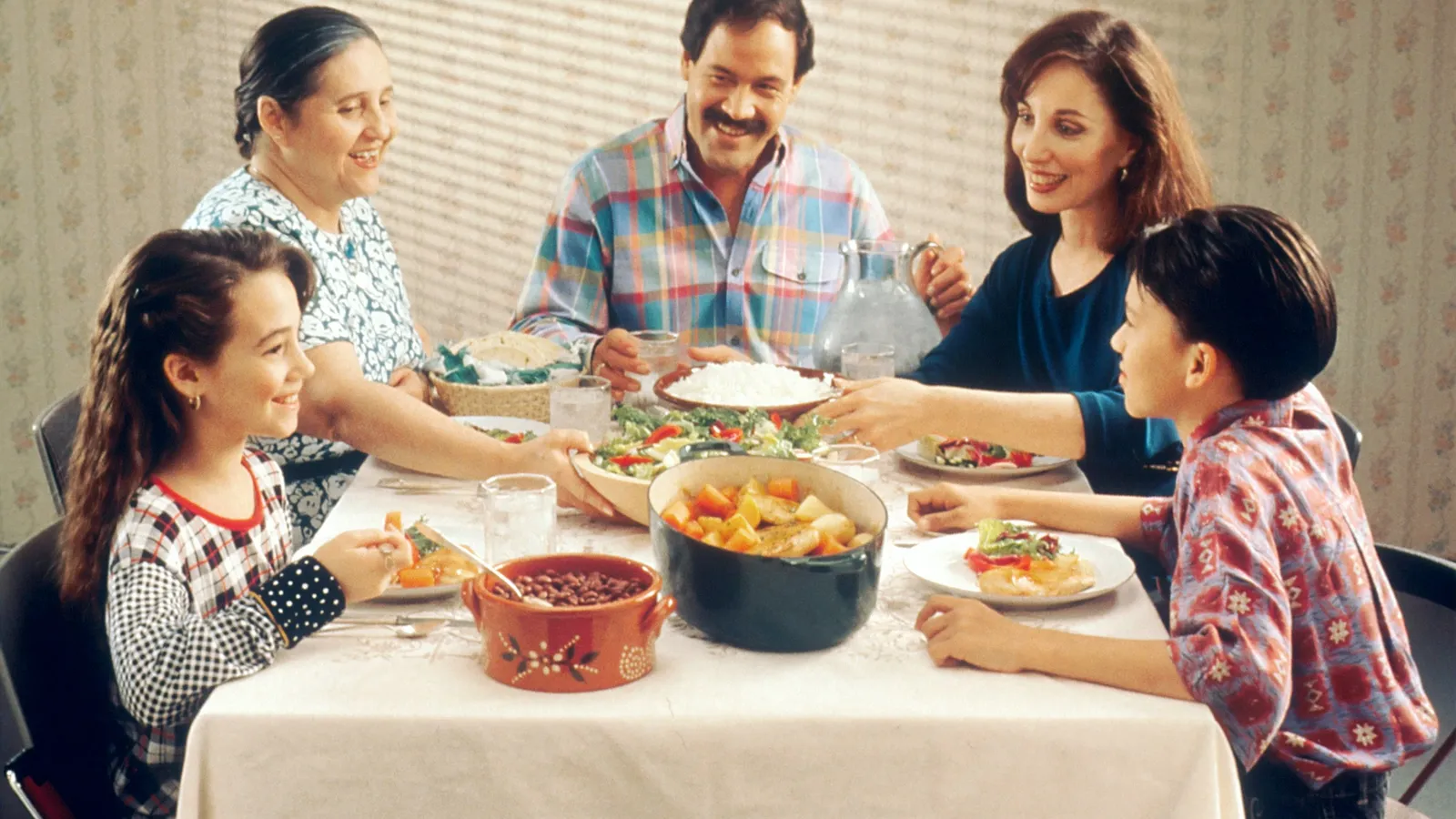
Regular meals at predictable times reduce one source of daily friction. Eat together when possible, but keep the table free of exam talk. Movement matters too: the World Health Organization recommends that children and adolescents aged 5 to 17 do at least 60 minutes of moderate to vigorous physical activity daily. In exam weeks, a walk after dinner is a realistic start.
Noise, space and phones
Agree quiet hours when the student's main study blocks happen, and tell everyone, including younger siblings and visiting relatives. If space is short, a corner with a table facing a wall and a lamp is enough.
Phones are the bigger problem. A 2017 study by Ward and colleagues, titled "Brain Drain", reported that the mere presence of one's own smartphone reduced available cognitive capacity. A simple rule: the phone charges outside the study room during study blocks, for the student and for parents who walk in and out. Our piece on why a phone on the desk hurts focus explains the evidence.
Conversations: less, but better
Constant questions about how a paper went, how many chapters are left or what a cousin scored add pressure without adding information. Try this instead:
One short check-in a day, at a fixed time, for example after dinner. "How did today go? Anything you need tomorrow?"
After a paper, ask about the next one, not the one that is over. A post-mortem can wait until the season ends.
Name effort, not marks. "You stuck to your plan all week" lands better than "You must get 95".
Keep relatives on script. Ask grandparents and visitors to skip "What percentage are you expecting?"
An evening routine for exam weeks
6:00 pm: short break and a snack after the day's main study block.
6:30 to 8:00 pm: revision of the day, testing rather than rereading (see how to test yourself instead).
8:00 pm: dinner together, no exam talk.
8:30 pm: a short walk or light activity.
9:00 to 10:00 pm: light review, then pack the bag and admit card for the next paper.
10:30 pm: lights out.
Adjust the clock to your family; keep the order.
When stress needs more than routines
Some worry before exams is normal. If your child's distress is persistent, or they stop eating or sleeping, talk to a doctor or counsellor. For the 2026 board exams, CBSE ran free psycho-social counselling for Class 10 and 12 examinees, with a 24x7 toll-free IVRS line (1800-11-8004) and weekday tele-counselling; check CBSE's site for the current year's dates. The government's Tele MANAS service can be reached on 14416 or 1-800-891-4416.
When your child is stuck on a concept late in revision and there is no teacher to ask, the Fermi Concept Library has a lesson for each concept in physics, chemistry, biology and mathematics, which can save a frustrated evening.