On this page
The night before a big test, staying up to cover one more chapter feels responsible. The research points the other way: sleep is when the brain does important work on what you learned, and a night without it makes the next day's learning harder too. Here is what the studies show and a plan for exam week.
What does sleep do for memory?
A 2010 review in Nature Reviews Neuroscience by Susanne Diekelmann and Jan Born describes sleep as a state that optimises the consolidation of newly learned information. During deep slow-wave sleep, memories that depend on the hippocampus are reactivated and redistributed to the cortex, and REM sleep may support later strengthening of those memories.
That is not only a lab idea. In a 2006 study in Learning & Memory, Steffen Gais, Brian Lucas and Jan Born tested high school students learning vocabulary. Memory was better when sleep followed within a few hours of learning, and a night of sleep deprivation still harmed memory after a night of recovery sleep.
Why an all-nighter backfires
Missing sleep also damages the ability to take in new material. In a 2007 study in Nature Neuroscience, Seung-Schik Yoo, Matthew Walker and colleagues found that a single night of sleep deprivation produced a significant deficit in hippocampal activity while people were learning, and worse retention afterwards. So the chapter you cram at 3 a.m. is learned by a brain that is poor at learning, and the material from earlier in the week loses the night it needed to settle.
Students do pull all-nighters. In a 2008 survey of 120 university students, Pamela Thacher found that 60% had stayed up all night at least once since starting college, and doing so was associated with lower grade point averages. That is a correlation, not proof that all-nighters caused the lower grades, but it does not suggest they help.
Does the night before the exam matter most?
Less than you might think. In a 2019 study in npj Science of Learning, Kana Okano, John Gabrieli and colleagues gave wearable sleep trackers to students in an introductory chemistry course; 88 completed the study. There was no relation between sleep on the single night before a test and the test score. Sleep duration and quality across the month and the week before the test did correlate with better grades, and sleep measures accounted for nearly 25% of the variance in performance.
So the useful message is not "sleep well the night before" alone. It is "sleep well all through the weeks you are learning". For teenagers, the American Academy of Sleep Medicine's consensus statement recommends 8 to 10 hours per 24 hours for ages 13 to 18.
An exam-week sleep plan
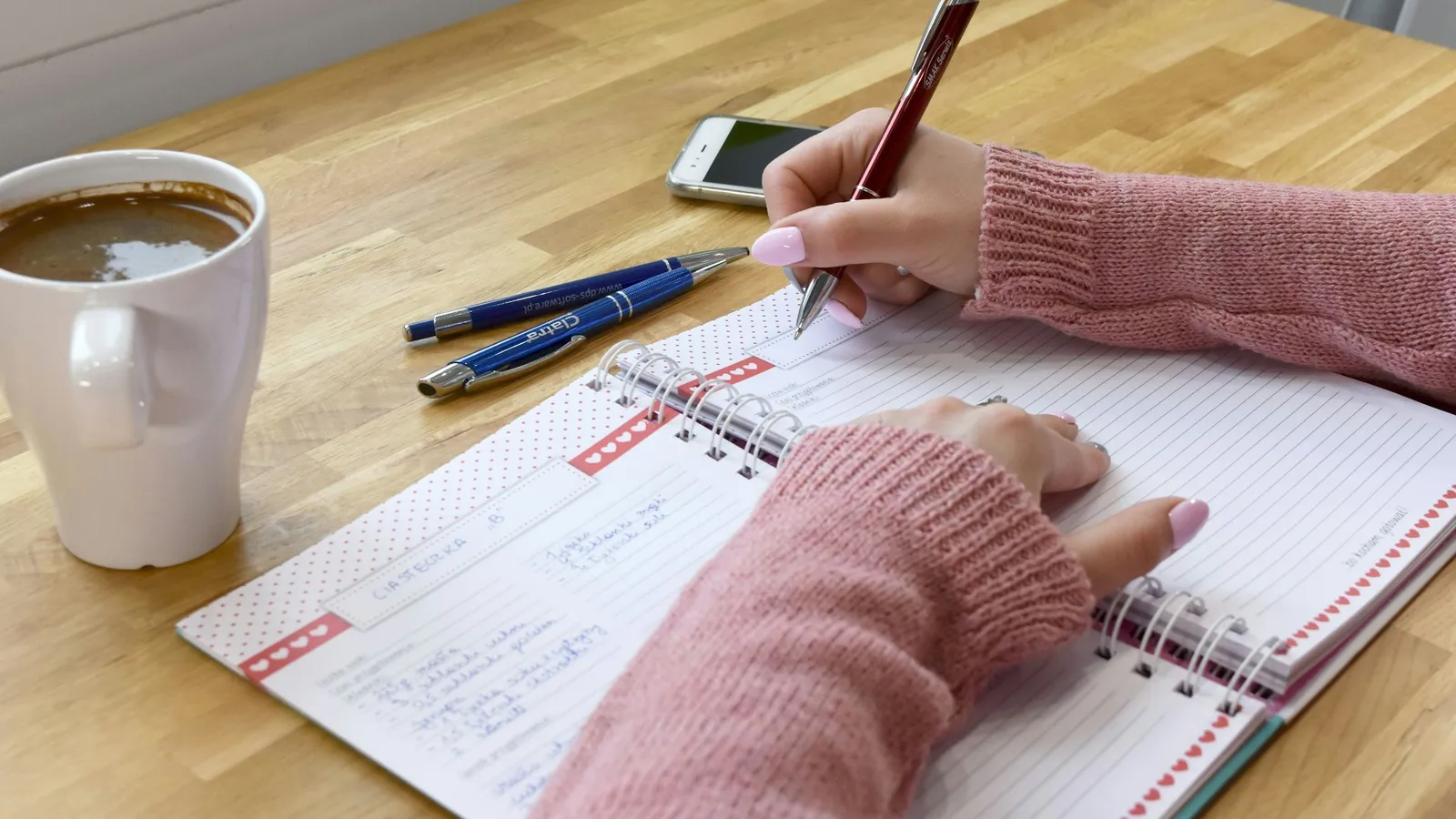
Fix your wake-up time first. Choose the time you must wake on exam day and wake at roughly that time all week, so the exam morning is not a shock.
Count back 8 to 9 hours for lights out. If you must wake at 6:00, aim to be asleep by about 21:00 to 22:00.
Stop new material in the evening. Use the last study block for retrieval of things you already know, such as a blank-page recall of formulae, then sleep. Our guide to a spaced revision schedule shows how to make that final review short.
Triage instead of cramming. If you are behind, pick the two or three topics with the most marks you can still realistically secure, and drop the rest for now. Given the findings above, a rested attempt at fewer topics is a better bet than a sleepless attempt at all of them.
Keep screens out of the last half hour, so one more message or video does not push lights-out later.
If sleep problems last for weeks, talk to a parent and a doctor rather than pushing through.
Families can make this much easier; see our pieces on teen sleep and what parents can do and exam season routines at home.
What really prevents the all-nighter is a plan that spreads revision across weeks. If you are preparing for JEE Main or Advanced, Fermi Testprep offers personalised preparation with an AI tutor, live classes, adaptive mocks and a study plan that updates based on mastery.
Choose your exam-week wake-up time today and start keeping it tomorrow.