On this page
If a teacher has slapped, caned or humiliated your child, the legal answer is clear: Indian law forbids it. The harder part is what to do next without making school worse for your child.
Is corporal punishment allowed in schools in India?
No. Section 17(1) of the Right of Children to Free and Compulsory Education Act, 2009 reads: “No child shall be subjected to physical punishment or mental harassment.”
Section 17(2) of the same Act says whoever breaks this “shall be liable to disciplinary action under the service rules applicable to such person.”
Two details matter. First, the ban names mental harassment alongside physical punishment, so it is not only about hitting. Second, the Act defines a child as a boy or girl “of the age of six to fourteen years”. If your child is older, Section 17 and the Section 32 complaint route do not cover them, but that does not make hitting a 16-year-old acceptable, and steps 1 to 3 below still apply.
The Act also gives you a complaint route. Under Section 32, anyone with a grievance about a child's rights under the Act “may make a written complaint to the local authority having jurisdiction”, which must decide the matter within three months after hearing both sides. If you are not satisfied, you can appeal to your State Commission for Protection of Child Rights.
What do studies show corporal punishment does?
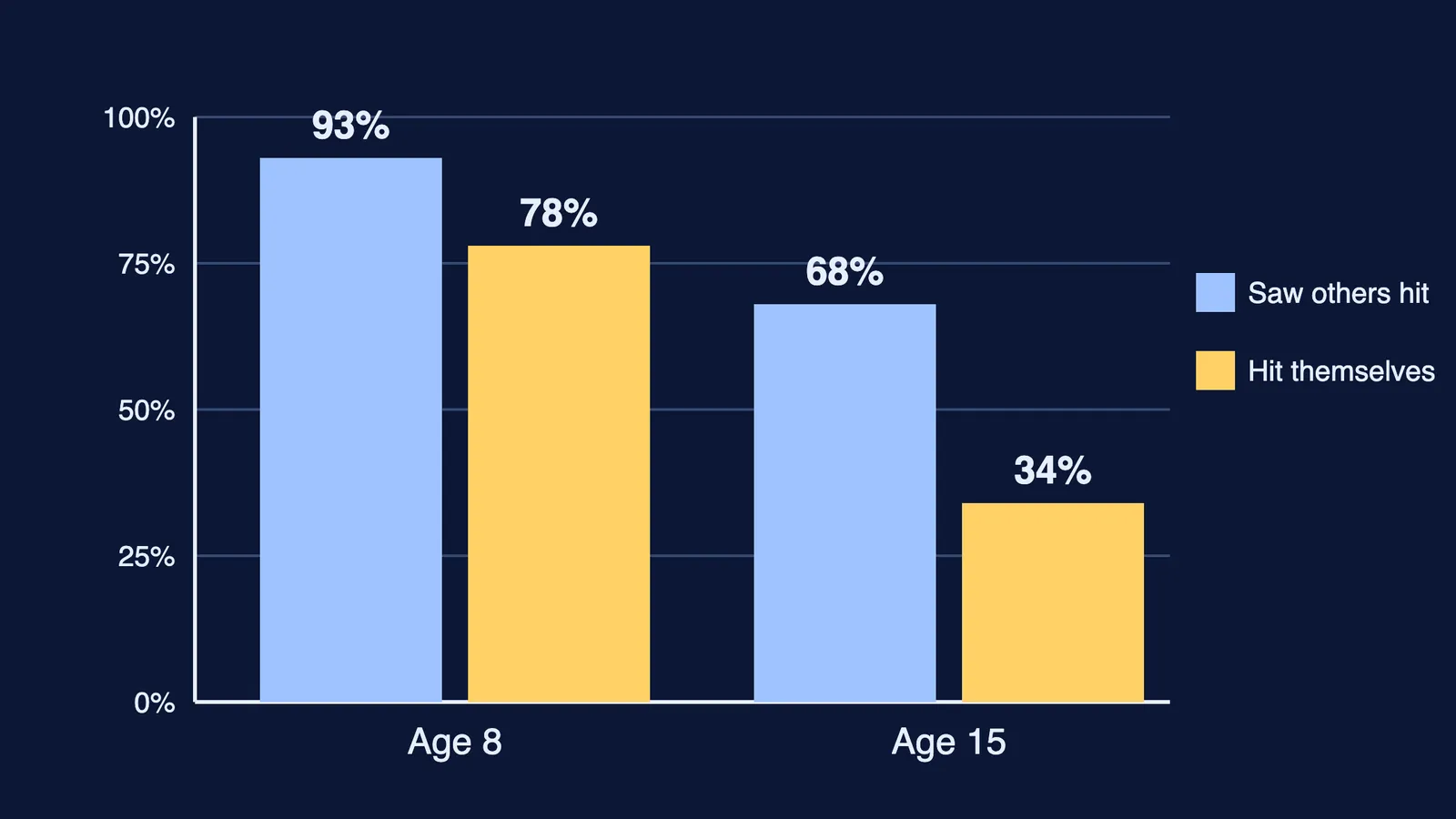
The Young Lives study follows children in Andhra Pradesh and Telangana. In its 2009 survey, 93% of 8-year-olds said they had seen a teacher physically punish another student in the past week, and 78% said it had happened to them, according to a UNICEF Innocenti research brief by Hayley Jones and Kirrily Pells. Among 15-year-olds, the figures were 68% and 34%.
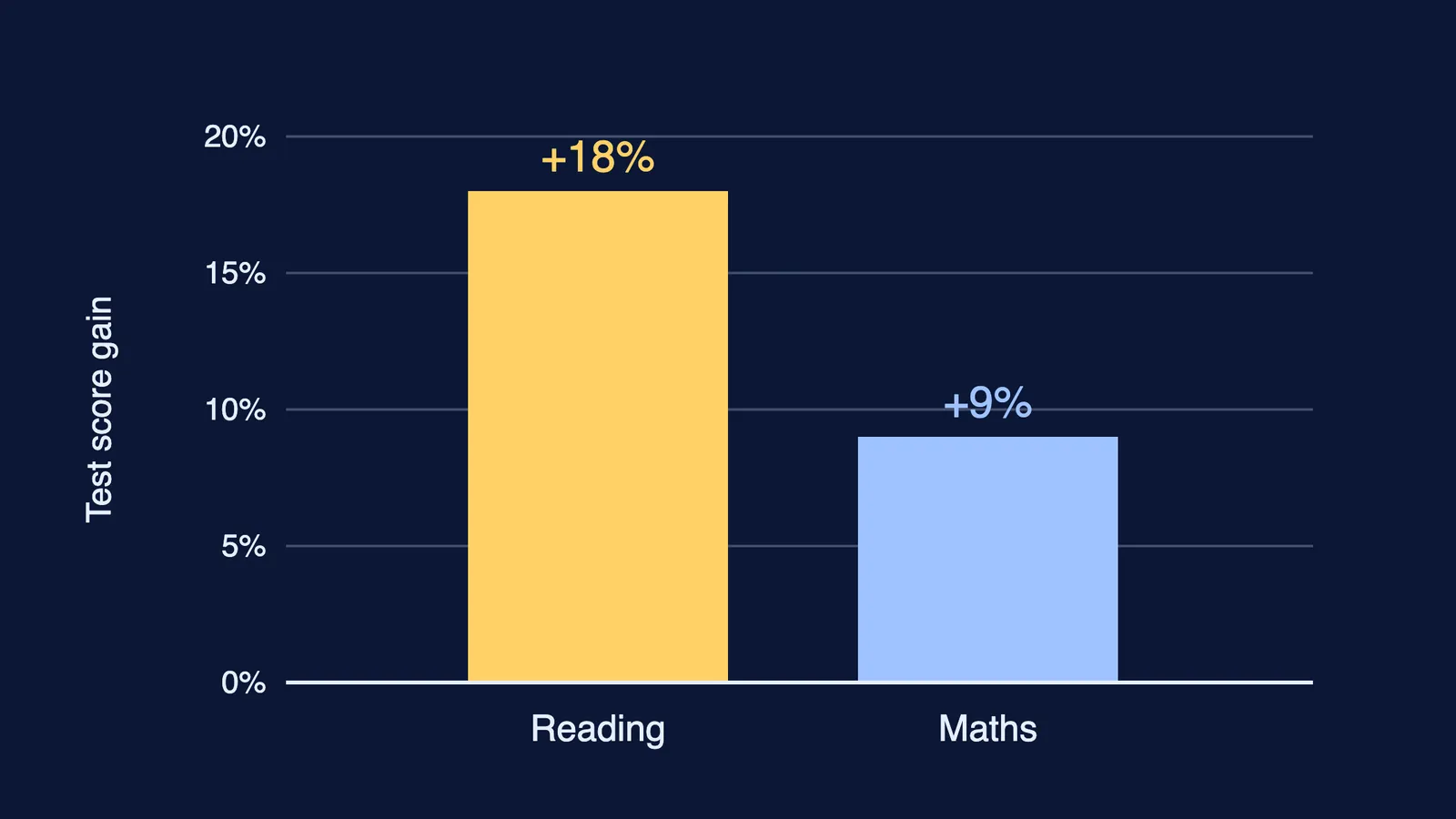
The same brief found that being punished at age 8 was linked to lower maths scores at age 12 in India, Peru and Viet Nam. The authors are careful: they cannot prove cause, and for India the link was no longer statistically significant once earlier maths scores were taken into account.
A systematic review of 53 studies, all cross-sectional surveys, found that school corporal punishment is common even where it is banned, and is associated with physical, academic, mental health and behavioural problems for children. Research on spanking points the same way: a meta-analysis covering 160,927 children found that 13 of 17 average effects were statistically significant, and all 13 linked spanking to a higher risk of detrimental outcomes for children. The World Health Organization says corporal punishment “increases behavioural problems over time, and has no positive outcomes.”
What can a parent do if a teacher hits your child?
Stay calm and keep a paper trail.
Listen first. Ask what happened, when and who saw it, and tell your child they are not in trouble. If they find it hard to speak up, our guide on helping a child who is afraid to tell the teacher about bullying has gentle ways to start.
Write it down the same day: date, period, what was said or done, and which classmates saw it. If there is a mark or injury, photograph it and see a doctor, and keep the prescription or slip.
Ask for a meeting with the class teacher or principal in writing, by email or letter, and keep a copy. Our post on when to complain to the principal and how to escalate walks through that step.
If nothing changes and your child is 6 to 14, make a written complaint to the local authority under Section 32. Ask your district education office which office handles RTE complaints where you live.
If the decision does not satisfy you, appeal to your State Commission for Protection of Child Rights.
At the meeting, you could say: “On [date], my child told me that [what happened]. I am not here to fight; I want it to stop. Section 17 of the RTE Act prohibits physical punishment and mental harassment. What will the school do, and by when? I will email you a note of this meeting so we both have a record.”
How do you handle it at home?
Praise them for telling you. Avoid angry talk about the teacher in front of them; it can make going back harder. If home has its own heated moments, this pause and repair plan for shouting during homework helps you model the calm you are asking the school for.
If the punishment was over homework your child could not do, fix that gap too. Fermi's AI tutor can work out what they already know and build a plan for the session, so the next homework sitting starts from a clear next step.
Start with step one tonight: listen, then write it down.