On this page
The result portal says it before your child does: one or more subjects not cleared. It feels like a crisis, but it is usually a fixable problem with a known shape, and the first conversation matters.
What does a backlog in engineering actually mean?
A backlog is a course your child has registered for but not yet passed. Some colleges call it an arrear or a KT. Your child carries on with the current semester and retakes that course's exam at a later sitting.
The rules are set by each university, so read your child's academic regulations together and find:
how many backlogs a student may carry before being held back a year (a year back)
when the next exam is, and the deadline and fee for the exam form
whether internal marks carry over or the course must be repeated
If the rules point towards losing a year, read about choosing between a semester drop and a year back. For the student's side, share how to clear a backlog subject in college.
How do I talk to my child about backlogs without blame?
How your child explains the failure to themselves can shape what happens next. In a study of 457 first-year students, Raymond Perry and colleagues gave attributional retraining after an early test: it encouraged students to explain academic results by causes they can control and to play down causes they cannot (Perry et al., 2010). For students with low or average first scores, it improved later test scores, course grades and first-year GPA (abstract).
Your words can push the same way. A short script for the first talk:
"Thank you for telling me. I'm not angry; I want to understand what happened."
"Which part went wrong: attendance, not understanding the topics, or the exam itself?"
"What is one thing you would do differently for this subject?"
"What do you need from me: money for the form, quiet time at home, or just for me to check in on Sundays?"
Skip comparisons with cousins and talk of wasted fees. They make the next result harder to share.
What is a realistic semester plan to clear a backlog?
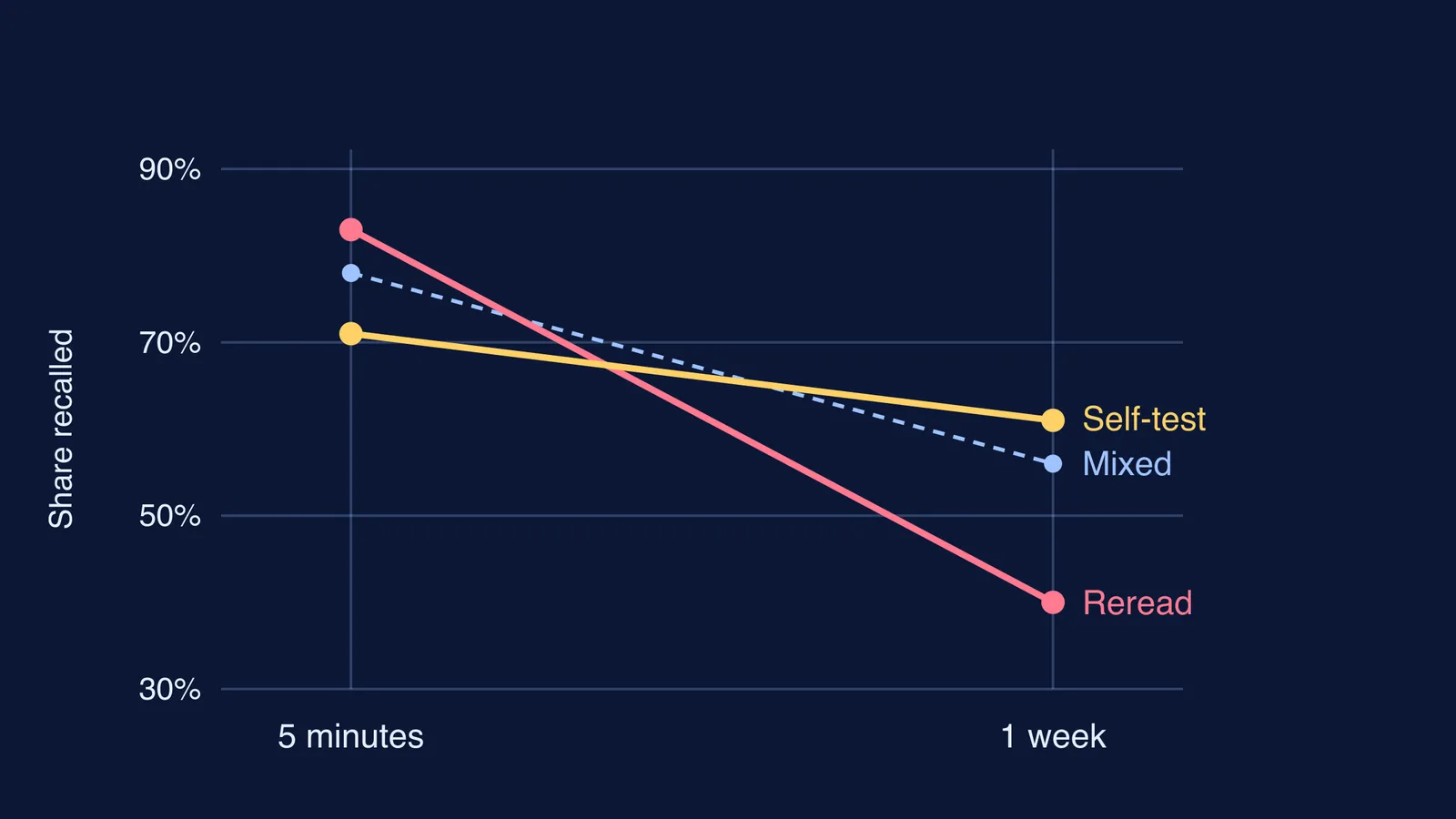
A review of ten common study techniques rated two as high utility: practice testing and distributed practice, meaning self-testing and spacing study over time (Dunlosky et al., 2013). In another study, students who took recall tests on prose passages remembered substantially more two days or a week later than students who reread them (Roediger and Karpicke, 2006). The plan below is built on those two techniques.
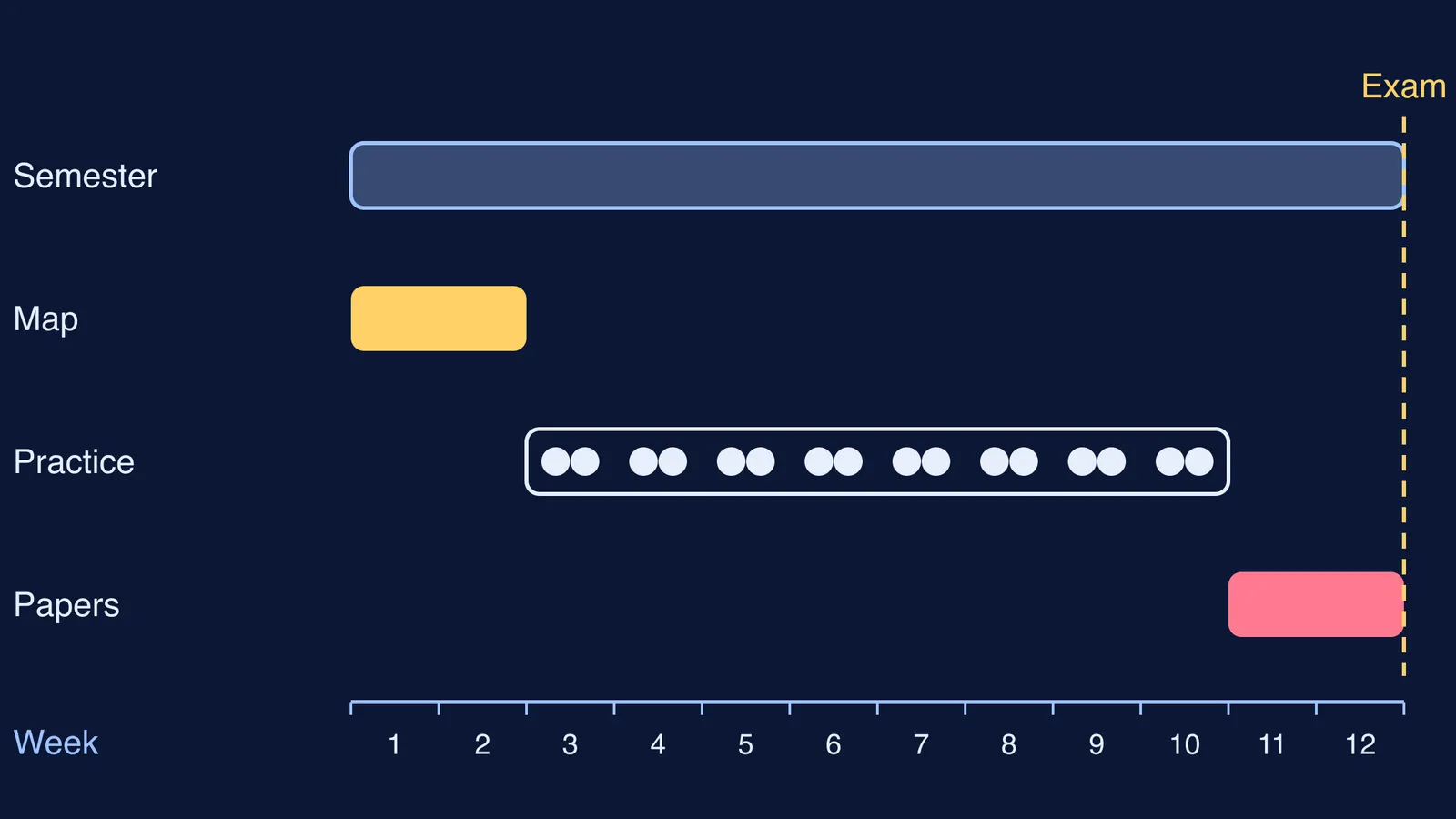
Worked example: your child failed Engineering Mathematics II, and the next sitting is about 12 weeks away.
Weeks 1-2, map it. Collect the syllabus, old question papers and the marks breakdown. Mark each unit strong, shaky or blank, and submit the exam form.
Weeks 3-10, practise. Two fixed sessions a week of about 90 minutes. Each starts with three old questions solved without notes, then studies only what went wrong. Revisit each unit a week later.
Weeks 11-12, rehearse. Two full past papers under exam timing, marked strictly, then a fix-up session on the weakest unit.
Throughout, protect the current semester. Attendance and internals come first, so this semester does not create the next backlog.
When the mistakes are in method rather than memory, the Fermi Problem Library has worked problems with a step-by-step solver that explains the reasoning rather than printing an answer. For units marked blank, Fermi's AI tutor can work out what your child already knows and build a plan for the session, so each sitting starts with a clear next step.
How can parents support without taking over?
Your role is the scaffolding, not the studying:
Ask once a week, on a fixed day: "Which sessions happened? What is next week's unit?"
Pay the form fee early and put the exam date on the family calendar.
Keep the news private from relatives unless your child chooses to share it.
Notice method out loud ("you redid the questions you got wrong"), not just marks.
If it was a first-semester failure, read what to do after failing a subject in first semester.
When is it more than a study problem?
Sometimes a backlog is the visible sign of something else: skipped classes because of low mood, poor sleep, withdrawal from friends, or hopeless talk. If you notice these, take them seriously and involve the college counsellor or a doctor. Tele MANAS, the free 24x7 national mental-health helpline from the Ministry of Health and Family Welfare, answers on 14416 or 1800-891-4416 (details).
Start this week: read the regulations together, then have the first calm talk.