On this page
Biomolecules is a short chapter that NEET can test from two directions, biology and chemistry. So prepare it once, from the right NCERT pages, not twice from two different guides.
Is Biomolecules in the NEET 2026 syllabus?
Yes, and it appears twice. The NEET (UG) 2026 syllabus finalised by the National Medical Commission lists "Chemical constituents of living cells" under Biology Unit 3 (Cell Structure and Function): the structure and function of proteins, carbohydrates, lipids and nucleic acids, plus enzyme types, properties, action, classification and nomenclature. The same document has a separate Chemistry Unit 19 called Biomolecules, covering carbohydrates, proteins, vitamins, nucleic acids and hormones. The National Testing Agency also posts the syllabus on its NEET (UG) site.
Neither page says how many questions come from this chapter, so treat any weightage figure you see online as a guess, not a fact.
Which NCERT chapters cover Biomolecules for NEET?
Class 11 Biology, Chapter 9: Biomolecules (2026-27 reprint). This is your main text for the Biology unit.
Class 12 Chemistry Part II, Unit 10: Biomolecules. This covers the Chemistry unit and adds detail on sugars, vitamins and nucleic acid linkages.
Chapter numbers moved when NCERT rationalised its books, so check the contents page of the current reprint before you follow an older guide's chapter references. Our note on how to check the rationalised NCERT syllabus shows how.
What to master in each part of the Biology chapter
Read the Biology chapter in this order and make one page of notes per block, in your own words.
How tissue is analysed. Section 9.1 explains the acid-soluble and acid-insoluble fractions, and section 9.3 explains why lipids end up in the insoluble fraction even though they are small: grinding breaks membranes into fragments that do not dissolve in water.
Carbohydrates. Cellulose is a homopolymer of glucose, starch stores energy in plants, glycogen does it in animals, and inulin is built from fructose (section 9.5 of the Class 11 chapter). Starch can hold iodine in its helices; cellulose cannot.
Proteins. Proteins are heteropolymers built from 20 types of amino acids (section 9.4). Learn the four levels of structure and the examples NCERT attaches to them, such as haemoglobin's four subunits.
Lipids. Fatty acids, glycerol, glycerides and phospholipids such as lecithin. Note the carbon counts NCERT gives for palmitic and arachidonic acid.
Nucleic acids. Base, sugar and phosphate; purines versus pyrimidines; nucleoside versus nucleotide.
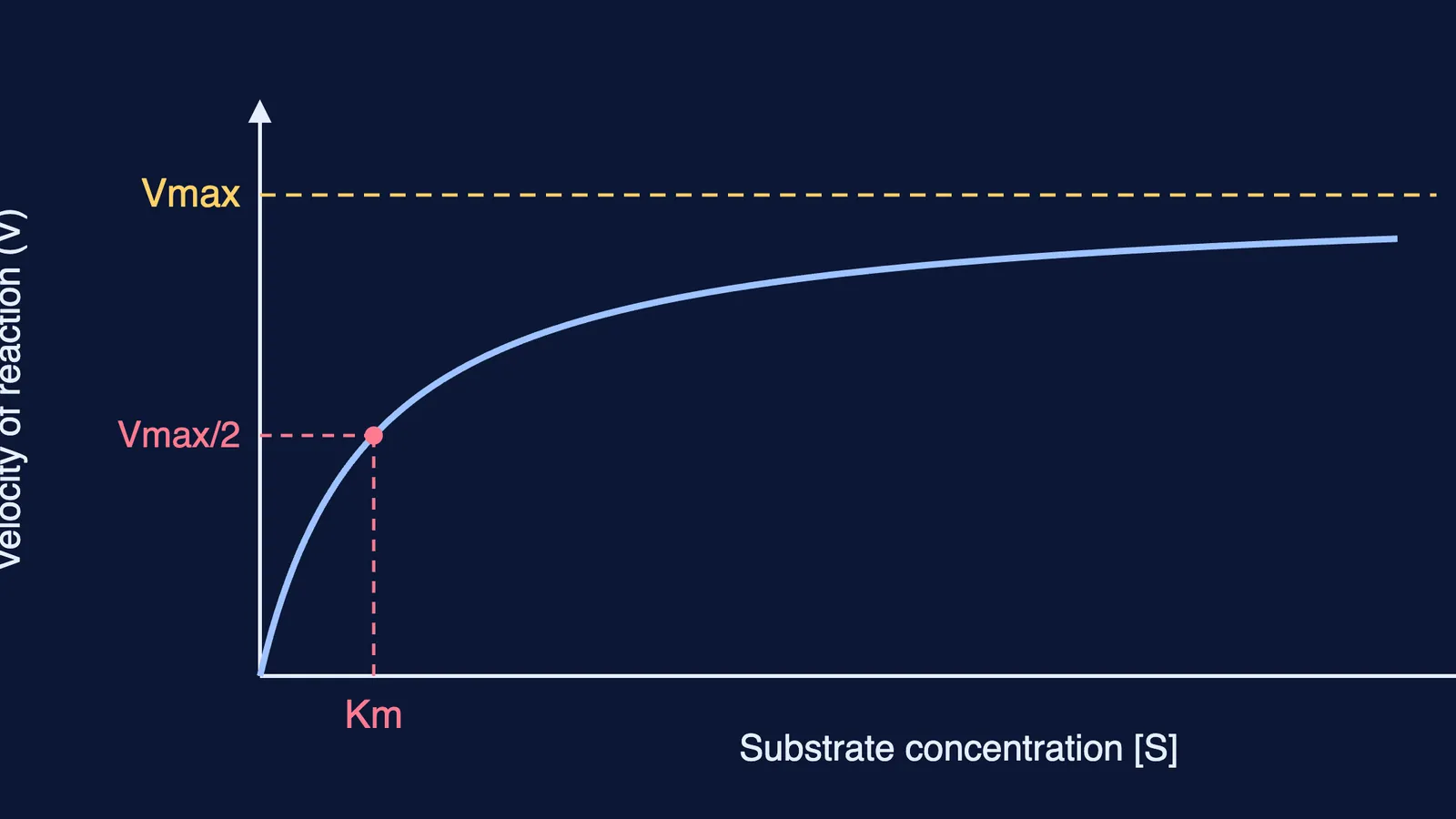
Enzymes. Active site, activation energy, the effect of pH, temperature and substrate concentration, competitive inhibition, the six enzyme classes and the three kinds of co-factors (section 9.8).
What are the common traps in Biomolecules?
Most errors in this chapter are pairs that look alike. Make a two-column list of these and test yourself on it.
Nucleoside vs nucleotide. A nucleotide has a phosphate group; a nucleoside does not (NCERT Class 11, Chapter 9).
Lipids as macromolecules. NCERT says lipids are not strictly macromolecules; they only separate with the acid-insoluble fraction.
Most abundant proteins. In animals the top spot goes to collagen; across all life on Earth it goes to RuBisCO.
Prosthetic group vs co-enzyme. Both are organic, but a prosthetic group is tightly bound (haem in peroxidase and catalase) while a co-enzyme binds only transiently.
Reducing vs non-reducing sugar. Sucrose is non-reducing because the reducing groups of both glucose and fructose are tied up in the glycosidic bond, while maltose and lactose are reducing (NCERT Class 12 Chemistry, Unit 10).
Denaturation. Secondary and tertiary structure are lost; primary structure stays intact (same Class 12 unit).
Km. It is the substrate concentration at which the reaction runs at half its maximum velocity (LibreTexts on Michaelis-Menten kinetics).
If one of these keeps slipping, the gap is usually in the concept rather than the memory. The Fermi Concept Library covers every concept in physics, chemistry, biology, mathematics and computing, so you can reread the idea behind a trap before you drill it again.
A seven-day revision plan for Biomolecules
This plan assumes about an hour a day alongside your other subjects.
Day 1: Read Class 11 sections 9.1 to 9.3. Write the acid-soluble and acid-insoluble lists from memory.
Day 2: Sections 9.4 to 9.7. Write a one-page summary: monomer, bond, example and function for each macromolecule.
Day 3: Section 9.8 on enzymes. Draw the activation-energy graph and the three panels of Figure 9.5 from memory.
Day 4: Class 12 Chemistry Unit 10, carbohydrates and proteins. Mark every point that adds to the Biology chapter.
Day 5: Unit 10, vitamins, nucleic acids and hormones.
Day 6: Previous years' NEET questions on this chapter, timed. Our guide on how to use previous year questions for JEE and NEET explains how to log each mistake.
Day 7: Redo only the questions you got wrong, then reread the trap list above.
Once this chapter is solid, the digestive enzymes in Class 11 make more sense; our piece on enzymes of pancreatic juice and succus entericus is a good next read.