On this page
A Roadside Stand is the fourth poem in the poetry section of Flamingo, the NCERT reader for Class 12 English Core, and the book's own About the book note in Flamingo sums it up as a poem on the rural-urban economic divide. Robert Frost first collected it in A Further Range, published in 1936, a book whose worries about the decline of the family farm are plain to see. Keep the NCERT chapter open as you read: the exam quotes the text, not a summary.
What does A Roadside Stand mean, part by part?
Line numbers follow the 51-line poem in the current NCERT Flamingo.
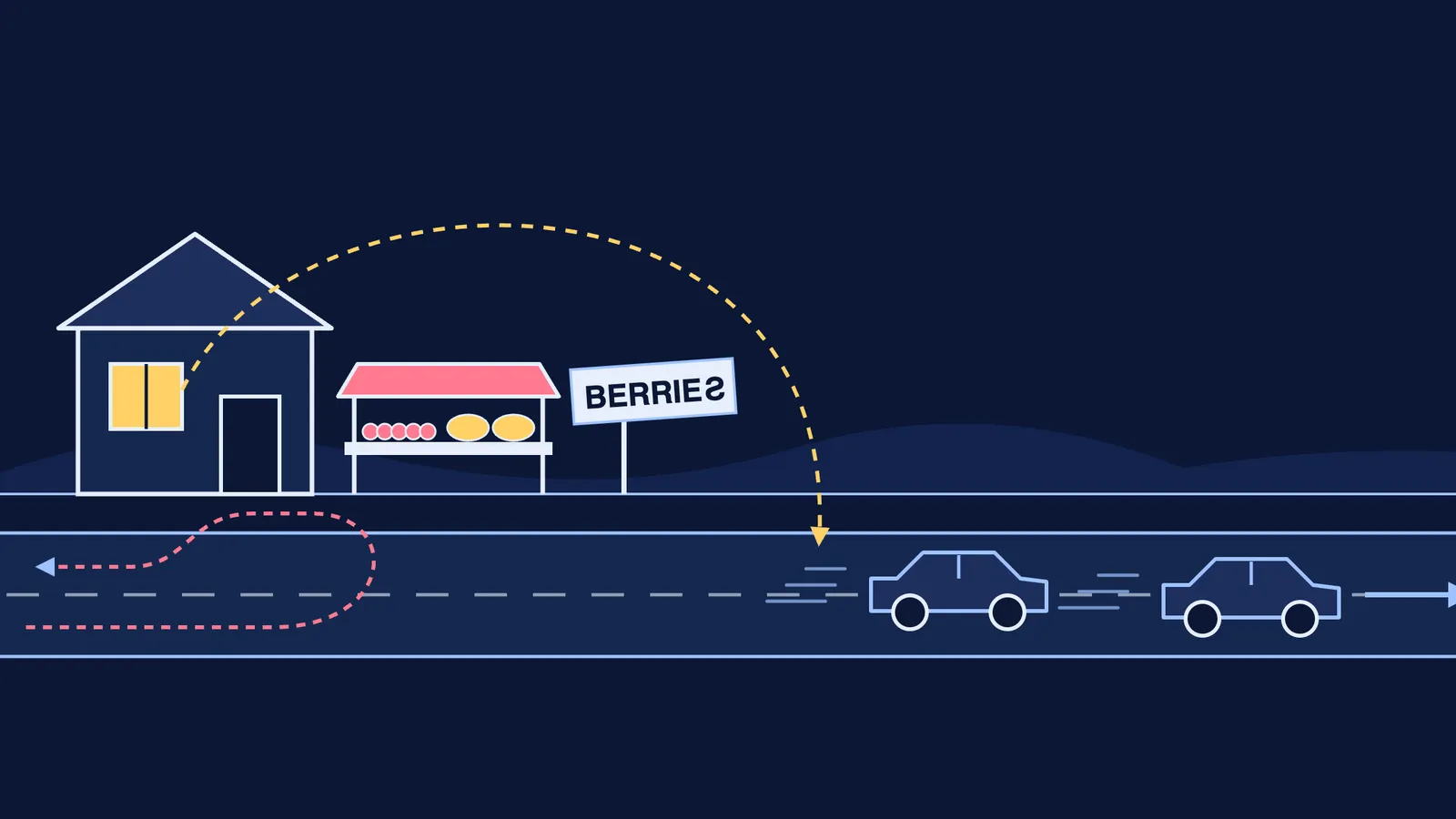
Lines 1-6, the stand. A poor farming family puts up a small shed by a busy road. They are not begging; they want a share of the city money that keeps city life blooming.
Lines 7-15, the passing traffic. The "polished traffic" of well-off drivers rushes on. Anyone who glances over is irritated that clumsily painted signs for berries and squash, with letters turned the wrong way, spoil the view. The family's silent, cross reply: you have money, so why be stingy?
Lines 16-22, the unspoken hope. What hurts the poet is the "trusting sorrow" the family never voices: the hope that a little city cash will bring the life films promise and, they feel, the powerful withhold.
Lines 23-31, the bitter news. The papers report a plan to buy such families out and resettle them near shops and cinemas. Frost calls the planners "greedy good-doers" and "beneficent beasts of prey": their help takes away independence, even the natural rhythm of sleep.
Lines 32-38, the waiting window. The poet can hardly bear the "childish longing" at the open window, waiting all day for the "squeal of brakes" and one car that asks a farmer's prices.
Lines 39-51, the cars that stop, and the poet's confession. The cars that stop only turn in the yard, ask the way, or want petrol. The poet admits a dark wish to end these people's pain at one stroke. Next day, back with "the sane", he turns it on himself: how would he like that offer made to him?
What are the themes of A Roadside Stand?
The rural-urban divide: the city has money and speed; the family has goods and no buyers.
Indifference, not hatred: nobody is cruel on purpose; the city simply does not look.
Help that harms: resettlement is offered as kindness but treats villagers as unable to think.
Dignity and conscience: the family asks for trade, not alms, and the poet corrects his own ugly thought.
Which poetic devices are used in A Roadside Stand?
Oxymoron: the phrase for the planners in part 4 joins kindness and predation.
Alliteration: the repeated g and b sounds in that same line.
Transferred epithet: the shine of the cars is given to the traffic, and so to the people inside.
Imagery: berries, squash, the open window, the brakes.
Irony and satire: a buy-out called mercy; help that arrives as a swarm.
Rhyme: the poem rhymes, but irregularly. The opening lines end on the same -ed sound, and other rhymes come and go, so meaning leads and sound follows.
How is A Roadside Stand asked in the Class 12 board exam?
The CBSE English Core curriculum for 2026-27 sets Section C, literature, at 40 marks. Three question types can come from this poem:
Poetry extract: one extract out of two from Flamingo, with 6 one-mark questions (6 marks).
Short answers: five out of six questions from Flamingo prose and poetry, 40-50 words each, 2 marks each (10 marks).
Long answer: one question out of two from Flamingo prose or poetry, 120-150 words, 5 marks, testing analysis and evaluation.
A worked plan for a 5-mark answer on the gap between city and village, about 130 words:
Claim (20 words): a family wanting fair trade is ignored by city travellers.
Evidence (35 words): the rushing traffic and the complaint about the signs.
Evidence (35 words): the resettlement plan and the oxymoron that exposes it.
Evidence (25 words): the waiting window and the cars that stop for the wrong reasons.
Close (15 words): the poet's self-correction, linked to India's own highway fruit stalls.
For 2-mark answers, one point plus one short phrase from the poem fills 40-50 words. To compare this poem with others in the same section, see our notes on Keeping Quiet by Pablo Neruda and My Mother at Sixty-six. Using AI to list devices? See how to check AI's figures of speech in NCERT poems.
If physics or maths keeps pushing English revision to the last night, Fermi's AI tutor can work out what you already know and build a plan for the session, so you sit down to a clear next step.