On this page
Kamala Das (1934-2009) was born in Malabar, Kerala, and published novels and short stories in English and Malayalam under the name Madhavikutty, according to the poet's note in the NCERT Flamingo textbook chapter. My Mother at Sixty-six is the first poem in Flamingo's poetry section. The textbook's own pre-reading question sets the subject: what do our elderly parents expect from us?
What is My Mother at Sixty-six about?
Here is the NCERT text in our own words. One Friday morning, the poet is on the drive from her parents' home to Cochin, and her mother is sitting beside her. The mother dozes with her mouth open. Her face looks ashen and lifeless, like a dead body's. With a jolt of pain, the poet realises that her mother is as old as she looks.
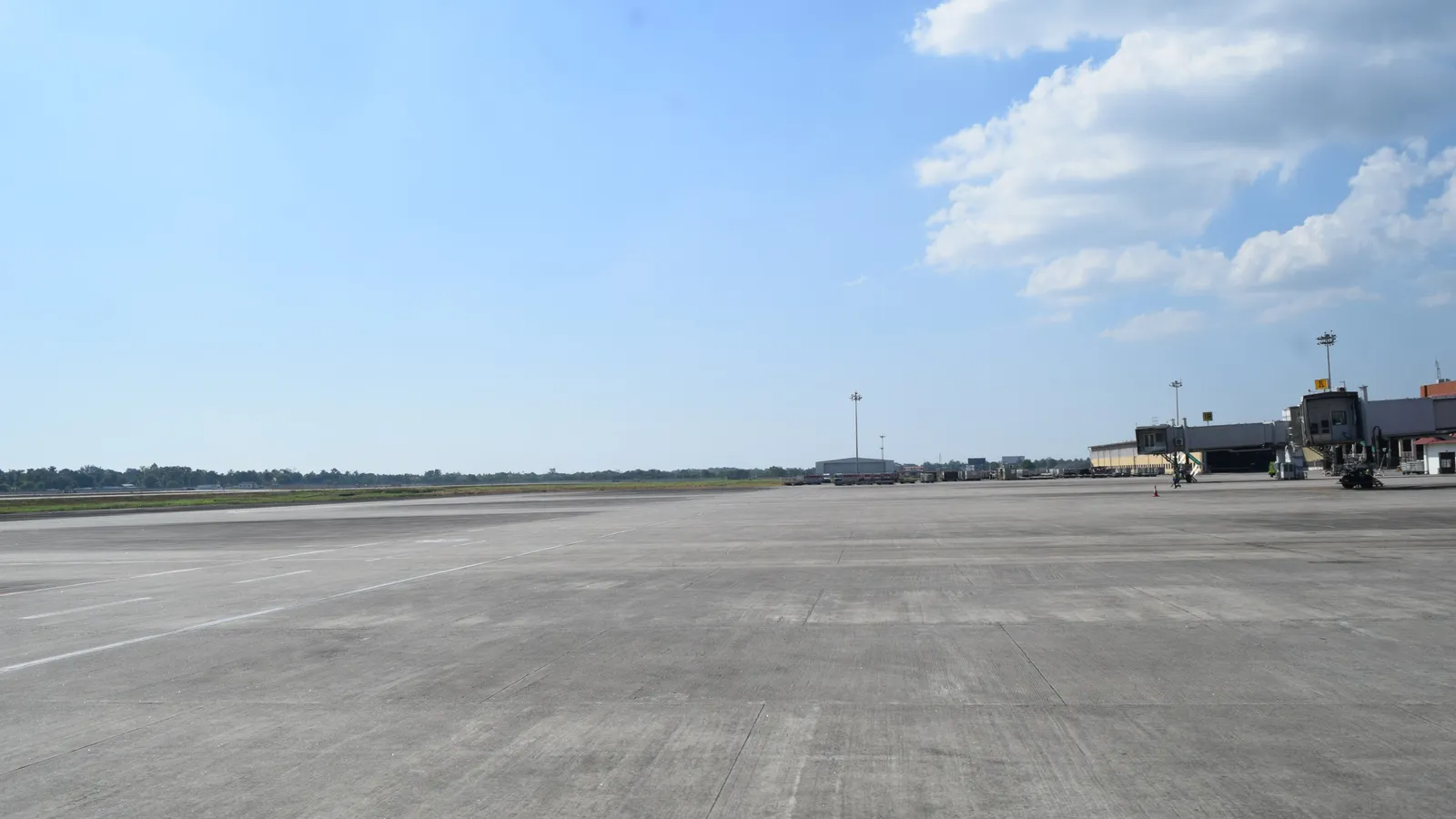
She pushes the thought away and looks out of the window. Young trees seem to race past, and cheerful children pour out of their homes. Then, after the airport's security check, she looks at her mother again from a few yards away. The mother looks wan and pale, like a late winter's moon. The poet feels an old, familiar pain, the fear she had as a child, which most readers take to be the fear of losing her mother. Yet all she says is "see you soon, Amma", and all she does is smile, again and again.
What are the main themes of My Mother at Sixty-six?
Ageing and the fear of loss. The corpse simile is not cruel: it is the moment the poet sees death as near and real.
Life against decay. The sprinting trees and spilling children are full of speed and youth, beside a mother who is still and fading.
Hiding what you feel. The parting words are cheerful and ordinary. The smile covers the ache instead of showing it.
Leaving and duty. The daughter goes on; the mother stays behind. The poem never names guilt, but the repeated smile and the hopeful "soon" can be read as carrying it.
Who are the characters in the poem?
The poet (the daughter). Observant and honest. She admits a frightening thought, then escapes it by looking outside. At the airport her childhood fear returns: a grown daughter can still feel like a child before a parent's ageing. She chooses composure over tears.
The mother. Sixty-six, dozing on the drive and silent throughout. We see her only through her daughter's eyes: pale and wan (the textbook glosses wan as colourless). Her silence makes the goodbye heavier.
How is it tested in the CBSE Class 12 board exam?
In the CBSE English Core curriculum for 2026-27, My Mother at Sixty-six is listed under Flamingo poetry, and Section C (Literature) carries 40 marks. Flamingo poetry can appear in three ways:
One poetry extract out of two, worth 6 marks (six 1-mark questions).
Short answers from Flamingo prose and poetry, 40-50 words each; you answer five of six, for 10 marks.
One long answer from Flamingo prose or poetry, 120-150 words, worth 5 marks, one out of two.
The 2025-26 pattern was the same; check the CBSE curriculum page for your session.
What questions are likely from My Mother at Sixty-six?
Start with NCERT's five "Think it out" questions in the Flamingo chapter, because they cover the poem's central images:
What is the kind of pain and ache that the poet feels?
Why are the young trees described as 'sprinting'?
Why has the poet brought in the image of the merry children 'spilling out of their homes'?
Why has the mother been compared to the 'late winter's moon'?
What do the parting words of the poet and her smile signify?
Also be ready to name the two similes (corpse, late winter's moon) and contrast the still mother in the car with the moving world outside.
Worked example: question 5 in 40-50 words, the CBSE short-answer length, in three moves: point, evidence, meaning.
"The poet's cheerful 'see you soon, Amma' and her repeated smile hide her fear of losing her ageing mother. They comfort the mother, and the poet herself, with hope of meeting again. The repetition shows how hard she is working to keep her feelings in check."
That is 46 words, with one short quotation and no retelling.
A 20-minute revision plan:
Minutes 1-5: retell the poem aloud in five beats: the car, the ashen face, the trees and children, the look back at the airport, the smile.
Minutes 6-10: write the two similes and one line on what each shows.
Minutes 11-15: answer one of the five questions in 40-50 words, timed.
Minutes 16-20: check it for point, evidence and meaning, and fix one thing.
When English is done and you turn to physics or maths, Fermi's AI tutor can work out what you already know and build a plan for the session, so you sit down to a clear next step.
Tonight, read the poem once more, slowly, as one long breath, then answer question 4 in your own words.