On this page
Months of mocks, coaching and school can leave you drained. Usually a good night’s sleep fixes it; sometimes it is something heavier that sleep does not touch. Here is how to tell the two apart, and a seven-day plan to recover.
How is burnout different from being tired?
Tiredness has a cause you can name, such as a late night or a long test day, and it fades after sleep and a lighter day. Burnout builds up over weeks of stress that nobody is managing, and rest on its own does not clear it.
The World Health Organization describes burn-out as a syndrome resulting from chronic workplace stress that has not been successfully managed (WHO). It has three dimensions: exhaustion, mental distance or cynicism, and reduced efficacy. WHO calls it an occupational phenomenon, not a medical condition, and limits the term to work, so it does not formally apply to students.
Researchers who study students use a parallel idea. School burnout has three dimensions: exhaustion at school, cynicism toward the meaning of school, and a sense of inadequacy at school (Salmela-Aro and colleagues, 2009). Tested with 1,418 adolescents, the three signs proved closely related but separate.
What are the signs of burnout in students?
Use those three dimensions as a checklist. One bad day is not burnout. If all three have been true for several weeks, treat it as more than tiredness.
Exhaustion: you wake up tired after a full night, and sitting down at the desk feels heavy before you have opened a book.
Cynicism: you catch yourself thinking “what’s the point” about chapters you used to enjoy, and you stop going to doubt sessions.
Inadequacy: nothing you do feels like enough, and a decent mock score feels like luck.
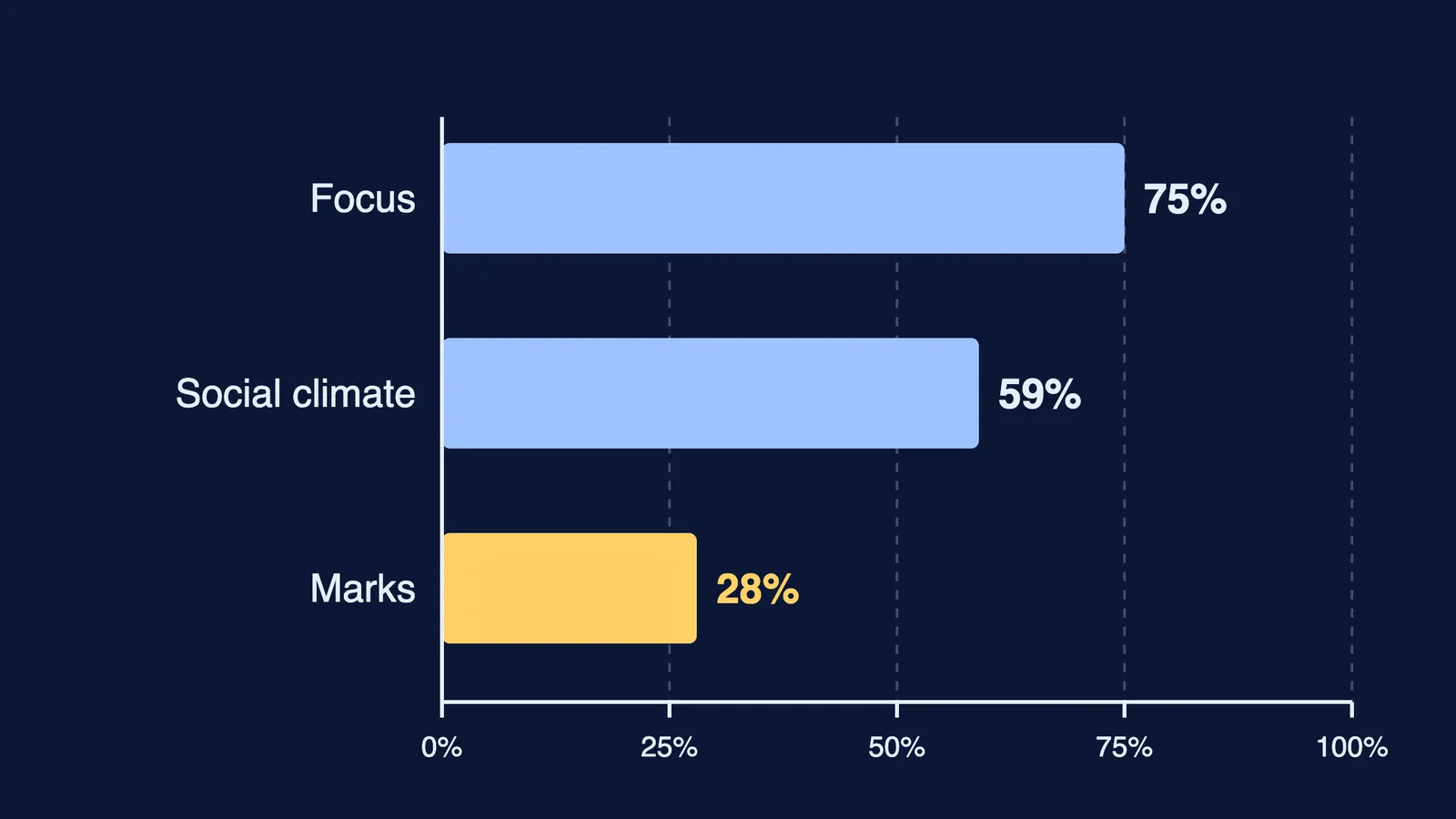
This matters for marks as well as mood. A meta-analysis by Madigan and Curran pooled 29 studies covering 109,396 students and found that burnout was linked to lower academic achievement (Educational Psychology Review, 2021). Reduced efficacy, the feeling of inadequacy, had the strongest link. These studies show an association, so read it as a warning sign, not a verdict on you.
How do you recover from burnout in a week?
A week will not undo months of strain, but it can stop the slide and give you a way back in. The plan cuts the load first, then adds study back in small pieces you can win, because the feeling of inadequacy is the sign most strongly linked to marks.
Sleep comes first. The American Academy of Sleep Medicine recommends that teenagers aged 13 to 18 sleep 8 to 10 hours per 24 hours on a regular basis (Paruthi and colleagues, 2016).
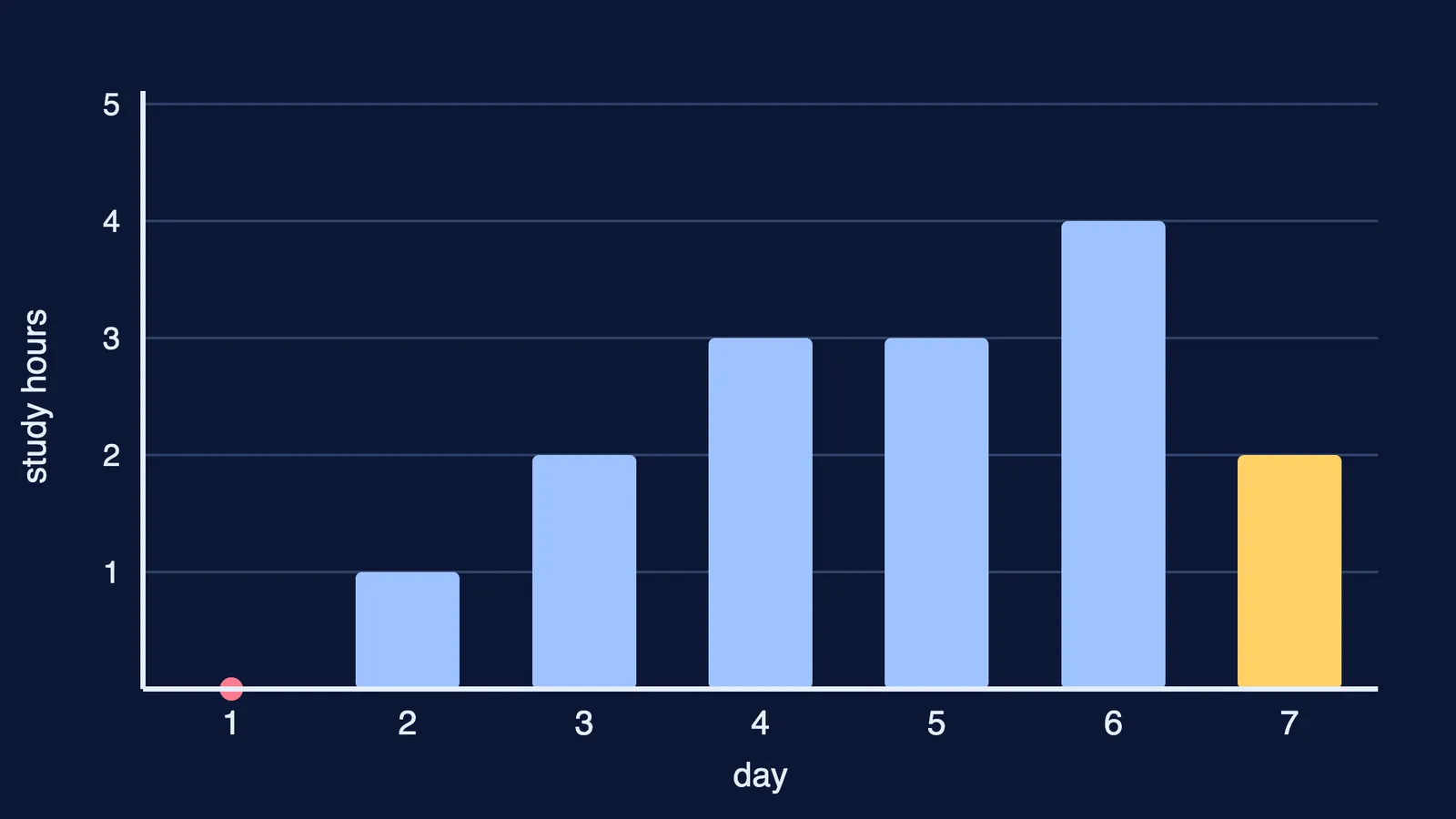
Day 1: no study. Keep a regular sleep window, go outside, eat proper meals and tell one person how you have been feeling.
Day 2: one hour on a topic you like and are good at. Stop when the hour ends, even if it is going well.
Day 3: two hours. Write a list of what is pending, and only a list.
Day 4: three hours on one weak topic, in short blocks with real breaks.
Day 5: three hours, including a short timed set of questions you can mostly solve.
Day 6: four hours at close to your normal pace, but no full mock yet.
Day 7: two hours, then plan next week lighter than your old timetable, with one free half-day.
If you sit down on day 2 or 3 and cannot decide where to restart, Fermi’s AI tutor can work out what you already know and build a plan for the session, so the first hour back is a clear next step instead of a blank page.
What can parents say to a burnt-out child?
Your first words decide whether your child tells you more. Swap pressure for curiosity:
Instead of “You just need to push harder”, try “You seem worn out lately. What has the last month been like?”
Instead of “Everyone else is managing”, try “Let’s make this week lighter and plan the restart together.”
Instead of “Think of your rank”, try “I care about how you are doing more than any score.”
Then protect the recovery week. Our guides on setting aside exam-free time when JEE talk takes over the house and on four things to check when a child is tired after school every day help with both.
When should you get professional help?
This plan is everyday guidance, not treatment. Talk to a doctor or a counsellor if the low feeling is there most days, if sleep or appetite has changed a lot, if things are no better after the week, or if you have any thoughts of harming yourself.
In India, the Ministry of Health and Family Welfare runs a national mental health helpline, listed on the official Tele MANAS website.
Save one of those numbers in your phone today.