On this page
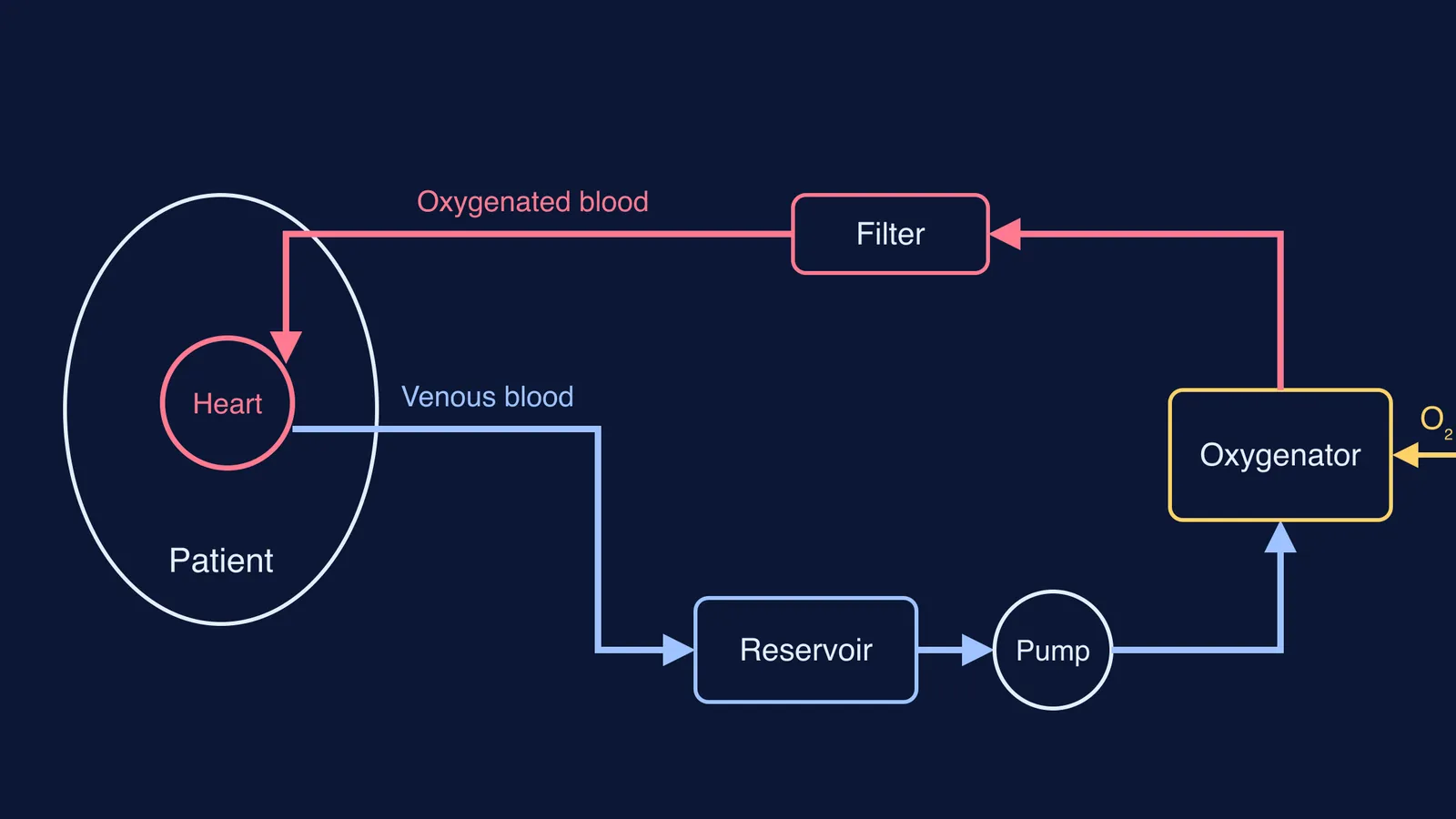
In open-heart surgery, the surgeon often needs the heart still and empty of blood. Someone still has to keep oxygen reaching the brain, kidneys and every other organ. That person is the perfusionist. NHS Health Careers describes the job as controlling the heart-lung machine, "which temporarily takes over a patient's respiration (breathing) or circulation of blood (or both) during open-heart surgery".
If you are taking PCB in Class 12 and want a hands-on hospital career outside MBBS, this one deserves a close look.
What does a perfusionist do in heart surgery?
Perfusion technology is the health science of extracorporeal circulation: keeping blood moving through machines outside the body, according to the JIPMER BSc Perfusion Technology curriculum%20Perfusion%20technology%20CurriculuM.pdf).
That curriculum lists what a graduate should be able to do:
run cardiopulmonary bypass using a heart-lung machine
use a heater-cooler to control the patient's core body temperature
run a cell saver, which conserves blood lost during surgery so it can be reused
monitor blood flow and vital signs, and know the drugs, fluids and blood products used
support patients who need extracorporeal circulation in emergency resuscitation, and operate intra-aortic balloon pumps
JIPMER adds that perfusionists may also set up ECMO (extracorporeal membrane oxygenation) for patients with severe lung failure in intensive care, and help with heated chemotherapy during some cancer operations. In theatre you work alongside cardiothoracic surgeons, anaesthetists, cardiologists and theatre nurses, says NHS Health Careers.
Perfusion technology was first introduced in India in 1968 at AIIMS New Delhi, according to an editorial by R. Manu and P. Sainath in the Journal of Chest Surgery. The same editorial says perfusionists caring for COVID-19 patients on ECMO worked 8 to 12 hours a day on average, and that burnout among them was high. Expect long, intense shifts. For the story of the machine itself, read about John Gibbon and the heart-lung machine.
Is perfusion technology a recognised allied health course in India?
Yes. The National Commission for Allied and Healthcare Professions Act, 2021 lists "Perfusionist" by name in its Schedule, under Cardio-vascular, Neuroscience and Pulmonary Technology Professionals. The Act also provides for central and state registers of allied and healthcare professionals.
Cardiovascular technologists and ECG and echo technologists sit in the same group. If you love the heart but want a different daily job, compare this course with cardiac care technology: ECG, echo and cath lab. For the wider picture, see our guide to allied health science courses after 12th PCB.
What does the BSc Perfusion Technology course involve?
Every institute sets its own rules, so treat JIPMER Puducherry's 2021 curriculum as one worked example, not a national standard. The JIPMER curriculum%20Perfusion%20technology%20CurriculuM.pdf) describes a four-year (48-month) BSc: three years of classes and one year of compulsory internship.
Eligibility at JIPMER: Indian national, at least 17 years old; Class 12 with Physics, Chemistry, Biology and English; at least 50% in PCB taken together (40% for SC, ST and OBC candidates).
Year 1: a foundation course, anatomy, physiology, pathology, microbiology and an introduction to perfusion.
Year 2: applied anatomy and physiology, applied pathology and pharmacology, and biomedical engineering with fundamental perfusion technology.
Year 3: the pathophysiology and clinical use of cardiopulmonary bypass, paediatric perfusion, and advanced and special perfusion.
Year 4: an internship with hands-on training on the heart-lung machine, heater-cooler, ECMO, balloon pump and cell saver.
JIPMER's teaching-hours table shows how fast the hands-on share grows. Each of the three class years has 1,080 hours. In Year 1, 680 of those are practical (about 63%). In Years 2 and 3, practical work is 840 of 1,080 hours (about 78%). Then comes the internship year of hands-on training.
The rules are strict. JIPMER requires 75% attendance in theory and in practicals separately, with no condonation, and allows at most four attempts in any subject.
Is a perfusion technology career right for you?
Test yourself against the work:
You enjoy cardiovascular physiology: pressure, flow, oxygen and blood gases.
You can stay calm and careful for hours when one small slip could matter.
You are comfortable with machines, numbers and checklists, not only patients.
You can handle blood, long operations and emergency calls.
You are happy to be an essential part of a team rather than the person leading it.
If the physiology feels shaky, the Fermi Concept Library has a lesson on every biology concept, so you can rebuild the circulation chapter before your first anatomy class.
Before you join, ask each college these questions:
Which university awards the degree, and is it a full BSc?
How many open-heart operations does the attached hospital do in a year?
Will I see children's cases, ECMO and the balloon pump, or only adult bypass?
Where does the internship happen, and is it paid?
Where have recent graduates found jobs?
Compare the answers. A busy cardiac surgery department means more real cases to learn from.