On this page
If you enjoy science but do not want to spend your life at a lab bench, patent work is worth a look. It is a legal career in India where your physics, chemistry or biology degree is the entry ticket, not a side detail.
What does a patent agent actually do?
IP India describes a patent agent as "a qualified professional registered under the Patents Act, 1970, who is authorized to practice before the Patent Office" (IP India, Patent and Trade Mark Agent page). The same page lists the work agents help with: drafting patent specifications, filing applications, responding to examination reports and representing applicants in hearings.
The law gives registered agents the right to practise before the Controller of Patents and to prepare documents and transact business in proceedings under the Act (Section 127, Patents Act).
In practice, the heart of the job is the specification. Under Section 10(4) of the Patents Act, a complete specification must "fully and particularly describe the invention", disclose the best method of performing it that the applicant knows, and end with claims defining the scope of protection. Clients can include inventors, startups, research labs and companies, and you sit between their science and the Patent Office.
How do you become a patent agent with a science degree?
Section 126 of the Patents Act sets the conditions for entering your name in the register of patent agents:
You are a citizen of India.
You are at least 21 years old.
You hold a degree in science, engineering or technology from a university established under law in India (or an equivalent qualification the Central Government specifies).
You have passed the qualifying examination (the other route is at least ten years working as a patent examiner or carrying out the functions of the Controller).
You pay the prescribed fee.
Notice what is not on that list: a law degree. A BSc, BTech or MSc is what opens the door.
What is the Patent Agent Examination like?
The Office of the Controller General of Patents, Designs and Trade Marks runs the exam. Its 2026 public notice set out this structure:
Paper I: two hours, 100 marks, multiple-choice questions where one or more options can be correct.
Paper II: three hours, 100 marks, descriptive.
A viva voce, held only for candidates who score at least 50% in each written paper.
The syllabus in that notice covers the Patents Act 1970, the Patents Rules 2003, the Designs Act 2000, the Designs Rules 2001 and IP jurisprudence. The 2026 application fee was Rs 1,600, and candidates chose Hindi or English when applying.
To pass, IP India's page says you need at least 50 marks in each paper and 60% of the total in aggregate (IP India). That page also carries registration for the 2027 exam and past papers. Dates and fees change each year, so check it before you plan.
Why does a science background help?
IP India says Paper II covers drafting and interpretation of patent specifications, design specifications and other documents (IP India), and a specification only works if you understand the invention. Consider a client who has built a solar dryer for chillies with a tilted reflective panel and a mesh tray. You need to know:
Which parts are essential, and which are just one way of building it.
Why the panel angle matters (optics), why airflow under the mesh matters (heat transfer), and what happens to moisture (a bit of chemistry).
How someone could make a slightly different version that still does the same job, because your claims need to cover that too.
If you can trace cause and effect, as you do when you explain why a formula works, you start with an advantage. If your basics in a topic feel shaky, the Fermi Concept Library has a lesson for every concept in physics, chemistry, biology, mathematics and computing, so you can rebuild the idea before you try to describe it in legal language.
A practice plan for students and graduates
You can test your interest long before you turn 21.
In Class 11 or 12: pick a gadget at home and write one paragraph naming every part and what it does. Then write one sentence that captures only the parts that are essential.
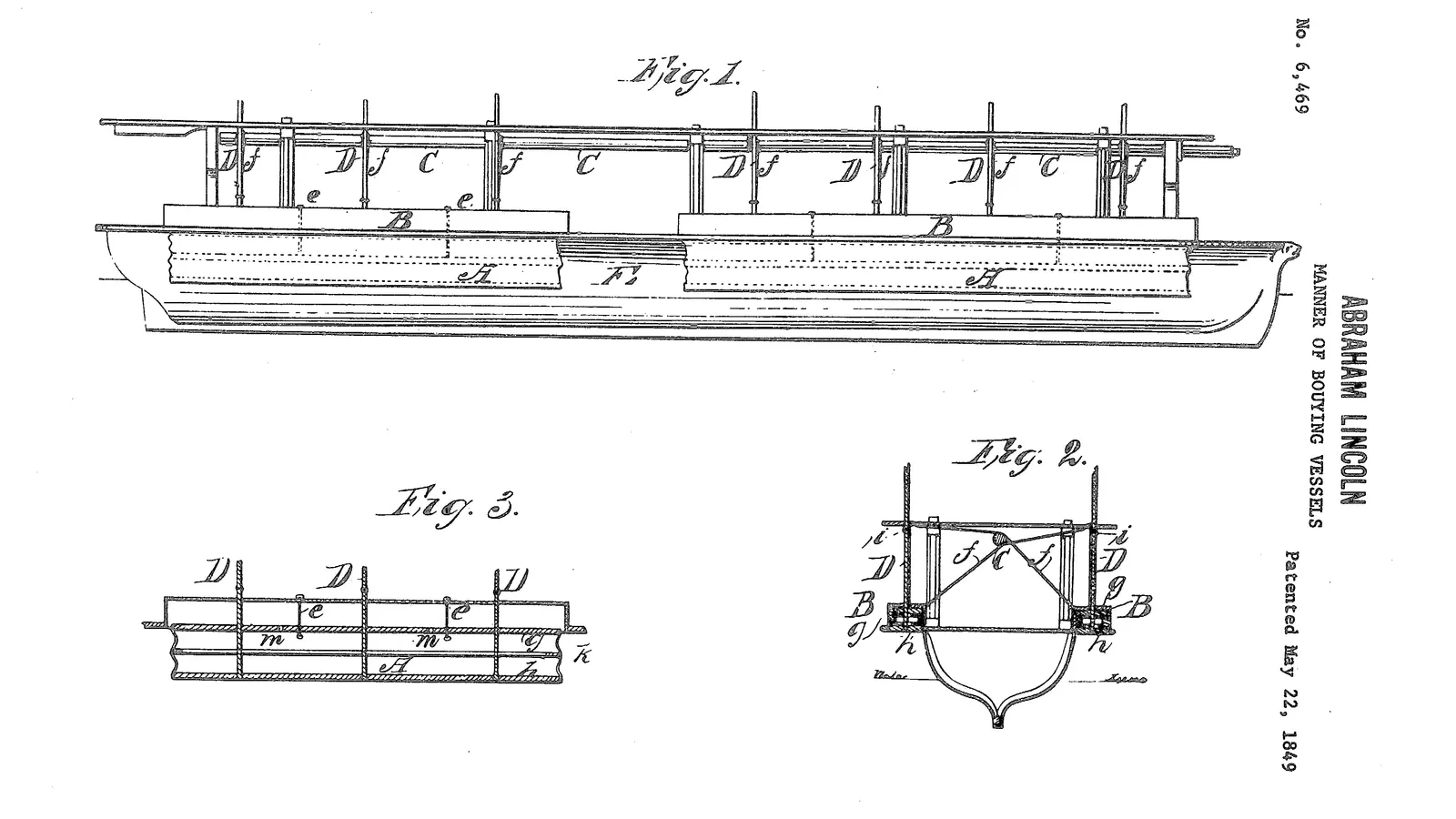
During your degree: read real granted patents in your subject and compare the drawings with the claims. Our story on how Lewis Latimer drew Bell's telephone patent drawings shows how much those figures carry.
In your final year: read the Patents Act and Rules themselves. The 2026 notice says the office does not recognise any training institute and advises candidates to read the Act and Rules.
Before applying: solve the past papers on the IP India page under timed conditions, especially Paper II drafting.
If the government side appeals more, compare this route with patent examiner jobs for science and engineering graduates. If you are thinking of a full law degree later, read our guide to IP and tech law routes for science students.