On this page
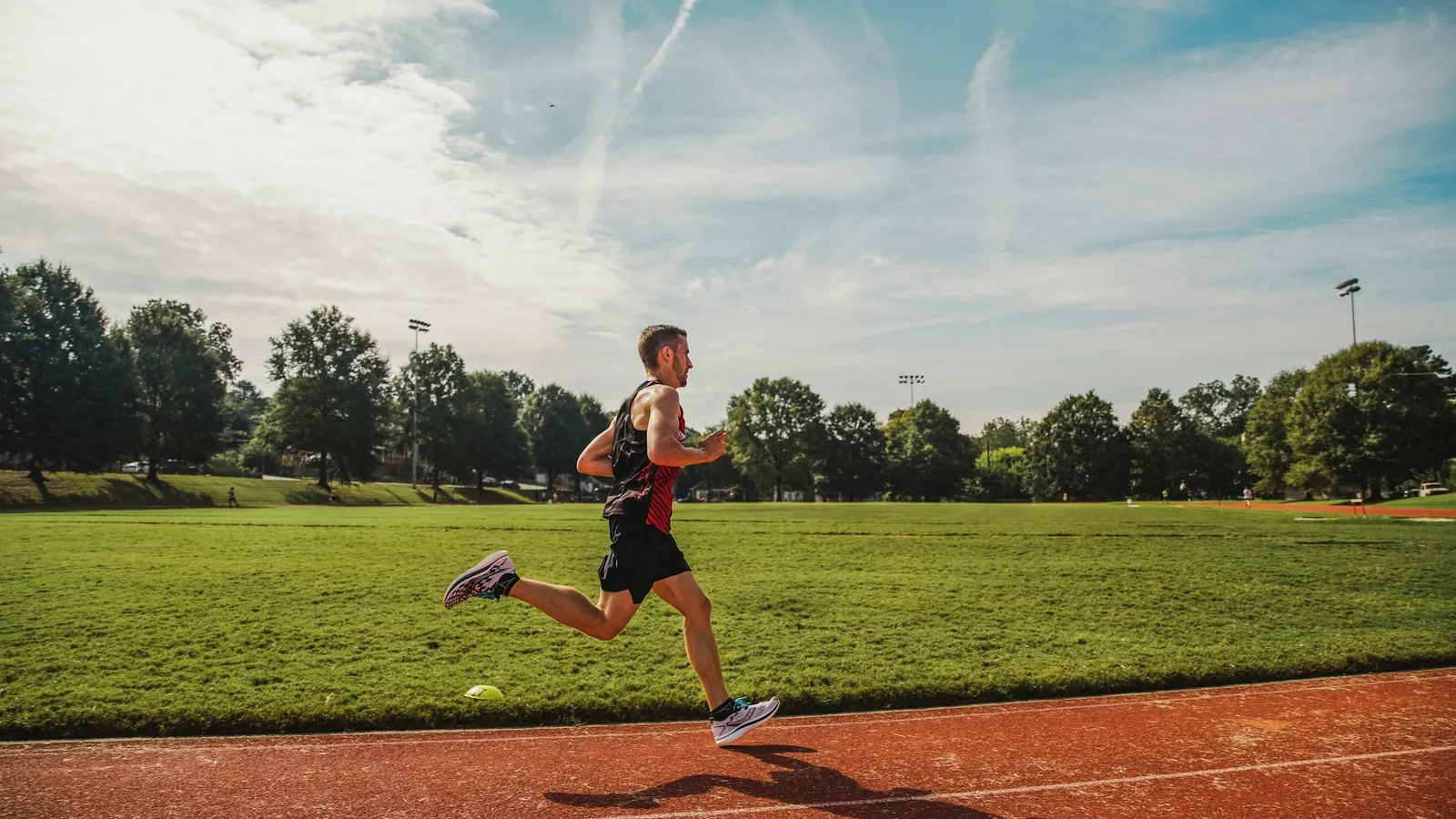
In exam years, sport and play are often the first things to go. The timetable fills with coaching, school and tests, and the hour of football or cycling looks like a luxury. The research suggests that trade is worse than it looks, though the evidence is more modest than headlines claim.
What do the big reviews actually say?
A widely used summary is a 2016 position stand by Joseph Donnelly, Charles Hillman and colleagues in Medicine & Science in Sports & Exercise. They searched studies of children aged 5 to 13 published from 1990 to 2014. Their conclusion: most research supports the view that fitness, single bouts of activity and activity programmes benefit children's cognitive functioning. On academic results they were more careful. Cross-sectional and long-term studies look favourable, but controlled experiments on academic performance gave mixed results, and many studies had design weaknesses.
A later review in the British Journal of Sports Medicine by Amika Singh and colleagues looked only at intervention studies and rated their quality. Just 11 of the 58 studies they found were rated high quality. In those, 15 of 25 analyses of academic performance found a significant benefit, and for mathematics six of seven outcomes favoured the activity group. The authors called the evidence for cognitive and overall academic performance inconclusive, but judged the evidence for maths strong.
A 2017 meta-analysis in Pediatrics pooled 26 studies covering 10,205 children aged 4 to 13. Activity programmes had small positive effects on maths, reading and composite scores, and a larger effect on time spent on-task in class.
So the fair summary is this: moving more does not hurt learning, it usually helps a little, and it seems to help attention and on-task behaviour more clearly than test scores. Most of the studies are of younger children, so for teenagers the evidence is suggestive rather than settled.
Does a short walk before studying help?
Some of the most practical evidence comes from single bouts of exercise. In a small study in Neuroscience, Charles Hillman's team had 20 children aged about nine and a half walk on a treadmill for 20 minutes at moderate intensity. Afterwards, compared with a resting session, they were more accurate on an attention task and did better on an academic achievement test.
Classroom studies point the same way. A 2017 meta-analysis in the International Journal of Behavioral Nutrition and Physical Activity found that physical activity built into lessons improved on-task behaviour, though it found no clear effect on cognitive function measures. Again, these were primary school pupils.
How much activity is enough?
The World Health Organization's guidance for ages 5 to 17 is at least 60 minutes a day of moderate to vigorous activity, with muscle- and bone-strengthening activity at least three times a week. Most teenagers fall short. WHO's physical activity fact sheet reports that 81% of adolescents aged 11 to 17 were not active enough, with girls less active than boys.
A movement plan for a busy study week
You do not need a sports schedule. You need movement placed where it protects your study.
Before your hardest session: a brisk 15 to 20 minute walk, cycle or skipping set, then start the session within a few minutes. This mirrors the single-bout studies.
Between study blocks: stand up and move for five minutes instead of scrolling. If you use the Pomodoro method, read our look at what research says about breaks and focus.
Three longer sessions a week: football, badminton, dance, swimming or a run. Pick ones that also cover the WHO muscle and bone guidance.
On coaching days: walk part of the way, or take the stairs and a ten-minute walk after dinner.
Protect sleep first: do not swap sleep for a late workout. Our guide on why sleep before an exam beats an all-nighter explains why.
Track it for two weeks alongside a simple note of how focused each study session felt. If your hardest sessions go better after a walk, you have your own evidence.
What should parents take from this?
Cutting all sport in Class 11 and 12 can look like the sensible choice. The research does not support it: the 2016 review by Donnelly and colleagues found no indication that more physical activity harms cognition or academic achievement. A daily walk or a match three times a week costs little study time and may help the time that remains.
Once you sit down after that walk, use the time on active work. Pick one tough problem in the Fermi Problem Library, where a step-by-step solver explains the reasoning rather than printing an answer, and try it yourself before you check.