On this page
Sociology trains you to ask why people behave as they do in groups, then check your answer with evidence. Here are six routes, a working day in each, and a first-year plan.
What jobs can you get after BA sociology?
Social research and survey work. Entry titles include research assistant, field investigator and data associate, at survey agencies, research organisations and university projects. A typical day: brief surveyors, visit households with a questionnaire, check the answers, clean the data in a spreadsheet and write a short note on what you found. It suits careful people comfortable with numbers.
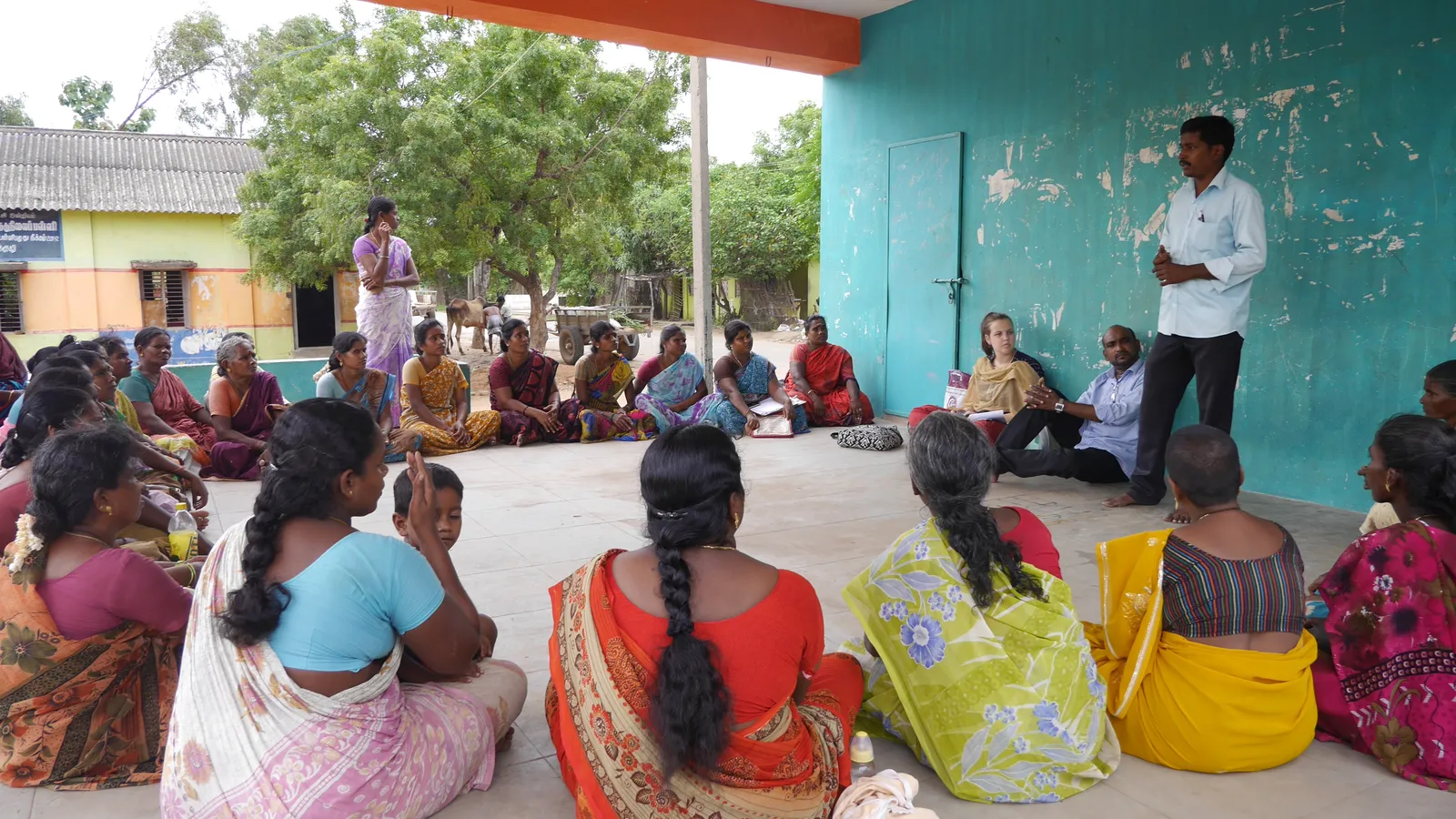
NGO programmes. A programme associate or field coordinator runs one project, say, girls' school attendance in a cluster of villages. Your week mixes community meetings, tracking targets and writing reports for funders. You need the local language, the ability to listen without judging, and tidy records. Our guide to finding an NGO internship and making it count shows how to get in the door.
CSR teams in companies. Corporate social responsibility (CSR) is a legal duty for larger Indian companies. Under Section 135(5) of the Companies Act, 2013, these companies must spend at least 2% of their average net profits from the previous three years on activities listed in the Act, according to a Ministry of Corporate Affairs reply in Parliament published by PIB in February 2026. The same reply lists reported CSR spending of ₹34,908.75 crore in 2023-24, up from ₹24,965.82 crore in 2019-20.
That money needs people who can judge whether projects worked. The same reply says companies with an average CSR obligation of ₹10 crore or more must have an independent agency assess the impact of projects costing ₹1 crore or more. Impact studies like these usually rely on surveys and interviews, which is sociology in practice. A CSR executive's day is site visits, calls with partner NGOs, budgets and reports.
Policy and governance. Think tanks, government fellowships and consultancies working with state departments hire graduates to study a scheme, summarise evidence, interview officials and beneficiaries, and draft briefs. Many start as research interns; a master's in sociology, development studies or public policy helps you move up.
HR and people teams. Recruiters and HR generalists draw on sociology: how teams form, why people leave, how to run a fair interview. A day might mean screening CVs, scheduling interviews and running an employee survey. You can apply for recruitment roles straight after a BA; an MBA in HR is one way to move up.
Teaching and academia. CBSE offers sociology as an elective for Classes 11 and 12 in its senior secondary curriculum, so schools hire sociology teachers; read the eligibility section of each recruitment notice for the qualifications it asks for. For colleges, sociology is a UGC NET subject, code 05 on the UGC NET subject list. NTA's UGC NET page says the test determines eligibility for Assistant Professor, and for Junior Research Fellowship and Assistant Professor, while actual hiring follows each university's, college's or state's rules.
Which sociology career fits you?
Match what you enjoy to a starting point:
You like talking to strangers and travelling: field research or NGO programmes.
You like spreadsheets and patterns: survey data roles, then research.
You like structure, targets and an office: CSR or HR.
You like reading and arguing a case: policy research.
You like explaining ideas: school teaching, or a master's and UGC NET for college.
Unsure? Take the first internship you can get near you; a few weeks of real work tell you more than any list. Parents can read our guide to career options after humanities, and if social work appeals, compare it with what a BSW leads to.
What should you do in your first year of BA sociology?
Tick these off by the end of year one:
Learn spreadsheet basics: sort, filter, pivot tables and a simple chart.
Take research methods and statistics seriously; averages, percentages and sampling show up in every route above.
Write a one-page field note after visiting a market, bus stop or ward office, recording what you saw, not what you assumed.
Interview a shopkeeper, a teacher and an auto driver about one topic and summarise where they agree and disagree.
Volunteer or intern with an NGO or a research project in your first long break.
Read one NGO annual report or company CSR report and note how it measures impact.
Keep a folder of your work: field notes, a survey you designed, a short report.
Strengthen one language: clear English writing, or fluency in the language of the area you want to work in.
If you get stuck on one of those ideas, the Fermi Concept Library covers every concept in mathematics, each with its own lesson, so you can revise exactly the one you need.
Pick one item from the checklist and start it this week.