On this page
The phrase 'ultra-processed' now turns up in headlines and in school WhatsApp groups. It comes from NOVA, a system that sorts food by how much industrial processing it has gone through and why, not by its calories. Once you know the four groups, you can place most packets in your kitchen in under a minute.
What are the four NOVA food groups?
The clearest guide is a 2019 paper by Carlos Monteiro and colleagues in Public Health Nutrition. It describes the groups like this:
Group 1, unprocessed or minimally processed: fresh vegetables, fruit, roots and tubers, pasteurised milk. Nothing such as salt, sugar or oil is added.
Group 2, processed culinary ingredients: oils and fats, sugar and salt. You cook with these rather than eat them alone.
Group 3, processed foods: group 1 foods with salt, sugar or another group 2 ingredient added. Bread made only from flour, water, salt and yeast belongs here.
Group 4, ultra-processed foods: 'formulations of ingredients, mostly of exclusive industrial use', made through a series of industrial processes.
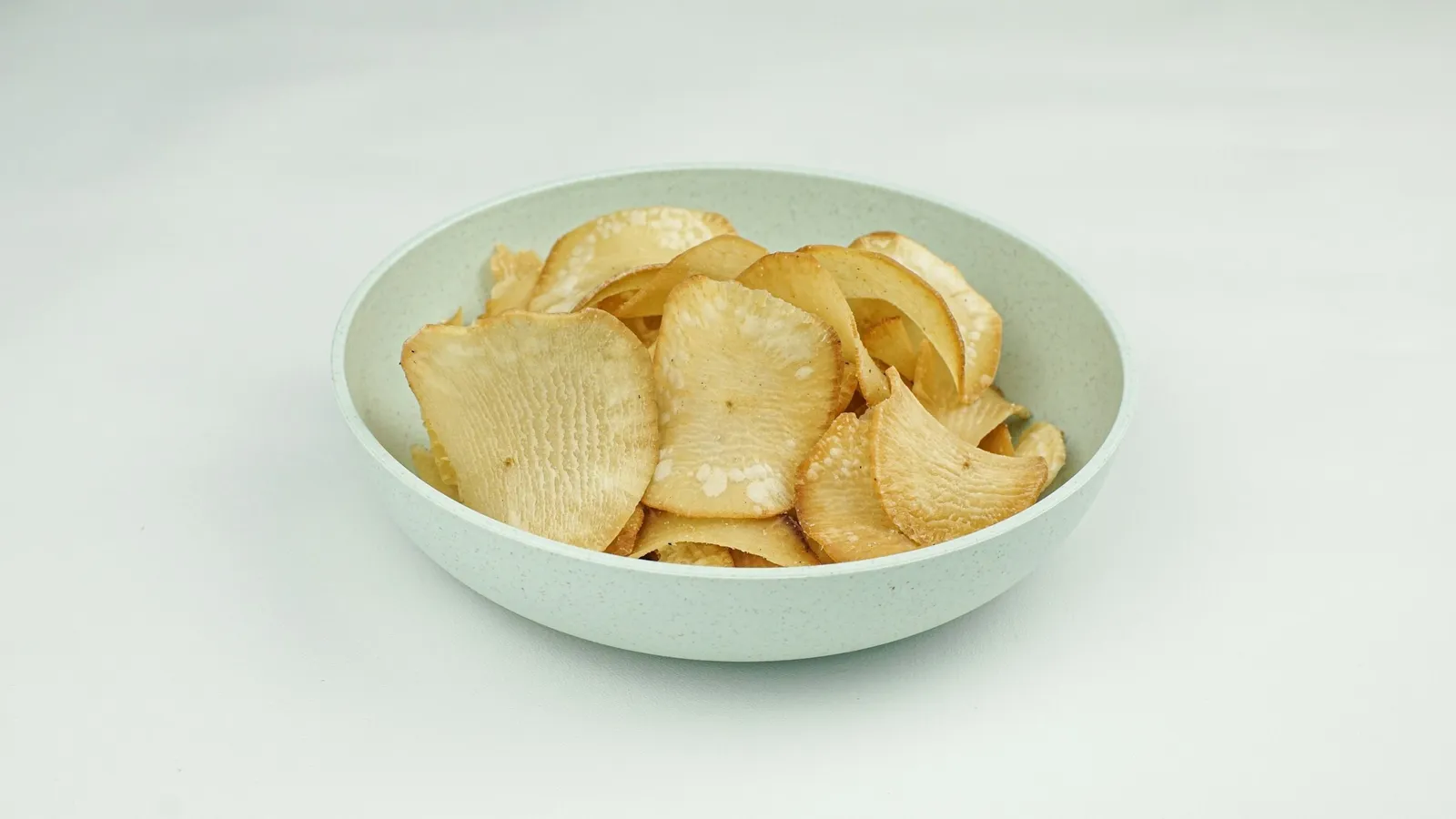
The same paper lists typical ultra-processed products: soft drinks, packaged snacks, breakfast cereals, instant noodles and soups, nuggets, sausages, ice cream, mass-produced packaged bread, cookies and cakes.
How can you tell from the packet?
Monteiro's team gives one practical test in the paper's abstract: a product is ultra-processed if its ingredient list contains at least one marker item. Markers come in two kinds:
Substances rarely used in home kitchens: high-fructose corn syrup, hydrogenated or interesterified oils, hydrolysed proteins.
Additives that make a product tastier or more appealing: flavours, flavour enhancers, colours, emulsifiers, sweeteners, thickeners, and foaming, gelling or glazing agents.
Here is a 30-second check for the shop:
Ignore the front of the packet. 'Multigrain' or 'no added sugar' does not tell you the group.
Read every item in the ingredient list, including the brackets.
Ask of each item: would I keep this in my kitchen? Flour, dal, oil, sugar and salt pass. 'Emulsifier', 'flavour enhancer' or 'added flavours' do not.
One marker makes it group 4. No markers, but salt, sugar or oil added to a whole food, means group 3. A preservative on its own is not a marker.
That example comes straight from Monteiro and colleagues. Try it on two packets of bread tonight: the ingredient lists often differ more than the front labels. For the nutrition panel beside the ingredients, see our guide to reading a nutrition label in India line by line.
What do studies link ultra-processed food to?
A 2024 umbrella review in The BMJ by Melissa Lane and colleagues combined 45 pooled analyses covering 9,888,373 participants. Greater ultra-processed food intake was linked to worse results on 32 of the 45 health measures (71%).
The same review rated the evidence as convincing for links with cardiovascular death, type 2 diabetes, anxiety and common mental disorders. Greater intake was linked to a 50% higher risk of cardiovascular death (risk ratio 1.50), though GRADE rated that evidence very low. Links with obesity, poor sleep, depression and death from any cause were rated highly suggestive.
These are observational studies, so they show a link, not proof of cause. The review rated most of the evidence low or very low quality on the GRADE scale; only 4 of the 45 analyses reached moderate.
A controlled trial gets closer to cause. In 2019 Kevin Hall's team at the US National Institutes of Health gave 20 adults an ultra-processed diet for two weeks and an unprocessed diet for two weeks, in random order, on a research ward (Cell Metabolism). The meals offered were matched for calories, macronutrients, sugar, salt and fibre, and people ate as much as they liked. On the ultra-processed diet they ate about 508 more calories a day and gained about 0.9 kg, according to the trial abstract.
NOVA has critics. Michael Gibney of University College Dublin has argued that its definition and example foods have varied considerably over time (Current Developments in Nutrition).
What should families actually change?
You do not need a zero-packet home. Make group 1 and group 3 foods the default and keep group 4 occasional:
Swap daily habits first. A morning cereal or evening chips packet adds up faster than a weekend treat. Our look at what trials found about breakfast and school performance helps with the first meal.
Keep group 1 snacks in sight: fruit, roasted chana, peanuts, curd.
Cook simple staples: grains like ragi, jowar and bajra need only water and heat.
If your teenager asks what an emulsifier actually does to oil and water, the Fermi Concept Library has a lesson for every concept in chemistry and biology, so the label becomes a science question rather than a rule.
Tonight, pick three packets from your kitchen and sort them into the four groups together.