
On this page
It is 11.58 pm and your teen is sending a blurry photo of the ceiling, just to stop a number dropping to zero. Your child is not being silly: the feature is doing what it was built to do. Here is how streaks pull teens back, what to say, and a two-week plan that loosens the habit without cutting off friends.
How do chat streaks work, and why do they feel so urgent?
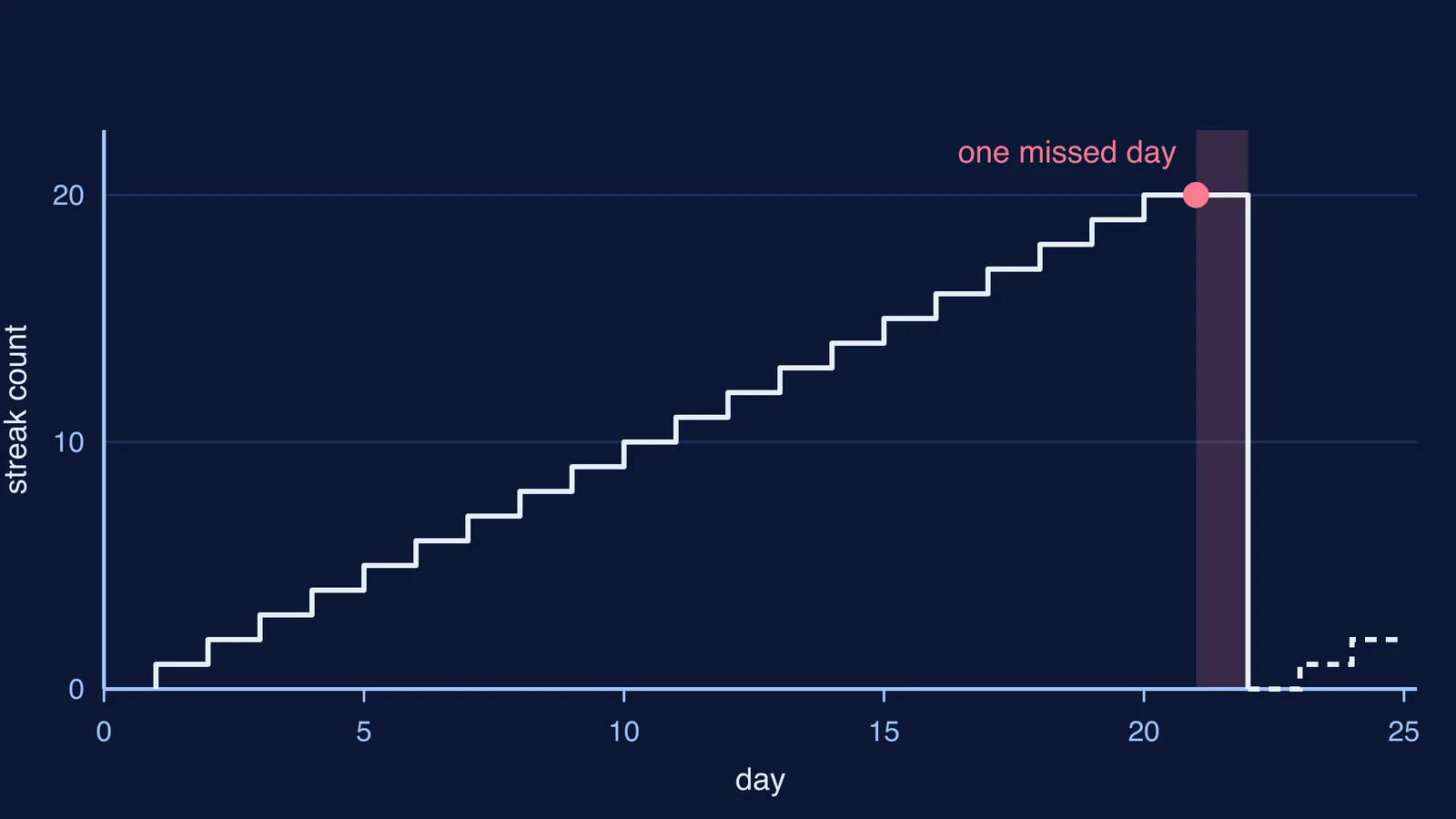
On Snapchat, a Streak means you and a friend have each sent a photo or video Snap every day, and an hourglass next to the chat means the Streak is about to expire, according to Snapchat's own help page on Streaks. The same page says a Streak ends when more than a day passes without a new Snap from everyone in the chat, and that a lost Streak can sometimes be restored "for a limited time only".
Three design choices do most of the work:
A deadline. The clock resets daily, so the app always has a reason to call you back.
A visible score. The number beside a friend's name grows, so a long streak feels like something you could lose.
Shared responsibility. If you forget, you break it for your friend too.
Researchers who interviewed Viennese teenagers pointed to two well-known pulls: the wish to return what you receive, and loss aversion, the urge to protect what you have built (Hristova and colleagues, 2020). One 15-year-old told them streaks were "not important", then later called almost losing them, when his parents banned his phone, an "emergency".
Is it normal for a teen to stress about keeping streaks alive?
It is common, and it is often about friends as much as the app. In a survey of 2,483 early adolescents in Dutch-speaking Belgium, with an average age of about 13, girls were more likely than boys to keep streaks and kept them for longer, and fear of missing out was associated with taking part in streaks (van Essen and Van Ouytsel, 2023). Fear of missing out, problematic smartphone use and self-control were linked with how many streaks teens kept and for how long, but only weakly, so streaks are one pull among many.
The wider pull is constant. In a 2023 Common Sense Media study that tracked the Android phones of about 200 11- to 17-year-olds, over half of participants received 237 or more notifications a day, and teens checked their phones over 100 times a day on average (Common Sense Media).
Because streaks are tied to friendships, a sudden ban may not end the worry. It can just move the panic elsewhere.
What should I say to my teen about streaks?
Pick a calm moment, not 11.55 pm. Then try this script:
Start curious: "How many streaks do you have going? Which ones actually matter to you?"
Blame the design, not your child: "That hourglass is built to make anyone panic. It isn't a you problem."
Ask what they want: "Is there a time of day you'd like your phone to stop needing you?"
Offer help, not a ban: "If you want to drop some, I'll help you work out what to tell your friends."
Your teen can then send close friends something like: "I'm cutting down on streaks for a bit for sleep and exams. Not ignoring you, just message me properly."
How can a teen cut back on streaks in two weeks?
Week 1 is for noticing and sorting:
Days 1 and 2: Your teen lists their streaks in three groups: close friends, people they enjoy talking to, and people they keep only for the number.
Day 3: They send the message above to the first two groups.
Days 4 and 5: They let the third group's streaks lapse.
Days 6 and 7: Agree on one short streak slot, say ten minutes after dinner, instead of late-night rescues.
Week 2 is for replacing and protecting:
Days 8 to 10: The phone charges outside the bedroom; see whether a teenager should keep the phone in the bedroom at night.
Days 11 and 12: For each close friend, swap one streak snap for a real message or call.
Day 13: Review together. Did any friendship actually suffer? What felt lighter?
Day 14: Your teen decides which streaks, if any, stay.
If that freed-up evening slot becomes study time, Fermi's AI tutor can work out what your teen already knows and build a plan for the session, so they sit down to a clear next step instead of reopening the app.
When is it more than streaks?
If the worry is hurting sleep, school or mood for weeks, or your teen wants to stop but cannot, talk to a school counsellor or a doctor. In India, Tele MANAS offers a free 24x7 mental health helpline on 14416 or 1800-89-14416, run under the national mental health programme.
For the bigger picture on daily phone use, read our three-bucket plan for teenage screen time.