On this page
If your child is turning two and the play school nearby is taking admissions, is it too early? Indian policy says age 3; research links a start between two and three with better learning, as long as the centre is good.
What age should my child start preschool in India?
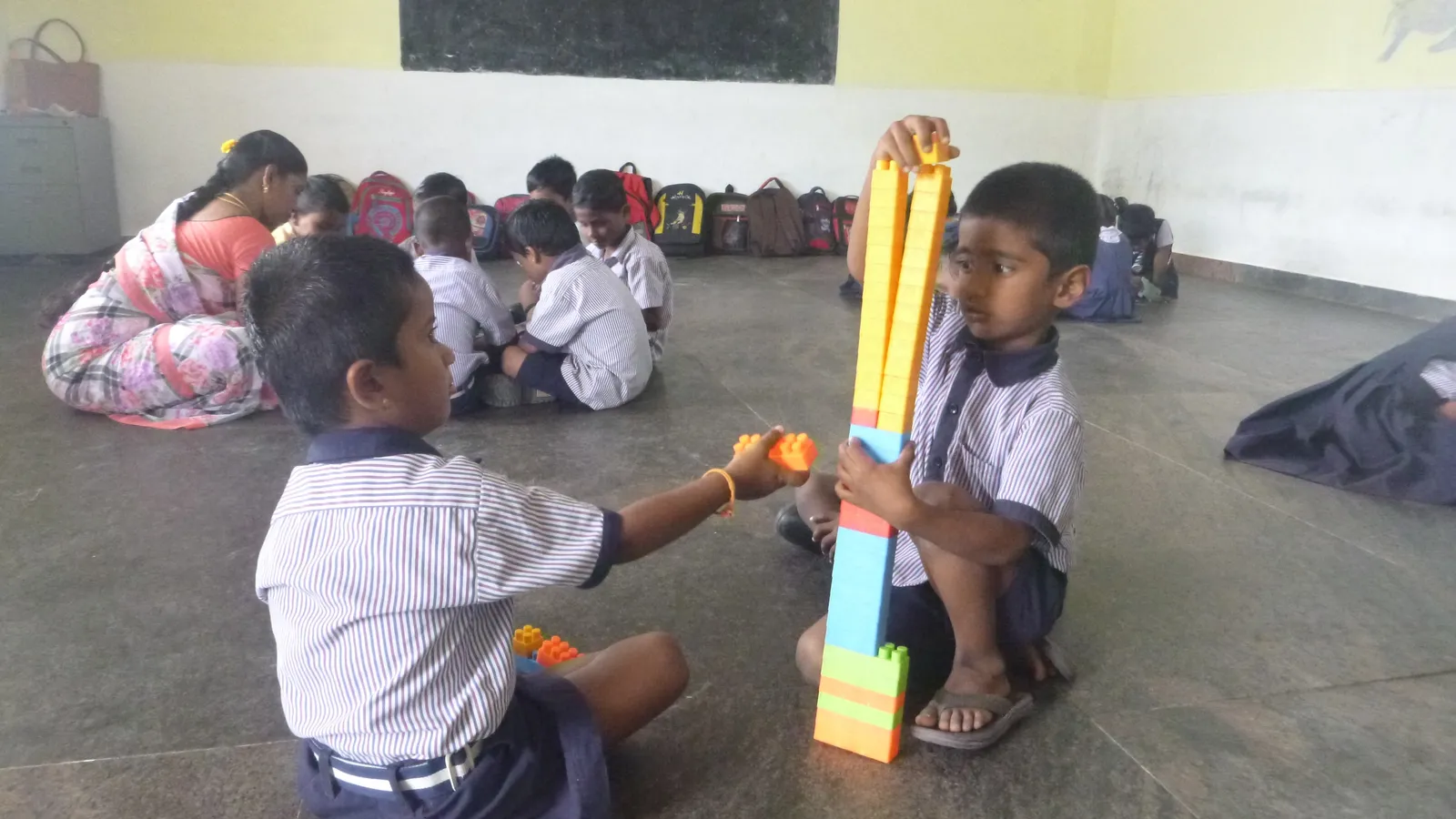
The National Education Policy 2020 replaces 10+2 with a 5+3+3+4 structure in which the Foundational Stage covers ages 3 to 8: three years of Anganwadi, preschool or Balvatika (ages 3 to 6), then Class 1 and 2. The same policy says over 85% of a child's cumulative brain development occurs before the age of 6. It also plans that before age 5 every child moves to a "Preparatory Class" or Balavatika taught by an ECCE-qualified teacher.
The National Curriculum Framework for the Foundational Stage (NCERT, 2022) is blunter about the far end: children should begin Class 1 at the age of 6, and the trend of moving Class 1 entry below 6 "can pose significant damage to children's cumulative learning". Whatever age you choose for preschool, plan backwards from Class 1 at 6.
What does a child gain from preschool at two, three and four?
The first major European longitudinal study of this question, EPPE, followed 3,000 children in England from age 3 to 7. It found:
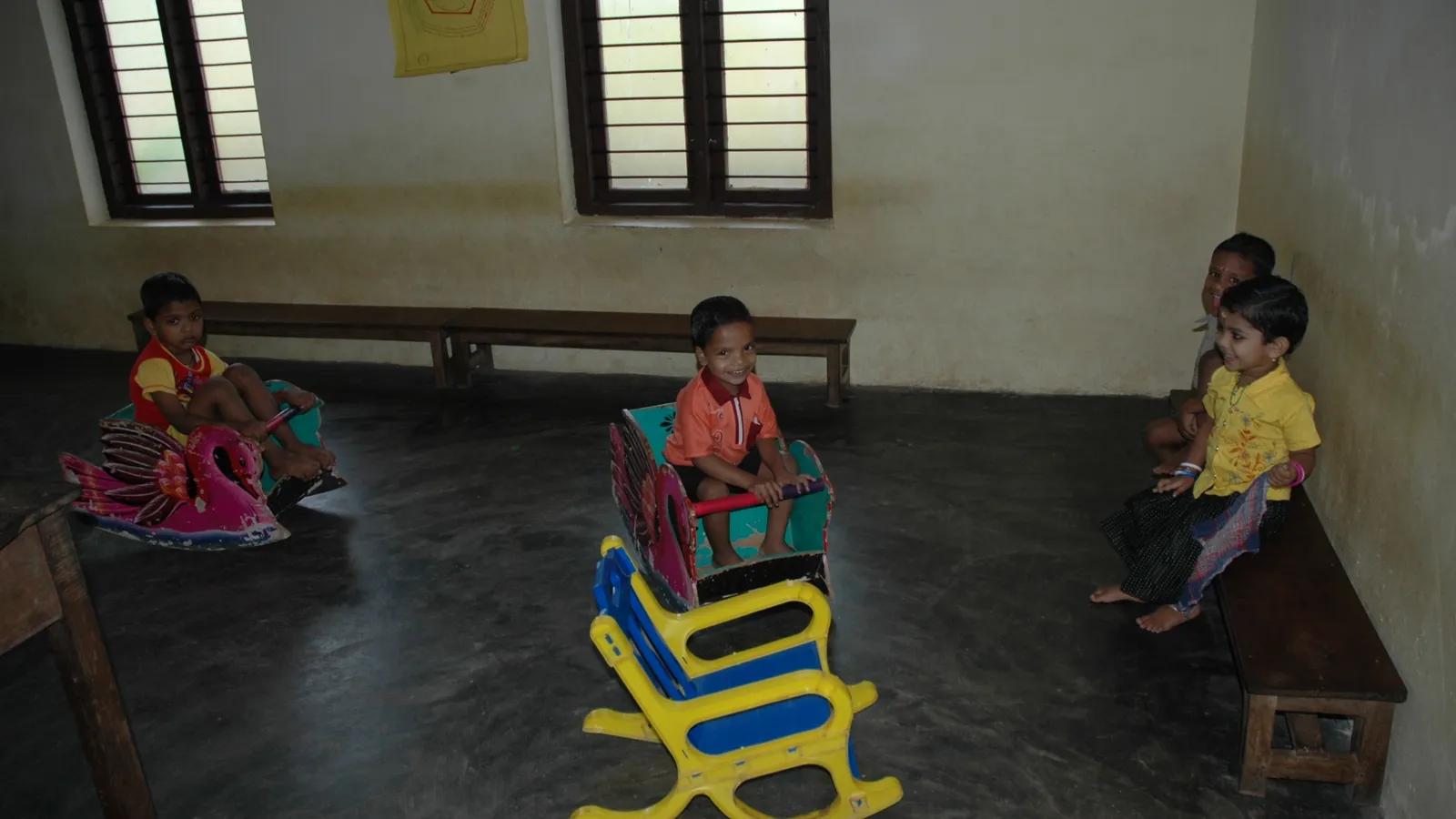
Starting between two and three. An early start between 2 and 3 years was linked with better intellectual attainment and getting on better with other children, and the benefit was still visible at age 7. But high levels of group care before 3, and particularly before 2, were linked with slightly more anti-social behaviour in a small group of children; for children who then attended a high-quality setting from 3 to 5, it decreased.
How long children attend. The number of months a child attended preschool was related to their intellectual gains at school entry.
Some preschool versus none. Children with no preschool had poorer cognitive attainment, sociability and concentration when they started primary school.
An American analysis of national data by Susanna Loeb and colleagues points the same way: on average, centre care was linked with gains in pre-reading and maths but more negative social behaviour, and children who started between ages two and three saw greater gains than those who started earlier or later. Starting before 2 was related to more pronounced negative social effects. The study was later published in Economics of Education Review.
How do I know my child is ready for preschool?
Age is a guide; your child's week tells you more. Look for whether your child:
can stay happily with a grandparent or neighbour for an hour or two
shows interest in other children, even if they play side by side rather than together
can tell you, in words or gestures, when they are hungry, thirsty or need the toilet
can sit for a short story or a song
has a fairly steady nap and meal routine you can match to the centre's hours
If a few are not there yet, ask the centre about fewer hours. If you are worried about speech, hearing or how your child is developing, talk to your paediatrician rather than using preschool to find out. Until then, try our ideas for screen-free mornings with a toddler.
What should I look for in a small neighbourhood centre?
The NCF lists basics every setting needs: clean, functioning toilets and safe drinking water; well-lit, ventilated rooms; safe outdoor space; cleaning material and knives locked away; and displays at children's eye level. Its illustrative timetables send 3-to-4-year-olds home at the lunch break, and keep the full day for ages 4 to 6 to five and a half hours (NCF-FS, sections 7.1 and 10.2).
EPPE's quality signals to watch for (EPPE research brief):
Warm staff who respond to each child's needs, not just the group.
Trained teachers on the staff, ideally leading the curriculum.
A balance of child-chosen play and adult-led activities.
Conflicts handled by talking them through, rather than simply telling children to stop.
A centre that shares its educational aims with parents.
On the visit, ask: "Can I see a normal morning? What happens when a child cries at drop-off? Who trained your lead teacher?"
A simple way to decide
Take Ananya, aged 2 years 4 months, with a grandmother at home. One plan: three mornings a week at a nearby centre from about 2.5, building to five mornings by 3, and a move to a Preparatory Class or Balvatika before 5. If there is no good centre nearby, waiting until 3 is a reasonable choice, and home matters too: EPPE found that what parents do at home, such as reading, songs, rhymes and playing with letters and numbers, mattered more for development than parents' occupation, education or income.
When the next step comes, read what changes from Nursery to LKG.
If an older sibling needs help with school science, Fermi's AI tutor works out what a student already knows and builds a plan for the session, so their evenings start with a clear next step.