

On this page
Many parents rely on a phone or tablet to buy 20 minutes of peace while they shower, make breakfast, or pack bags for the day. It is a highly effective, practical solution to a common problem, but it often backfires. The transition away from the screen usually triggers a meltdown, making the rest of the morning even harder to manage.
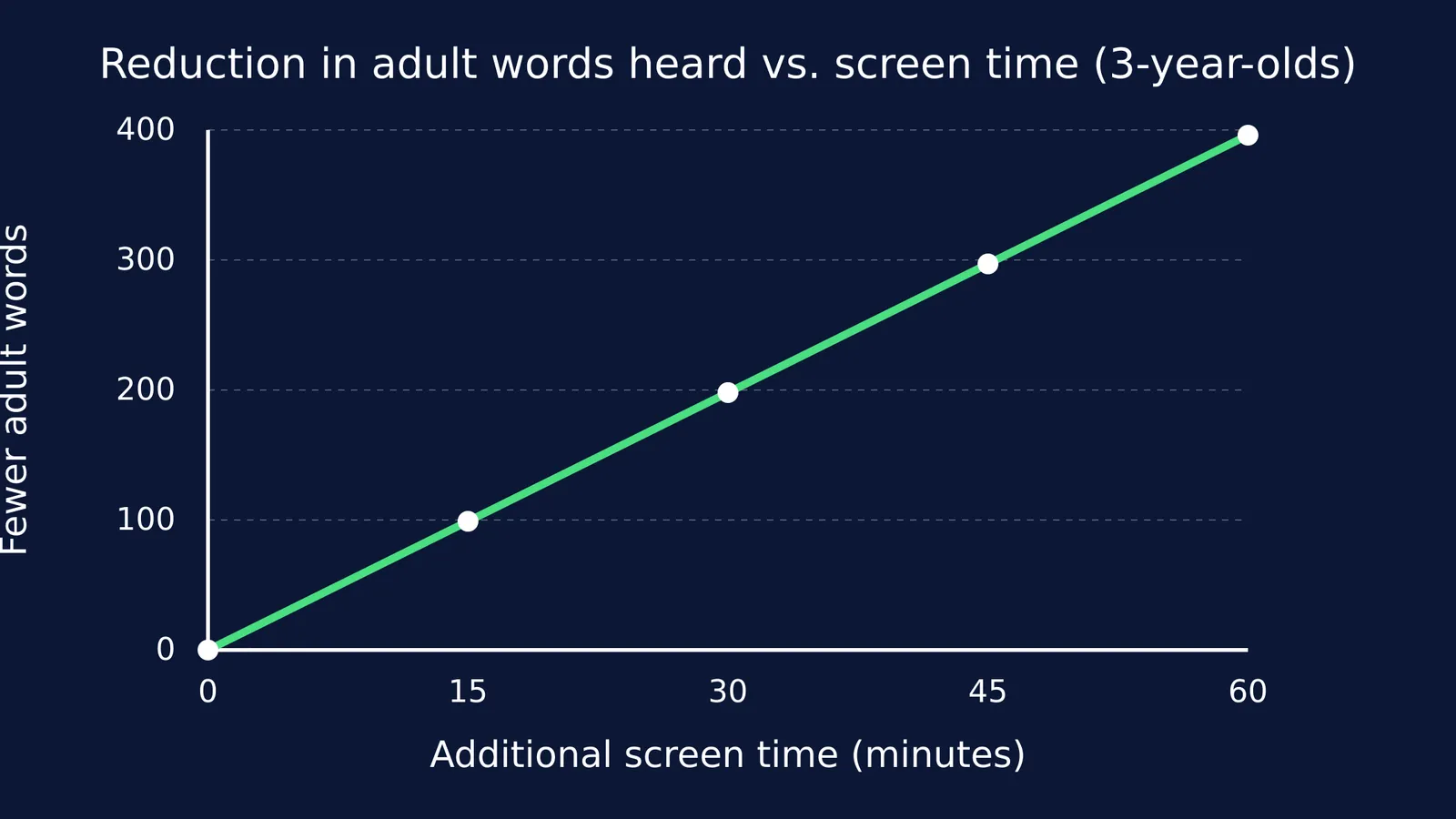
Beyond the immediate mood shift, there is a measurable developmental cost to morning screen time. A 2024 study of over 200 families published in *JAMA Pediatrics* found a direct link between screen use and reduced language exposure. For every extra minute a three-year-old spends on a screen, they hear nearly seven fewer adult words (*JAMA Pediatrics*). Over an average day, this "technoference" can deprive a child of hundreds of opportunities for verbal interaction, which are the fundamental building blocks of early learning and social development.
Fortunately, it is completely possible to build a morning routine that keeps your toddler safely engaged while you get ready, without relying on digital devices.
Why is it so hard to turn off the screen?
Fast-paced screen time provides intense, rapid stimulation to a young child's developing brain. When a toddler watches a fast-paced cartoon, their brain becomes accustomed to a constant stream of visual and auditory stimulation. Turning off the device forces them to transition to the much slower pace of the real world—like putting on shoes, brushing teeth, or eating porridge.
This sudden drop in stimulation is deeply uncomfortable for a toddler, leading to the familiar tears and resistance that parents dread. By delaying screen use until later in the day, or eliminating it entirely, you help your child maintain a more even emotional state throughout the morning. For families navigating this transition, our guide on phones and homework: family rules that research supports offers boundaries and strategies that apply even as children grow older and enter primary school.
How to keep a toddler busy in the morning?
The easiest and most effective way to replace the phone is with a "morning basket." This is a curated collection of activities that your child can only access during these specific early hours. The novelty keeps them interested while you focus on getting dressed.
Keep it simple and open-ended: Fill a small box or basket with wooden blocks, magnetic tiles, or large, chunky puzzles. Open-ended toys do not have a single "right" way to play, which means they hold a child's attention longer than toys with flashing lights or batteries.
Rotate the contents weekly: Change the items in the basket every few days. A toy they have not seen since last week feels brand new to a toddler, instantly capturing their curiosity.
Set it out the night before: Place the basket exactly where you want them to sit (such as on a rug outside the bathroom or safely at the kitchen table) before you go to sleep. This removes friction and gives them an immediate focal point when they wake up.
What if they still demand a screen?
It will take a few days for your toddler to adjust if they are already accustomed to watching videos first thing in the morning. Expect some pushback and a few tears as they learn the new routine. You can ease the transition by introducing audio-only entertainment.
Audiobooks or familiar children's music provide the storytelling and rhythmic elements toddlers crave, without the hyper-stimulating visuals of a screen. You can play these aloud on a speaker while they play with their morning basket. It aligns perfectly with health advice; the World Health Organization's 2019 guidelines recommend that children aged two to four have no more than one hour of sedentary screen time per day, emphasizing interactive activities instead (WHO).
How does this help the whole family?
Building independent play skills takes patience, but it pays off long beyond the toddler years. A child who learns to occupy themselves in the morning without digital pacification develops stronger attention spans and better emotional regulation.
These early habits set the stage for later academic and personal success. If you have older children studying for competitive exams, seeing a screen-free morning routine helps them focus when they sit down to use Fermi's AI tutor later in the day. Establishing calm, predictable starts to the day is a cornerstone of good exam season at home: routines that help the whole family. By replacing the morning phone with intentional play, you are giving yourself the time you need to prepare for the day while giving your toddler the best possible environment to grow.


