On this page
Your child has a college seat in another city, and now the question is where they will sleep and eat: the college hostel, a paying-guest (PG) house run by a private owner, or a flat shared with classmates. Compare them on what parents worry about most: cost, safety and food.
PG or hostel: which is better for a college student?
For most first-year students, the college hostel is the easier start if a seat is available, because the institution runs the rules, wardens, mess and anti-ragging system. A PG suits students without a hostel seat or who want privacy. A shared flat works best from the second year, once your child knows the city and has friends they trust.
College hostel: fees per semester or year; mess included or billed separately; warden and campus security; less privacy, fixed timings.
PG: one monthly rent that often covers meals, cleaning and Wi-Fi; quality depends on the owner.
Shared flat: split rent plus electricity, gas, cook and internet; most freedom, most chores.
How do the costs compare once you add everything up?
Rent is rarely the full price. Here is a worked example with made-up numbers; swap in the quotes you get:
PG: ₹11,000 rent with two meals, plus ₹2,000 for lunch outside and snacks. Monthly: ₹13,000.
Shared flat for three: ₹24,000 rent split three ways is ₹8,000, plus ₹1,500 as a share of electricity, Wi-Fi and a cook, plus ₹4,000 for groceries. Monthly: ₹13,500.
Hostel: ₹60,000 per semester for room and mess, spread over five months, is ₹12,000, plus ₹1,000 for extras. Monthly: ₹13,000.
These look almost the same, so the deciding factors are the deposit, notice period and what is included. Under India's Model Tenancy Act, 2021, the security deposit for residential premises may not exceed two months' rent. The Act is a model that each state chooses whether to adopt, so ask which rules apply in your state and get every deposit term in writing. For a fuller plan, see our guide to a monthly budget for a college student.
Is a PG safe for a first-year student?
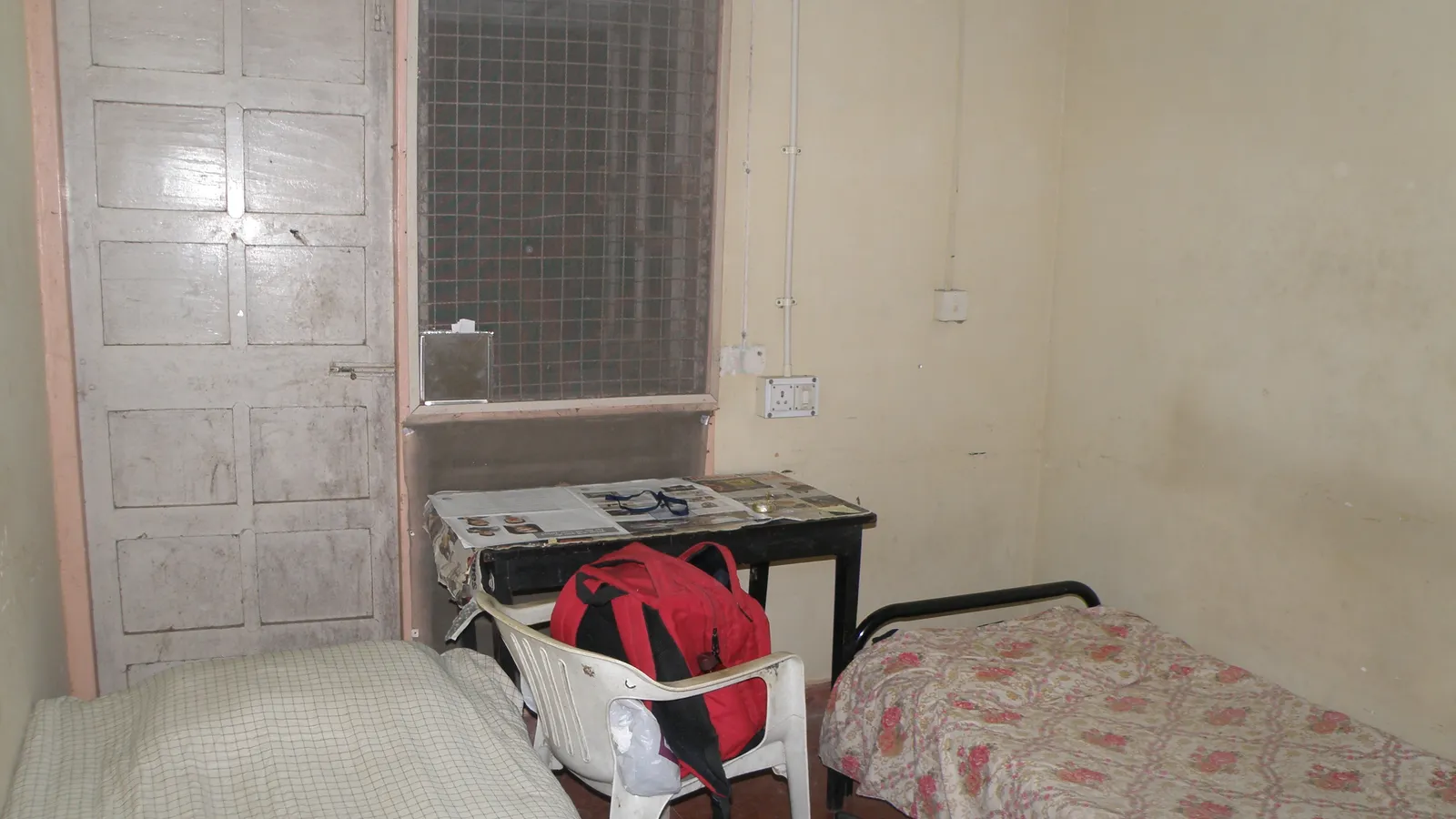
A PG can be safe, but nobody checks it for you. Look at it as someone coming home at 10 pm would: street lighting, a working room lock, a gate or guard, a camera at the entrance, unblocked fire exits. Ask whether the owner registers residents for local police tenant verification.
The National Anti-Ragging Helpline is 1800-180-5522, toll free and open 24x7, with email at helpline@antiragging.in. Save it in your child's phone with the owner's, warden's and a classmate's numbers. Our post on a daughter going to college in another city covers making a safety plan together.
What about food: mess, PG meals or cooking?
For a 2,000 kcal day, the ICMR-NIN Dietary Guidelines for Indians 2024 suggest about 400 g of vegetables, 100 g of fruit, 250 g of cereals, 85 g of pulses and 300 ml of milk or curd. A menu of rice, roti and one thin dal every day is likely to fall well short on vegetables, however full your child feels.
A PG or mess that sells meals is a food business. FSSAI's licensing FAQ says food businesses with annual turnover up to ₹12 lakh need an FSSAI registration certificate, which carries a QR code and a 14-digit number starting with 2. Larger ones need a licence. Ask to see it.
In a shared flat, food is your child's job: settle on a cook or a weekly routine in the first week, not after a month of instant noodles.
What should parents check on a PG visit?
Visit in the evening, when residents are back.
Walk from the college gate to the PG at your child's return time. Is the route lit and busy?
Check the room lock, window grills and cupboard lock.
Find the fire extinguisher and a second way out.
See the kitchen and the FSSAI registration or licence.
Read this week's menu: count days with a vegetable and dal, egg, paneer or meat.
Eat one meal there.
Read the agreement before paying: rent, deposit, notice period, deductions, refund date.
Ask about in-time, guests and who else has room keys.
Test the Wi-Fi; check water, power backup and bathroom sharing.
Talk to two residents without the owner present.
Ask how residents are registered with local police.
On move-in day, photograph the room and any damage.
What should you do after move-in?
Keep early weekly calls short: food, sleep, money, one good thing. If roommate trouble starts, see our guide to roommate problems in college. If your child, studying alone, is stuck on where to begin with a subject, Fermi's AI tutor can work out what they already know and build a plan for the session.
If homesickness becomes not eating, not sleeping or skipping class for days, call Tele MANAS, the government's mental-health helpline, on 14416, or speak to a doctor or the college counsellor.