

On this page
Your first visit after your child moves into a hostel is short and emotional. It is also your best chance to see how daily life there works. Look at five things in order, and leave time alone with your child at the end.
What should you check in your child's hostel room?
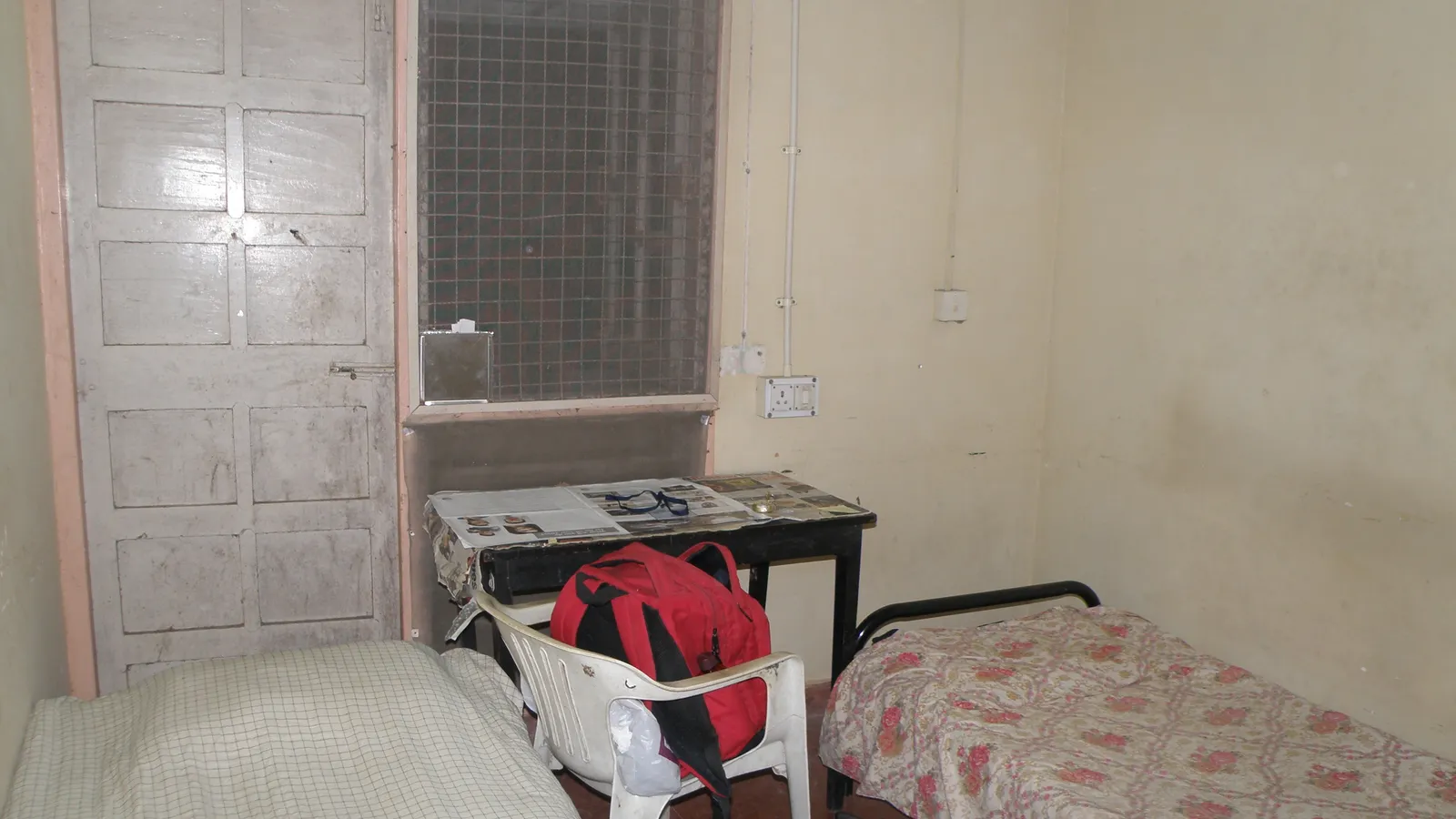
Walk the room, corridor and washroom with your child, not with hostel staff.
Study space: a desk and chair for each student, a light that works at night, a socket within reach.
Bed and storage: a clean mattress, a cupboard or locker that locks, space for books.
Washrooms: clean at the time you visit, hot water if the season needs it, a working lock.
Drinking water: where it comes from, and whether the filter is serviced.
Safety: fire exits that open, working lights on stairs, and helpline numbers on the walls.
In July 2025, the Supreme Court of India directed that "all residential-based institutions shall install tamper-proof ceiling fans or equivalent safety devices" and restrict access to rooftops, balconies and other high-risk areas, in the case Sukdeb Saha v. State of Andhra Pradesh (LiveLaw report of the judgment). The same judgment says suicide helpline numbers, including Tele MANAS, shall be prominently displayed in hostels and common areas. If you do not see them, ask why.
How do you judge hostel food in one visit?
Eat one meal in the mess yourself, on a normal day rather than a parents' day. Then compare three things.
The menu on the board against what is on the plate.
Whether food is hot, covered and served from a clean counter.
What your child says they ate over the last three days, meal by meal.
The third tells you most. If breakfast is skipped because it clashes with an early class, that is a timetable problem you can raise.
Are the study hours and sleep realistic?
Ask the warden or the coaching office for the written daily timetable, then count the sleep window yourself.
Teenagers aged 13 to 18 should sleep 8 to 10 hours per 24 hours on a regular basis, according to a consensus statement of the American Academy of Sleep Medicine (Paruthi et al., Journal of Clinical Sleep Medicine, 2016). The same statement says regularly sleeping less than the recommended hours is associated with attention, behaviour and learning problems.
A worked example: wake-up at 5:30 am and lights out at 11:30 pm leaves six hours in bed, before any late-night phone use. That is at least two hours short every night. Ask whether lights out can move earlier or morning self-study can start later.
Also ask how self-study hours really go. If your child spends them rereading notes because a topic never made sense, Fermi's AI tutor can work out what they already know and build a plan for the session, so the evening block starts with a clear next step.
What should you ask the hostel warden?
Meet the warden for ten minutes. You want names and numbers, not reassurance. A simple script:
"Who do I call at night if I cannot reach my child, and what is that number?"
"Who is the counsellor here, and how does a student book time with them?"
"How will you tell me if my child is unwell, misses meals or stops attending class?"
"Have staff here been trained on student mental health this year?"
The Supreme Court directed that institutions with 100 or more enrolled students shall engage at least one qualified counsellor, psychologist or social worker, and that teaching and non-teaching staff shall be trained at least twice a year by certified mental health professionals (LiveLaw report of the judgment). Save the warden's number before you leave. Our guide on how to talk to a hostel warden about problems helps your child raise issues directly later.
How can you tell how your child is really feeling?
Take a walk or have tea outside the hostel, just the two of you. Ask open questions and let silences sit.
"What is the best part of a normal day here?"
"Who do you eat with?"
"What would you change if you could change one thing?"
Notice everyday signs: sleep, appetite, whether they mention friends by name, and whether they look forward to anything. If they miss home, say that is a normal feeling in a new place; our piece on everyday steps for homesickness in a coaching hostel has ideas you can share with them. Agree on a calling routine before you go, using our guide on how often to call your child in a coaching hostel.
Tele MANAS, the national mental health helpline, is free, runs 24x7 and answers on 14416 or 1800-891-4416, according to this Tele MANAS information page, which points to the official Tele MANAS website.
Plan your next visit before you board the train home, and tell your child the date.


