

On this page
You moved to a new city for JEE or NEET coaching, the classes are hard, and at night the hostel room feels very far from home. That feeling has a name, it is common, and there are small, ordinary things you can do about it this week.
Is it normal to feel homesick in a coaching hostel?
Yes. Psychologist Margaret Stroebe and her colleagues define homesickness as a "mini-grief": "a negative emotional state primarily due to separation from home and attachment persons". She also calls it "something that probably nearly everyone experiences at least a little bit" (Stroebe, Mindwise, 2015).
An earlier clinical report in Pediatrics said much the same: "almost all children, adolescents, and adults experience some degree of homesickness" when apart from familiar people and places (Thurber and Walton, 2007). That report was retired in 2017.
It is worth taking seriously, though. A systematic review of 55 studies found homesickness linked to adjustment difficulties and health problems (Stroebe, Schut and Nauta, 2015). In her summary of that work, Stroebe notes that severely homesick students concentrate less well, and she lists physical activity and "distractive coping" (keeping busy with other things) as protective factors (Mindwise).
What should you do when you feel homesick in the hostel?
Think of four anchors. None of them costs much.
A routine. Fix your wake-up time, meals, class, self-study and lights-out. When the day has a shape, there are fewer empty hours for missing home to fill. Our guide to setting up your hostel or PG room for exam prep covers the desk and timetable side.
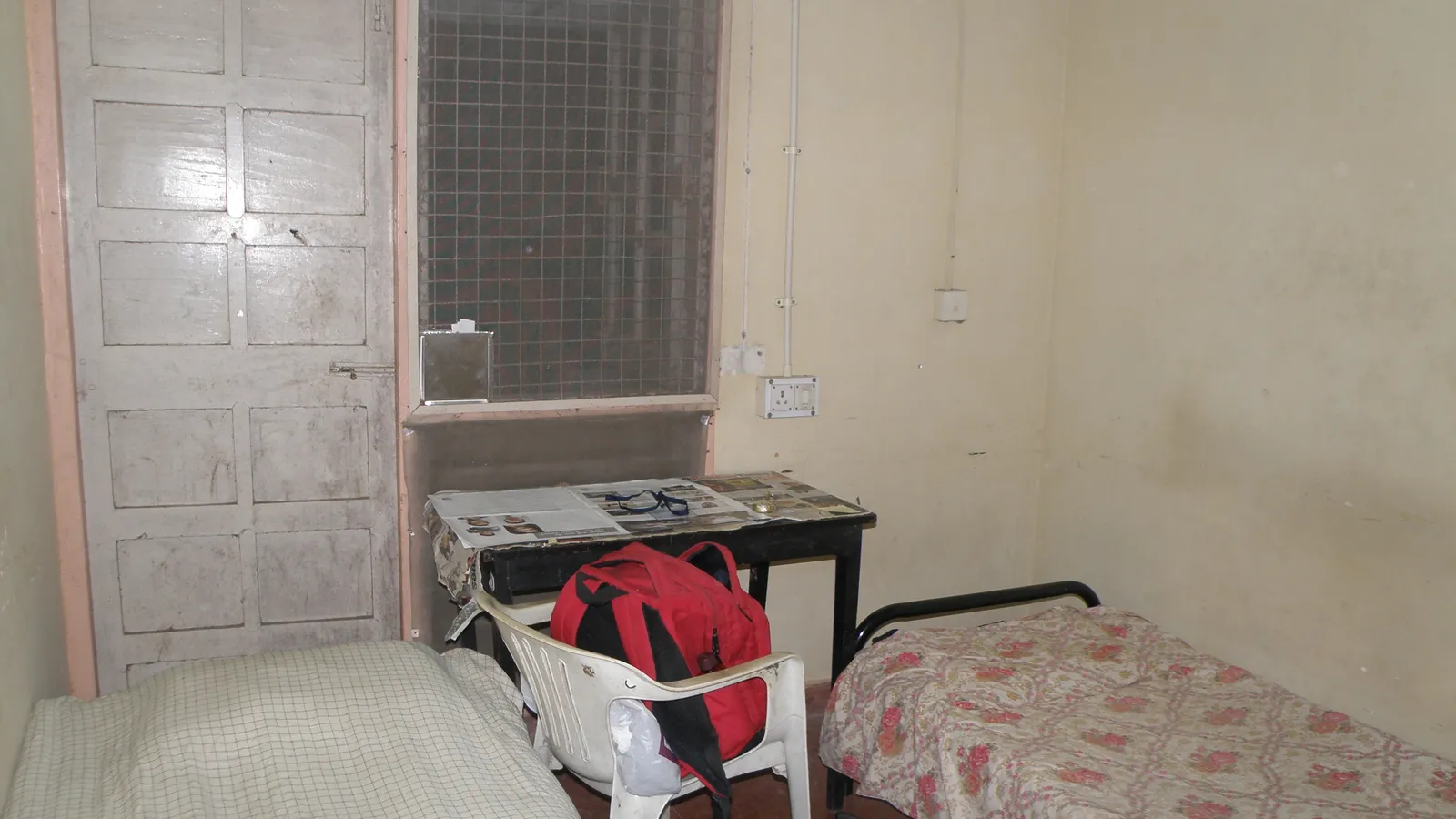
A familiar corner. Make one spot feel like yours: a bedsheet from home, a photo, your own steel glass, a small packet of the snacks your family makes.
Planned calls. Agree on fixed times with your family, such as a short call midweek and a longer one on Sunday. Then you have something to look forward to, and you are not waiting by the phone all day.
Small weekend outings. Go for a walk, play cricket or badminton, or visit a park or market with one batchmate. It gets you moving and gives your mind something else to think about, two of the protective factors Stroebe names.
Sometimes the evening feels worse because you are stuck on a chapter and do not know where to begin. Fermi's AI tutor can work out what you already know and build a plan for the session, so your evening study block starts with a clear next step.
A sample first month: what can the week look like?
Monday to Saturday: same wake-up time, breakfast with batchmates, class, a fixed self-study block, a 20-minute walk after dinner.
Wednesday, 9 pm: a 10-minute call home. Share one good thing and one hard thing from the week.
Sunday morning: a longer call or video call with family.
Sunday afternoon: one small outing with a batchmate, back before dark.
Once a week: tell one person on campus how you are doing.
What should you say on the call home?
You might say: "Today was tough. I miss your food and I miss talking to you at night. Class is okay, physics is hard. I'm going for a walk with Rohan on Sunday." Being honest is fine. You do not have to sound cheerful.
Parents can help by listening first and asking one practical question, such as "What is one thing that would make this week easier?" Avoid starting with test marks. If your family is still deciding whether moving cities is right, our post on moving for coaching or staying home lays out the questions to weigh.
Who can you talk to on campus?
Your hostel warden, a batch mentor or a teacher you trust are good first people. Many institutes also have a counsellor, and you are allowed to ask where to find them.
In July 2025, the Supreme Court issued guidelines for schools, colleges and coaching institutes: institutions with more than 100 students must appoint a trained counsellor, psychologist or social worker, and helplines including Tele-MANAS must be displayed in hostels and classrooms (Centre for Mental Health Law and Policy summary).
Tele-MANAS is the government's free mental health helpline. You can call 14416 at any hour and choose your language (Ministry of Health and Family Welfare, via PIB).
For signs that stress needs more than everyday support, see our guide to exam stress and when to get help. Homesickness often eases as the new place becomes familiar, and a routine, one familiar corner and one person to talk to are a good place to start.


