On this page
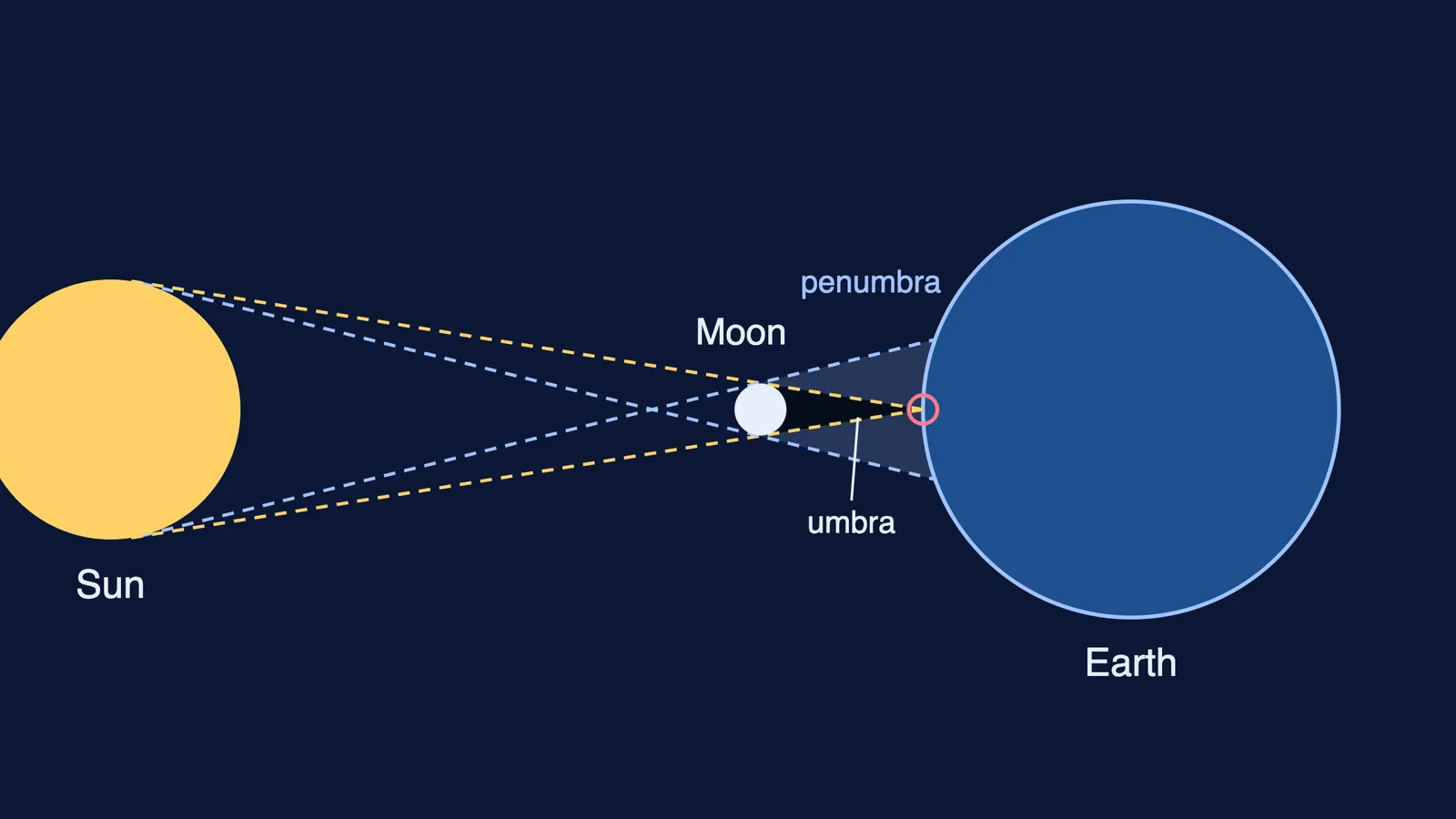
An eclipse is a shadow. In a solar eclipse the Moon blocks some or all of the sunlight; in a lunar eclipse, Earth's shadow falls on the Moon. Nothing new reaches your kitchen or a baby in the womb. Yet in many Indian homes an eclipse still means skipping meals and keeping pregnant women indoors. Here is what the evidence says, and how to talk about it without a fight.
Is it safe to eat during an eclipse?
Yes. In July 2018 the astronomy outreach account @asipoec posted: "You can eat and drink whatever you want during an eclipse, just as you would normally do so." It added: "There are no 'harmful radiations' present during an eclipse." The News Minute reported both posts and said the Astronomical Society of India had debunked the myth.
Food cooked before an eclipse is no different afterwards. A lunar eclipse explainer from Aster Hospitals notes that eating food cooked before the eclipse has not shown any adverse effects, and that the Sun and Moon give off no abnormal radiation during an eclipse.
What spoils food is time, warmth and germs, on any day. One of the WHO's Five Keys to Safer Food is to keep food at safe temperatures, and that holds on eclipse day too.
Can an eclipse harm a pregnant woman or her baby?
No evidence says it can. A common fear is that an eclipse causes a cleft lip. The US Centers for Disease Control and Prevention says the causes of most cleft lips and palates are unknown and are thought to be a combination of genes and other factors. The risk factors it lists are smoking during pregnancy, diabetes before pregnancy and certain epilepsy medicines. Eclipses are not on the list.
The real risk is the rule itself. The same Aster Hospitals explainer warns that fasting through an eclipse can leave a pregnant woman dehydrated, and with low blood sugar if she has diabetes. Dr Anuradha Kapur, head of obstetrics and gynaecology at Max Hospital, Saket, told The Quint in 2019: "You don't have to stop eating, and you need to protect yourself from dehydration."
A science writer on Confluence, a blog on the Indian Academy of Sciences website, notes that some pregnant women do not eat, or even choose not to deliver, during a lunar or solar eclipse. If you are pregnant and unsure, ask your own doctor.
Should you stay indoors during an eclipse?
You don't need to. NASA's eclipse viewing safety page suggests only the usual sun care outdoors: sunscreen, a hat and protective clothing. The real danger is to your eyes, from looking at the Sun. NASA says that during partial or annular solar eclipses it is never safe to look directly at the eclipse without proper eye protection. From the same page:
Regular sunglasses, no matter how dark, are not safe for viewing the Sun.
Solar viewers ought to meet the ISO 12312-2 international standard.
A pinhole projector shows an image of the Sun on a nearby surface; never look at the Sun through the pinhole.
Looking at the Sun through binoculars, a camera or a telescope without a special-purpose solar filter will instantly cause severe eye injury.
Only during the brief total phase of a total solar eclipse can you take your eclipse glasses off, says NASA's guide to eclipse types. A lunar eclipse needs no protection at all: you don't need any special equipment to watch one, according to NASA.
So staying inside protected eyes by accident; the better rule is to go out and look safely. Our explainer on why a ring of fire eclipse happens shows what you will see.
How do you talk about eclipse beliefs kindly at home?
Eclipse rules are passed down by people who love you, and throwing facts at a grandparent rarely works. Try this:
Ask before you tell. "Nani, what did your mother do on eclipse days?" You hear the story and show respect.
Sort harmless from harmful. Covering food or bathing afterwards hurts no one. Fasting by a pregnant woman can, especially if she has diabetes, so that one is worth a calm talk.
Offer a middle path: a proper meal just before the eclipse begins, and water close by.
Explain the why. A shadow carries no poison; the Moon only blocks light for a while.
Make it an outing. A card pinhole projector, or a lunar eclipse watched from the terrace, teaches more than any argument.
If your child wants to see how light and shadow behave, the Fermi Simulation Lab has interactive simulations for ideas that are easier to see than to read.
For more on handling family beliefs gently, read what research says about your child's lucky exam pen and how to talk to kids about eclipses, launches and forecasts.