On this page
Exam season tends to wreck meals first. Breakfast gets skipped, lunch is eaten at the desk, and dinner turns into chips and a third cup of tea at midnight. You don't need a special exam diet, just a plain routine you set up once and then stop thinking about.
This guide is general and non-medical. If you have diabetes, anaemia, an eating disorder, allergies or any other health condition, follow your doctor's or dietitian's advice over anything here.
Why does eating regularly matter during exams?
A 2013 review by Katie Adolphus, Clare Lawton and Louise Dye in Frontiers in Human Neuroscience looked at 36 articles on breakfast in children and adolescents. It found a mainly positive effect of breakfast on on-task behaviour in class, and that eating breakfast more often was consistently linked with better academic performance. The authors also warn that these links can be explained in part by family background (socio-economic status) and by weaknesses in how the studies were done, so breakfast is not a shortcut to marks.
The practical lesson is regularity. Fixed meal times give your day a shape: you know when the next break is, so you stop drifting to the kitchen.
What should a student eat on an exam-prep day?
India's Dietary Guidelines for Indians 2024 from ICMR-NIN ask families to include pulses, nuts, oilseeds, vegetables, seasonal fruits, eggs and flesh foods, and to give children and adolescents adequate milk or curd, while restricting foods high in fat, salt and sugar and ultra-processed foods. The same list discourages overeating as well as indiscriminate dieting. The WHO healthy diet fact sheet says everyone older than 10 should aim for at least 400 grams of fruit and vegetables a day.
Here is a worked example of a home-study day built around three study blocks. Shift the times to fit your timetable.
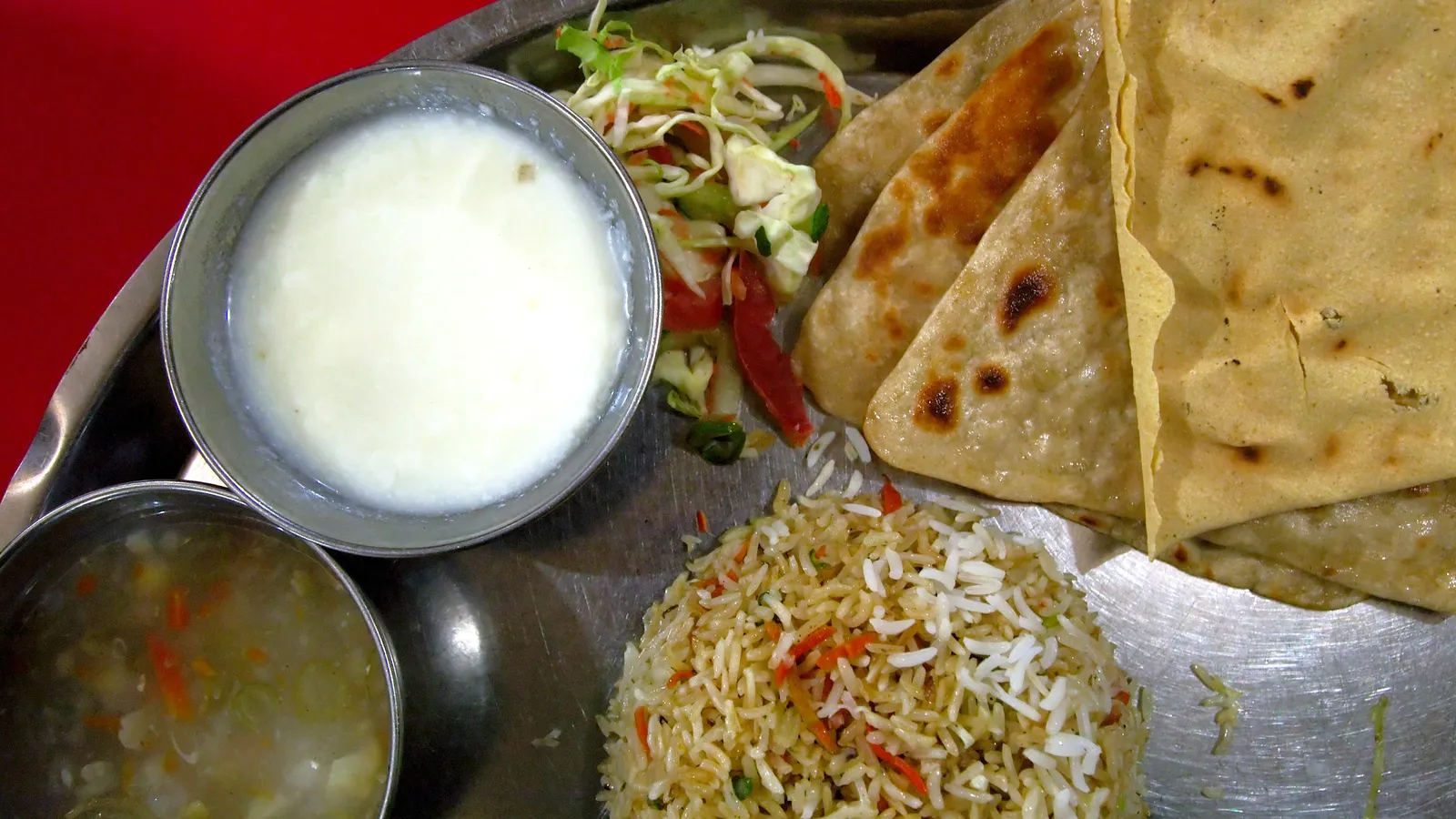
7:30 am, breakfast before the first block: poha or upma with peanuts, or two rotis with dal, plus a glass of milk.
10:30 am, short break: a fruit and a glass of water.
1:00 pm, lunch away from the desk: rice or rotis, dal or rajma, a sabzi, and a bowl of curd.
4:30 pm, snack: roasted chana, sprouts or a handful of nuts, with buttermilk or lemon water.
8:00 pm, dinner at least an hour before bed: a lighter version of lunch.
If you are planning the family's week around the board timetable, our guide to planning your family schedule around the board exam datesheet shows how, and this day-by-day plan for board exam study leave fits neatly with the meal times above.
How much water should students drink while studying?
The ICMR-NIN guidelines say a normal healthy person needs about eight glasses, approximately two litres, of water a day including other beverages, and more in very hot weather or during vigorous activity (Dietary Guidelines for Indians, Guideline 14). They suggest buttermilk, tender coconut water and lemon water in hot weather, and say synthetic soft drinks are not substitutes for water.
Is tea or coffee okay for late-night study?
In moderation. The ICMR-NIN guidelines say a 150 ml cup of brewed coffee contains 80 to 120 mg of caffeine and tea 30 to 65 mg, and advise keeping caffeine within 300 mg a day (Dietary Guidelines for Indians). They also say tea and coffee should be avoided for at least an hour before and after meals, because tannin interferes with iron absorption.
For children and adolescents, Europe's food safety agency EFSA proposes a safety level of 3 mg of caffeine per kg of body weight per day for habitual intake. Worked example: a 55 kg student would stay under about 165 mg. Two cups of tea (60 to 130 mg) stay under that, while two cups of brewed coffee (160 to 240 mg) can go over it. Energy drinks and colas count too.
How can parents help without nagging?
Your job is to make the easy choice the default, not to monitor every bite. Keep cut fruit and roasted chana within reach, keep sugary drinks out of the house this month, and sit together for at least one meal. Our piece on why screen-free meals help families has ideas for that one meal.
A script that works better than "You haven't eaten anything again":
"Lunch is at one. Bring your book to the table after, not during."
"I've kept a bottle on your desk. Can I refill it at lunch?"
"What would you actually eat at four o'clock? I'll keep it ready."
If a missed meal is really about not knowing where to start the next chapter, Fermi's AI tutor can work out what you already know and build a plan for the session, so the break ends with a clear next step.
If eating changes sharply, weight drops, or stress feels too heavy, talk to a doctor. For mental health support, Tele MANAS is a free 24x7 national helpline on 14416 or 1800-891-4416.
Pick one change from this guide for tomorrow, such as fixed breakfast time or the two-bottle rule, and add the next one once it sticks.