

On this page
This Class 12 Physical Education unit links biology to the playing field: how muscles, heart and lungs respond to exercise, how the body changes with age, and how injuries are named and first handled.
What is in Physiology and Injuries in Sport for Class 12?
In the CBSE Physical Education curriculum for 2026-27 (subject code 048), it is still Unit 7 of Class 12, listed at 04 marks plus 04 b* marks. CBSE uses b* for concept-based questions, such as tactile diagrams, data interpretation or case studies, set for visually impaired candidates. The topic list is the same as in the 2025-26 curriculum:
Physiological factors determining components of physical fitness
Effect of exercise on the muscular system
Effect of exercise on the cardio-respiratory system
Physiological changes due to ageing
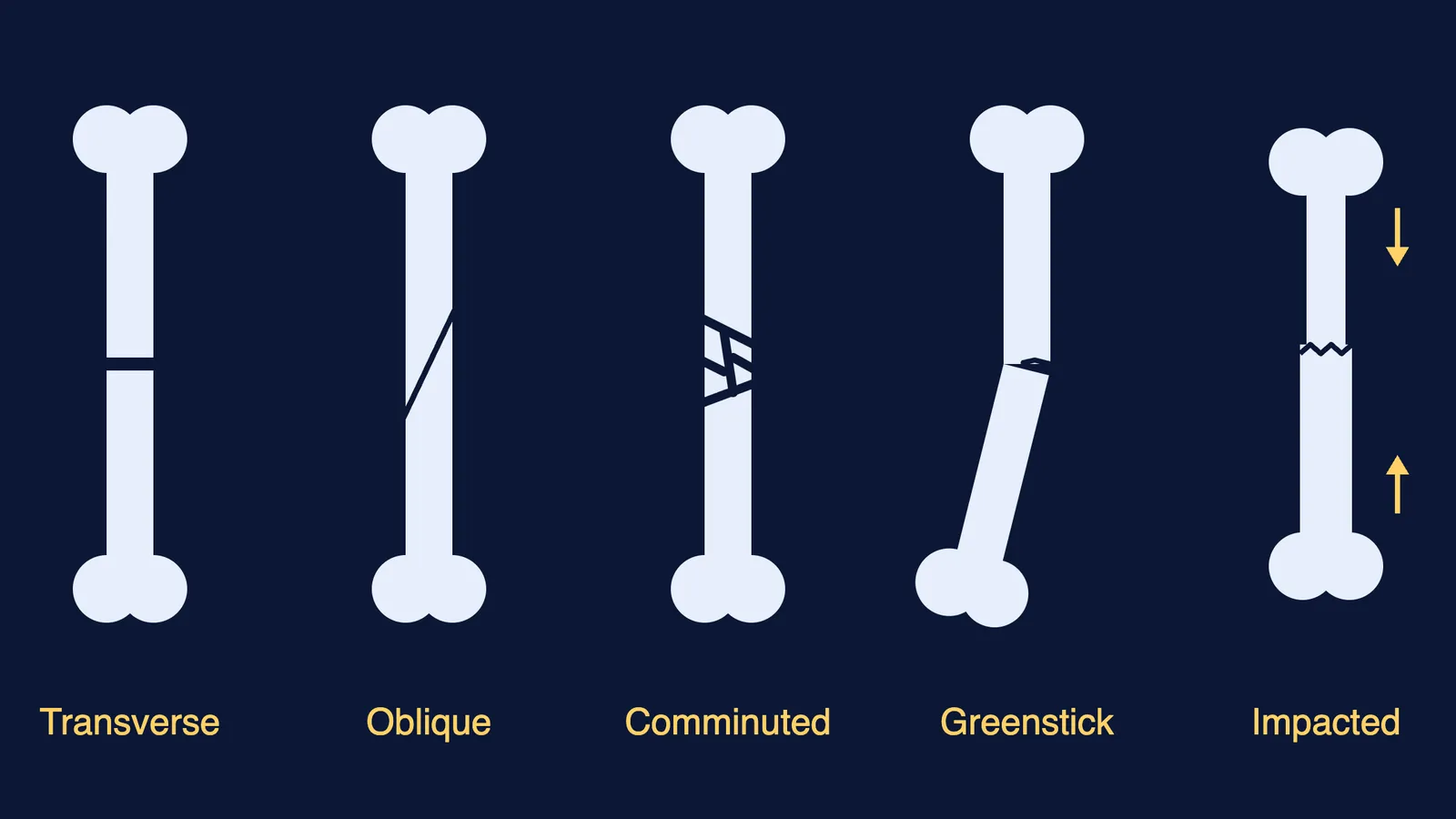
Sports injuries: soft tissue injuries (abrasion, contusion, laceration, incision, sprain, strain) and bone and joint injuries (dislocation; greenstick, comminuted, transverse, oblique and impacted fractures)
The unit also covers the aims of first aid and managing injuries. PRICE itself is named in the Class 11 syllabus (Unit 5, "Introduction to First Aid - PRICE").
What are the effects of exercise on the muscular and cardio-respiratory systems?
Split every effect into short-term (during a session) and long-term (after weeks of training). CBSE tests this split. In the 2025-26 sample paper, Q11 lists lactate build-up, increased blood supply, increased muscle temperature and muscular hypertrophy, and the marking scheme gives hypertrophy as the one that is not a short-term effect.
For the heart and blood vessels, a review by Ylva Hellsten and Michael Nyberg in Comprehensive Physiology (2015) found that endurance training raises maximal cardiac output through a larger heart, stronger contraction and more blood volume, which together give a larger stroke volume. The tiny blood vessels inside muscle also increase, so muscles can take up more oxygen.
For the lungs, the American Lung Association explains that your heart and lungs work harder during activity to supply the oxygen your muscles need, and that as your fitness improves you are less likely to get short of breath during exercise.
For ageing, learn the word sarcopenia. A 2024 international consensus paper in Age and Ageing describes it as the age-related loss of muscle mass and strength or function.
How are sports injuries classified?
CBSE groups injuries into two families. Soft tissue injuries affect skin, muscles, tendons and ligaments: abrasion, contusion, laceration, incision, sprain and strain. Bone and joint injuries are dislocations and fractures.
For fractures, Children's Mercy hospital gives one-line definitions:
Transverse: the break runs straight across, at right angles to the length of the bone.
Oblique: the bone cracks at an angle.
Comminuted: the bone breaks into more than two pieces.
Greenstick: one side of the bone breaks while the other side stays connected and bends, like a young green branch.
The CBSE sample paper describes an impacted fracture as one where the two ends of the broken bone are driven into each other. The same paper asked students to list four types of fracture for 2 marks and to identify fractures from pictures in a 4-mark case question, so practise drawing all five.
What does PRICE stand for in first aid?
PRICE stands for Protection, Rest, Ice, Compression and Elevation. The NHS page on sprains and strains uses it for the first 2 to 3 days: protect the injury with a support, rest and avoid putting weight on it, use an ice pack wrapped in a tea towel for up to 20 minutes every 2 to 3 hours, wrap a bandage around it for support during the day, and keep it raised on a pillow. Cambridge University Hospitals adds that ice should be wrapped, because unwrapped ice can burn the skin, and that a support must not be so tight that it affects blood circulation. PRICE is the first aid for sprains and strains; a suspected fracture or dislocation needs emergency care.
How should you revise Unit 7 in one week?
Day 1: Write the five syllabus topics from memory.
Day 2: Make a two-column table of short-term and long-term effects for muscles, heart and lungs.
Day 3: Draw the five fracture types from memory and define each in one line.
Day 4: Learn the six soft tissue injuries, each with an example from a sport you play.
Day 5: Write PRICE in full, one line per step.
Day 6: Attempt Q11, Q12, Q22 and Q33 from the sample paper and mark them with the marking scheme.
Day 7: Explain sarcopenia and the heart's training adaptations aloud.
If the biology behind cardiac output or muscle contraction feels shaky, the Fermi Concept Library has a lesson for every concept in biology to fill the gap.
Next, read our guide to training in sports for Class 12 and why sports drinks contain salt and sugar and physical education and sports for CWSN.


