

On this page
If a CBSE board or NEET-UG question names a symptom and asks which part of the brain is involved, it is usually testing three parts: the cerebrum, the cerebellum and the medulla oblongata. Learn one job for each, plus what goes wrong when it is hurt, and these questions get much easier.
What does each part of the brain do?
The NCERT Class 11 chapter Neural Control and Coordination splits the brain into forebrain, midbrain and hindbrain. The cerebrum is forebrain; the cerebellum and medulla are hindbrain. Copy this into your notes:
Cerebrum (forebrain): thinking, memory, language and voluntary action. Damage: weakness on one side of the body, or trouble speaking or understanding.
Cerebellum (hindbrain): coordinating movement and balance. Damage: unsteady walking, clumsy speech, jerky eye movements.
Medulla oblongata (hindbrain): breathing, cardiovascular reflexes and gastric secretions. Damage: trouble swallowing, hoarseness, dizziness and jerky eye movements, as in lateral medullary syndrome.
What does the cerebrum do?
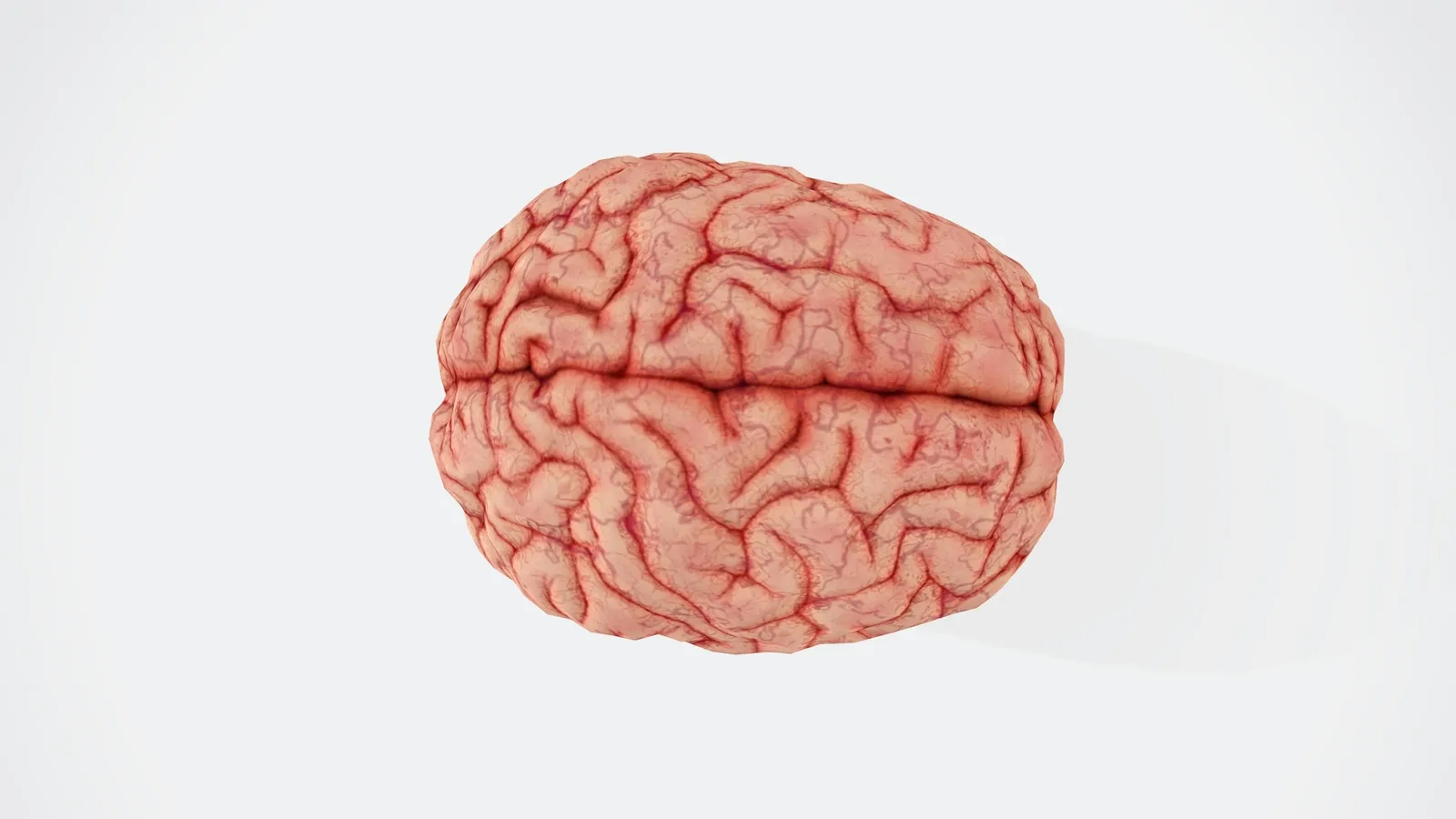
According to NCERT, the cerebrum forms the major part of the human brain. It is split into left and right cerebral hemispheres, joined by nerve fibres called the corpus callosum. Its outer layer, the cerebral cortex, holds motor areas, sensory areas and association areas responsible for "complex functions like intersensory associations, memory and communication". When you decide to raise your hand in class, that decision starts here.
The cerebral cortex makes up 82% of brain mass but holds only 19% of the brain's neurons, found neuroscientist Suzana Herculano-Houzel.
When it is damaged: a stroke happens when blood flow to part of the brain stops, and MedlinePlus notes that symptoms depend on which part is damaged, including weakness in the face, arm or leg (usually one side) and trouble speaking or understanding. When language areas are hurt, the result is aphasia, the loss of the ability to understand or express spoken or written language. To see how the two hemispheres share the work, read about Roger Sperry's split-brain experiments.
What does the cerebellum do?
The cerebellum sits at the back, under the cerebrum. NCERT says its very convoluted surface provides "additional space for many more neurons", and that it integrates information from the semicircular canals of the ear, which sense head movement. That is the link to balance.
The human cerebellum weighs about 154 g yet contains 69 billion of the brain's 86 billion neurons, according to the same Herculano-Houzel paper. That is about four in five neurons in roughly a tenth of the brain's weight.
When it is damaged: MedlinePlus defines acute cerebellar ataxia as "the sudden inability to coordinate muscle movement due to disease or injury to the cerebellum". People may walk unsteadily and fall, speak clumsily (dysarthria) and have repetitive eye movements (nystagmus). Causes include viral infections such as chickenpox, bleeding, stroke and head injury. Notice what is missing: the person still decides to walk; the movement just comes out uncoordinated.
What does the medulla oblongata do?
The medulla is the lowest part of the brain and connects to the spinal cord. The NCERT line to learn word for word: it "contains centres which control respiration, cardiovascular reflexes and gastric secretions". With the pons and midbrain, it forms the brain stem. You never decide to keep breathing while you sleep; the medulla handles it.
When it is damaged: lateral medullary syndrome (Wallenberg's syndrome) is caused by a stroke in the brainstem, often after a blockage of the vertebral artery, says NINDS. Symptoms include difficulty swallowing, hoarseness, dizziness, nausea and vomiting, and jerky eye movements; some patients need a feeding tube. Because NCERT places the respiration centres in the medulla, exam questions about breathing point here.
How do you work out which part is damaged in an exam question?
Run any symptom through three checks, in order:
Can the person not do it at all, such as choose, remember or find a word? Think cerebrum.
Does the movement start but come out shaky, off-target or unbalanced? Think cerebellum.
Is it automatic life support, such as breathing, heart rate or swallowing? Think medulla.
Worked example: "After a fall, a man can say exactly what he wants to do, but he staggers and misses the cup when he reaches for it." His thinking and speech are fine, so step 1 rules out the cerebrum. The movement starts but misses, so step 2 gives the cerebellum. Breathing and swallowing are not mentioned, so it is not the medulla.
If you are unsure where these parts sit, the Fermi Concept Library gives each biology concept its own lesson and its place in the map. For practice, the Fermi Problem Library has worked problems with a step-by-step solver that explains the reasoning rather than printing an answer.
Next, compare fast nerve signals with slow chemical ones in nervous control vs hormonal control, or follow a reflex arc in why we sneeze when dust enters the nose.


