On this page
Anthropology studies humans both as biological creatures and as members of societies, past and present. The career scope after a degree in it depends mostly on one thing: whether you are ready to study beyond the bachelor's.
What do you study in a BA anthropology course?
Delhi University's honours syllabus divides the subject into three branches: biological anthropology, social/cultural anthropology and pre-historical archaeology (University of Delhi, BSc (Hons) Anthropology syllabus%20Anthropology.pdf)). Its semester list shows what each branch covers in practice:
Biological (physical) anthropology: human origin and evolution, human growth and development, human population genetics, forensic anthropology.
Social-cultural anthropology: theories of culture and society, tribes and peasants in India, research methods, plus electives on kinship, religion and politics.
Archaeological anthropology: prehistoric stone tools, plus an Indian archaeology elective.
The same syllabus says the course gives first-hand understanding through fieldwork and expects graduates to write an ethnographic report from their own fieldwork. So expect to interview people, collect data and write reports, not just memorise. It suits you if you enjoyed evolution and genetics in Class 12 biology and also wonder why families and communities work the way they do.
Where do anthropology graduates work in India?
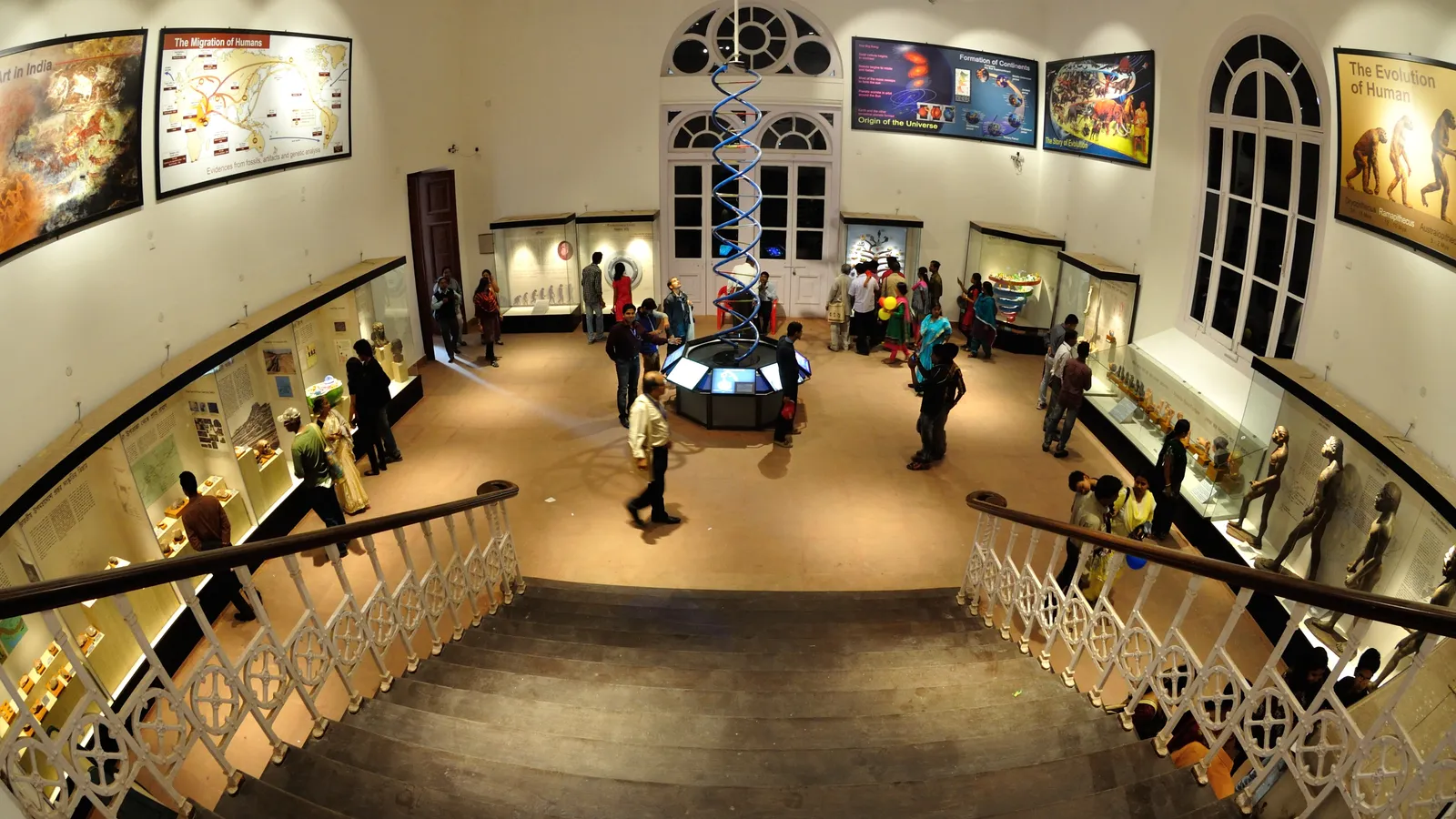
The central government's specialist anthropology body is the Anthropological Survey of India (AnSI). It was established on 1 December 1945, has its headquarters in Kolkata and runs under the Ministry of Culture (AnSI, About). It studies the tribes and other communities of India through physical, socio-cultural and linguistic anthropology, and it maintains anthropological museums.
A BA alone will not qualify you for AnSI's Anthropologist posts. In UPSC Advertisement No. 01/2026, those posts required a Master's degree in Anthropology plus three years of research experience, at Level 10 of the pay matrix (UPSC Advertisement 01/2026). That advertisement had one vacancy in each of the Cultural and Physical Anthropology divisions, so treat the BA as a first step.
Other routes graduates take:
Research and teaching: a master's degree, then a PhD, for posts at universities and research institutes.
NGOs and development work: community surveys and tribal welfare programmes need the fieldwork skills the degree trains. Compare it with our guide to BSW, fieldwork and the jobs social work leads to.
Museums and heritage: AnSI's own museums are one example of this work.
UX and market research: companies study how people use products in their real lives. The Nielsen Norman Group defines a field study as research in the user's natural environment and describes ethnography as complete immersion in a group's natural setting for a sustained period (NN/g, Field Studies). That is close to the fieldwork anthropology students practise, though you will still need a portfolio of real studies to get hired.
For parents: anthropology pays off best for a student who enjoys fieldwork and will do a master's, not as a quick route to a job after the BA.
Is anthropology a good UPSC optional?
Anthropology is on the list of optional subjects for the Civil Services (Main) Examination 2026 (UPSC Examination Notice 05/2026-CSE). The optional has two papers of 250 marks each, which makes 500 of the 1,750 written marks that count towards merit. Three years of the subject is a head start, but no optional is a safe bet: pick one you will enjoy revising for years. If your family is weighing this path, read our guide to planning time, money and attempts for UPSC after graduation first.
How can you test your interest before choosing?
You can run this four-week test in Class 11 or 12 without spending any money.
Week 1: read a real syllabus. Open one university's semester list, such as Delhi University's above. Mark each paper as "excited", "fine" or "dread".
Week 2: do a mini fieldwork project. Interview two older relatives about how a wedding or festival worked when they were young. Write one page comparing their answers. Did you enjoy the listening and noticing, or only the finished page?
Week 3: visit a museum with a human evolution, archaeology or tribal-cultures gallery and write down three questions it raised.
Week 4: talk to someone in the field, such as an MA student or an NGO researcher. Ask what a typical week looks like and how they found their first paid work. Our guide on how to talk to working professionals about careers has more questions you can use.
If you marked the evolution and genetics papers as "dread" in Week 1, try a few lessons before you decide. The Fermi Concept Library covers every concept in biology, and each one has its own lesson, so you can tell whether the topic itself puts you off or just the unfamiliar terms.
How to score it: if you finished Weeks 2 and 4 wanting more, put anthropology on your shortlist. If you only liked the idea, look again at sociology, psychology or biology.