On this page
Class 11 is when the syllabus gets heavier and coaching often begins, so volunteering can feel like one more thing you have no time for. It does not have to be big. The most useful volunteering for a teenager is usually close to home, happens at the same time every week, and uses something you already know, such as reading, maths or patience with small children.
What volunteering can a high school student do in India?
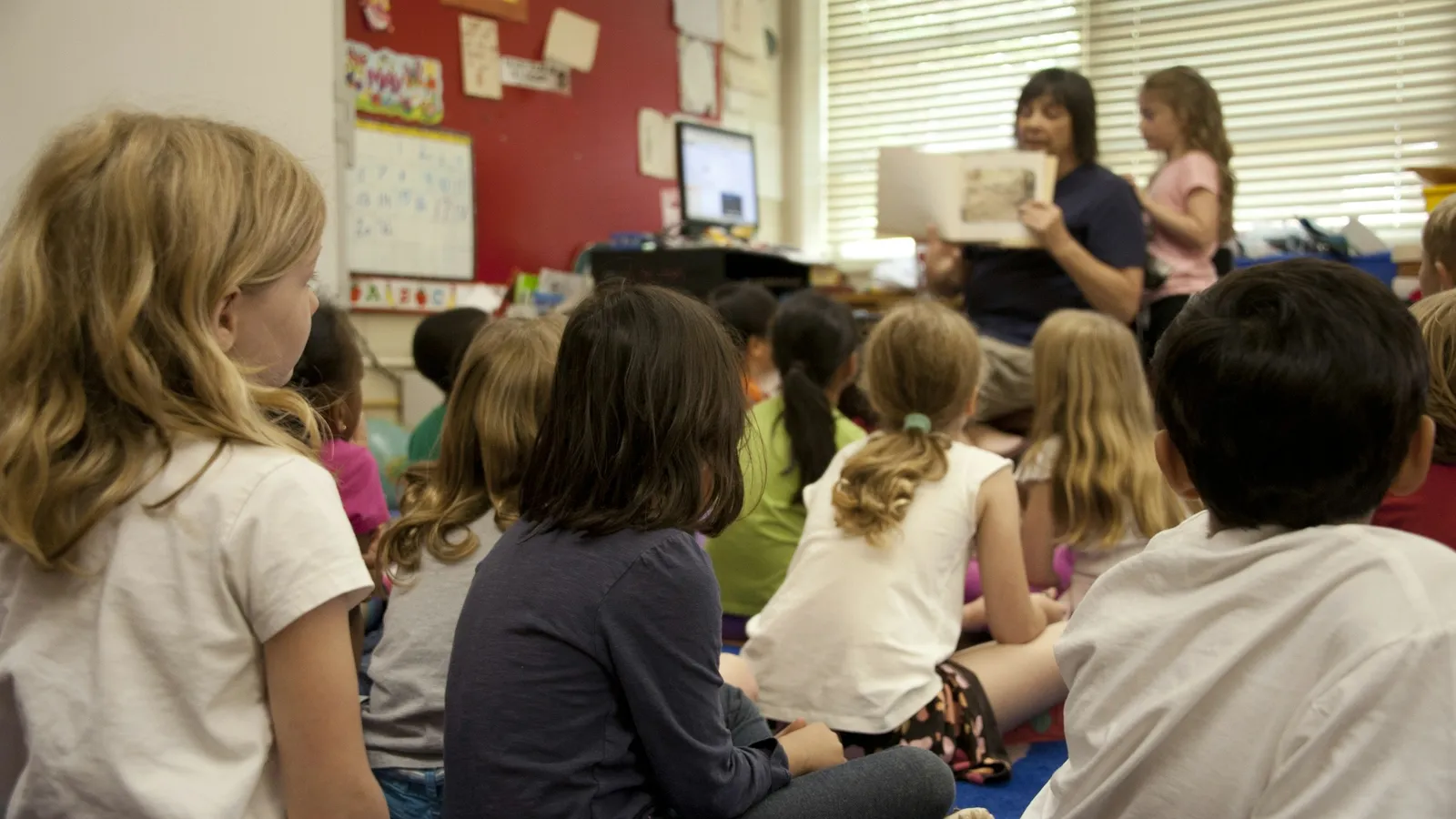
Tutor younger children in reading or maths. The ASER 2024 national findings report that only 23.4% of Std III children in rural government schools could read a Std II level text, and only 33.7% of all rural Std III children could do a two-digit subtraction with borrowing. Reading aloud with a Class 2 child is help a Class 11 student can give well. See what teenagers learn by tutoring younger kids.
Help at a library. School and public libraries often need help shelving books, covering torn ones, or running a reading hour for younger pupils. Our post on why school libraries sit unused has ideas for getting children borrowing.
Join your school's NSS unit. The National Service Scheme, run by the Ministry of Youth Affairs and Sports, has included +2 level students since 1994, according to an Assam government summary of NSS. It asks for 120 hours a year for two consecutive years, plus one seven-day camp held in the vacation. Not every school has a unit, so ask your class teacher.
Volunteer online in your own language. Improving Wikipedia articles in Hindi, Tamil or another Indian language is public service you can do at home. See how students can edit Wikipedia.
Help neighbours with everyday tech. Older neighbours in your building or colony may want help with video calls or booking appointments.
Join a registered local group. Clean-up drives, animal shelters and food banks run by a known organisation give you a coordinator and a clear task.
How much time should a Class 11 student give to volunteering?
Less than you might think. A randomised trial published in JAMA Pediatrics assigned 106 Grade 10 students at one Canadian high school either to volunteer in after-school programmes for younger children, 1 to 1.5 hours a week for 10 weeks, or to a wait-list. Compared with the wait-list group, the volunteers ended with lower interleukin 6, cholesterol and body mass index. It was one small study, so read it as a sign that a short weekly commitment can matter, not as a health promise.
NSS asks for more: 120 hours a year works out to roughly two and a half hours a week if you spread it across most of the year.
How do you choose volunteering that fits around Class 11 study?
Run each option through four questions:
Is it within about 20 minutes of home or school?
Is it the same day and time every week?
Is there an adult in charge, such as a teacher or librarian, who expects you?
Can you pause it for unit tests and annual exams?
If an option fails two of these, drop it.
A worked example: a PCM student has coaching on Tuesday, Thursday and Saturday evenings, so weekday evenings are full. Sunday 10 to 11:30 am is free. The student offers a reading hour for Class 2 and 3 children at a nearby public library, every Sunday except the two weeks before the annual exams. That is 90 minutes a week, within the range the JAMA Pediatrics trial used.
Teaching a child also shows you what you only half understand. If a question about fractions or photosynthesis catches you out, the Fermi Concept Library has every concept in physics, chemistry, biology, mathematics and computing, each with its own lesson, so you can check the idea before next Sunday.
What should you say when you ask to volunteer?
Keep it short and specific. Ask in person if you can, and bring a parent the first time.
"Namaste, I am in Class 11 at (school name). I would like to volunteer for one fixed slot a week, Sunday from 10 to 11:30."
"I could run a reading hour or help repair books. Which would help more?"
"I will have exams in (month) and would need two weeks off then. Is that all right?"
"Who should I report to, and who do I message if I cannot come?"
If the week starts to feel too full, cut the slot before cutting sleep, and talk to a teacher or school counsellor. If stress is affecting mood or sleep, Tele MANAS is the government's free, 24/7 mental health helpline on 14416.
Start with one slot this month, keep it for ten weeks, then decide whether to continue.