On this page
"You only care about my marks." It hurts, and the reflex is to defend yourself. The sentence is rarely a verdict on how much you love your child. It is a report on what they hear from you, week after week, and that is something you can check and change.
The pressure is real. In NCERT's 2022 survey of 3.79 lakh school students, 81% said studies, exams and results cause anxiety. If home conversations are also mostly about marks, your child gets little time off from the subject.
Why does my teenager say I only care about marks?
Teens notice proportions: the first question when they walk in, what you say when a result arrives, what you never ask about.
That proportion matters. In a 2017 study of 506 middle school students by Lucia Ciciolla, Suniya Luthar and colleagues, children who saw their parents as strongly emphasising achievement over kindness and helping others had more psychological symptoms, lower self-esteem and lower grades. Children who saw low to neutral emphasis on achievement did better at school. Problems were higher still when a mother's strong emphasis on achievement came with high perceived criticism. The students were from an affluent US community.
In Avi Assor, Guy Roth and Edward Deci's 2004 studies of "conditional regard", college students who felt their parents' approval depended on things like academic success reported more inner compulsion, more resentment towards their parents and bigger swings in self-esteem.
What should you check in your own weekly conversations?
Before you reply, spend one week counting. Keep a note on your phone and tally:
The first question you ask after school or coaching. Is it about a test, homework or rank?
What you say first when a mark comes in: the score, or how the paper felt?
Comparisons with a cousin, classmate or neighbour's child, even friendly ones.
Calls with relatives where your child's marks come up within earshot.
Real conversations where school never came up.
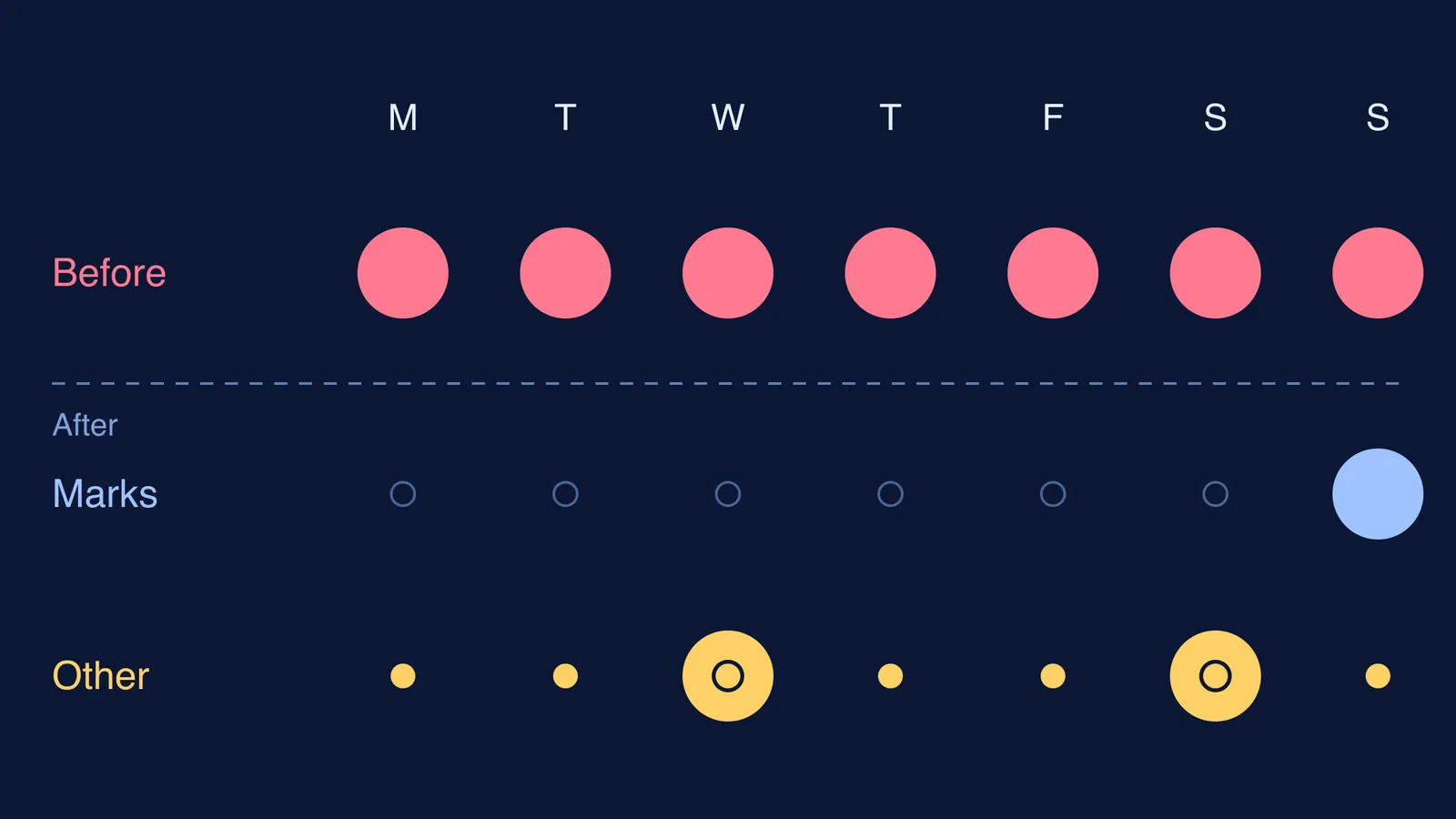
For example, a parent finds that 11 conversations that week opened with a school question and two did not, and both of those were brief. The complaint is roughly accurate, even though the parent cares about much more.
Not all school talk is the problem. A meta-analysis of 50 studies by Nancy Hill and Diana Tyson found that "academic socialization" had the strongest positive link with achievement in middle school. They describe it as talking about why education matters, building aspirations, discussing learning strategies and planning for the future. Homework help was the one type of involvement not consistently linked to achievement. So trade daily checking for fewer, bigger conversations.
What should you say when your teen says it?
Don't argue the point. Try this sequence, in your own words:
Acknowledge: "That's a big thing to say. I want to understand it."
Own the fair part: "I do ask about tests a lot. I can see why it sounds like that's all I care about."
Ask for specifics: "When did you feel it most this week?" Then listen without correcting.
Say what you value: "I care how you're doing, who your friends are, what makes you laugh. Marks are one part of that."
Commit to one change: "I'll stop asking about marks the minute you walk in."
Then keep that promise for a full month.
Three non-academic check-ins to add
Keep each one short, and never use it as a route back to marks.
High and low (daily, at dinner). Everyone, parents included, shares the best and worst part of their day. School can come up, but nobody asks about it.
Show me (once a week). Ask your teen to show you something they're into: a song, a game, a cricket clip. Be curious, not critical.
Walk and talk (once a week). A short walk or drive, side by side, with one open question: "What's on your mind lately?" Our guide on why teens open up late at night, and what to say has more on catching those moments.
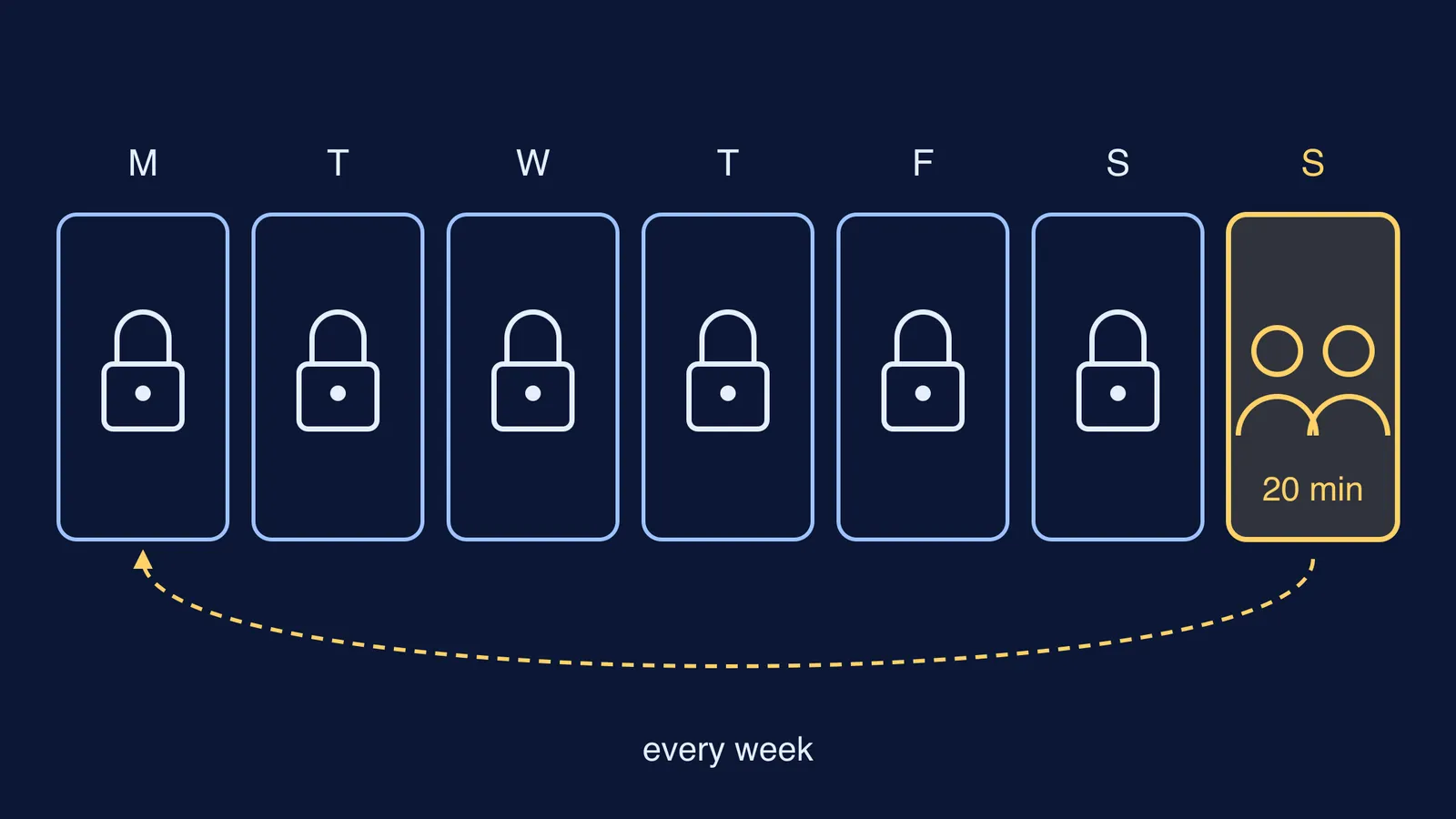
Keep one study conversation a week, led by your teen: what went well, what's stuck, what they need. If "what do I study next?" fills that time, Fermi's AI tutor can work out what your teen already knows and build a plan for the session.
If your child studies mainly to keep you happy, read how to hand over choice. If they blame you for a poor result, start with finding the fair part when a teen blames you for low marks.
When is it more than a complaint?
If the complaint comes with poor sleep, pulling away from friends, feeling worthless or talking about not wanting to be here, a better conversation is not enough. Speak to the school counsellor or a doctor. Tele MANAS is the government's free, 24x7 mental health helpline, at 14416 or 1800-891-4416, in around 20 languages. Parents can call too.